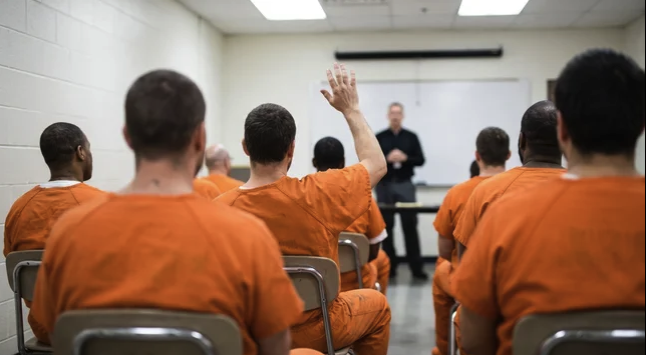
In Utah, it has been commonplace to think that “locking them up and throwing away the key” is the easiest solution to deal with those who commit crimes.
This approach has immense consequences not only for the individuals exiting the criminal justice system but also for communities in which these individuals must re-enter. By not tackling recidivism, the chance for repeat crime increases and community safety drops.
Thankfully, this narrative is changing for Utah’s lawmakers.
The state has pivoted away from this way of thinking in the past decade, instead choosing to focus on smart criminal justice reforms that save taxpayer dollars.
This legislative session lawmakers chose to drastically improve the state’s criminal justice system. They worked to transform the traditional probation system to make communities safer by keeping more folks from incarceration
Lawmakers were able to do so by passing House Bill 412, sponsored by Representative Karianne Lisonbee. This piece of legislation rewards keeping those on parole out of prison.
HB 412 would address the failures of traditional probation with a focused approach that’s worked for centuries: money.
Specifically, this bill creates the Adult Probation and Parole Employment Incentive Program. This program will distribute a $2,500 incentive payment for each additionally employed parolee above the baseline employment rate. Additionally, $2,500 will be awarded to The Department of Corrections and to adult probation and parole regions per person who completes probation or parole and has held a job for six months before completion.
If recidivism rises in a region, then no employment incentive payments are authorized for that region.
As this incentive would create a desire to rapidly decrease recidivism and rapidly increase public safety in communities, we applaud its passing.