
Do you spend time shopping for your child’s education?
Google how long the average American spends shopping for a car: over 14 hours. Google how long they spend shopping for a house: 124 hours. Now, Google how long the average American spends deciding where their children should attend elementary or high school.
I spent thirty minutes trying different variations of that question and couldn’t find a single answer.
What Do You Value in Education?
All families value education and learning, but what they value in education varies drastically from family to family. Some families value strong academic performance, while others value character education. Some need a school that is five days a week, while other families only need one or two classes from the school.
With the vast number of values in education, why do most parents just send their children to the local public school? For some students and parents, it may be the right fit. But looking at academic outcomes, rising behavioral issues, bullying, and declining parent satisfaction, it is clear that public schooling isn’t the right fit for every student.
Consider this. Utah’s compulsory education laws require 180 days of school for a minimum of 990 hours each year. That is a huge chunk of a kid’s childhood.
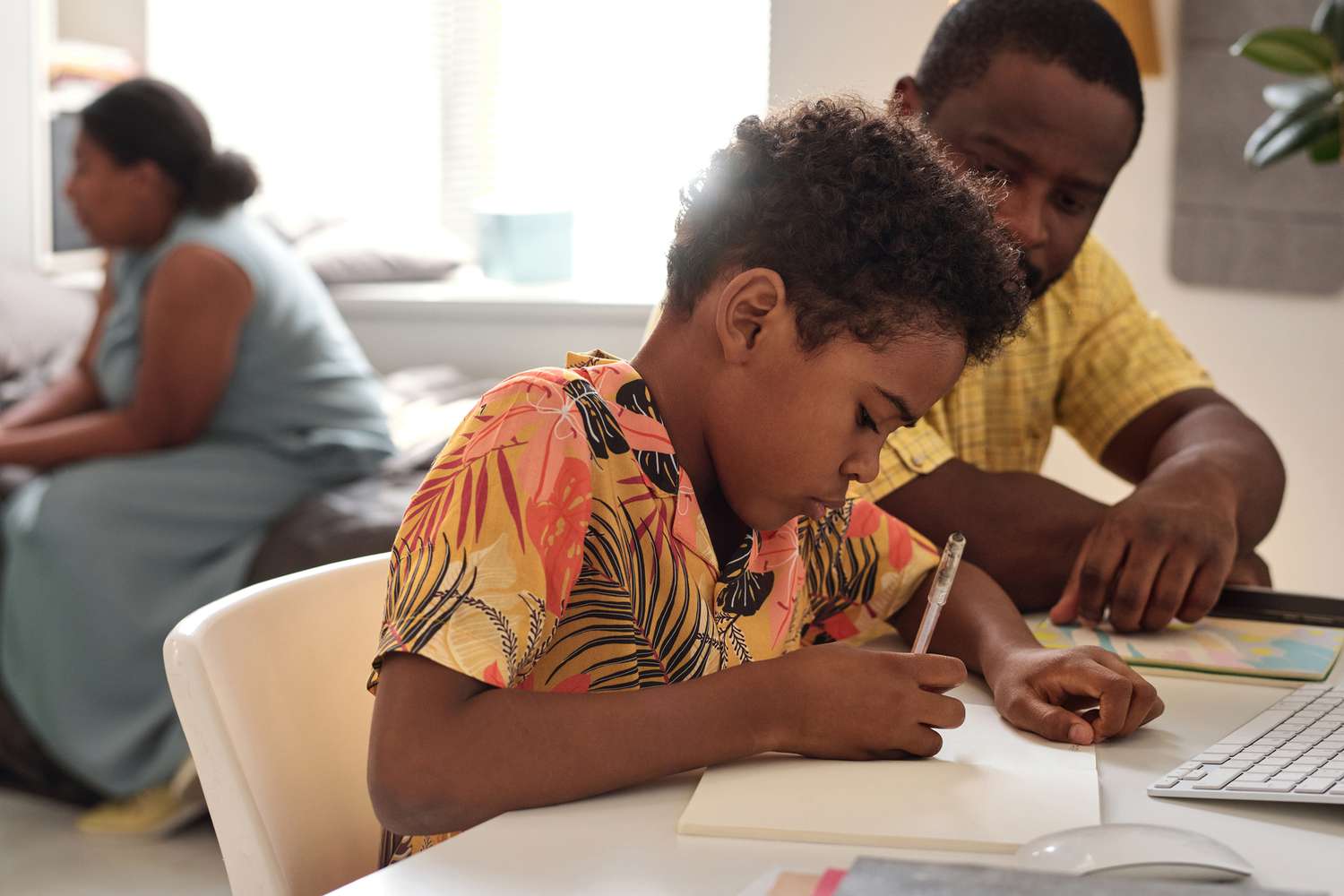
So, spend some time thinking about what you value in education. Spend time finding alternative options around you. Spend a day in your child’s classroom.
Here are some options you may want to consider as you shop for the best education for your child.
- Partial enrollment in public school — Only take the courses that you want for your child
- Charter schools — A tax-funded alternative to traditional public schools
- Microschools — Low-cost private schools with a small student body
- Online schools — This allows you to take your learning on the road. No more waiting to take a vacation. Go when you want.
- Homeschooling and homeschool co-ops — The number of homeschooled students has grown since the pandemic. If you ask around in your neighborhood, I bet you have a few families that are doing it.
- Unschool — Allow children to learn in as natural a setting as possible. Capitalize on what they value and find interesting. Offer a variety of learning opportunities, but let them choose not to participate.
There are many other options out there.
One Size Doesn’t Fit All
Every child’s education should match the greatness and potential their parents see in them. But finding that education will take work. Parents are intentional about so many aspects of their child’s life: eating habits, friends, extracurricular activities, and more. Parents should be just as intentional with their child’s education. Shop accordingly.