
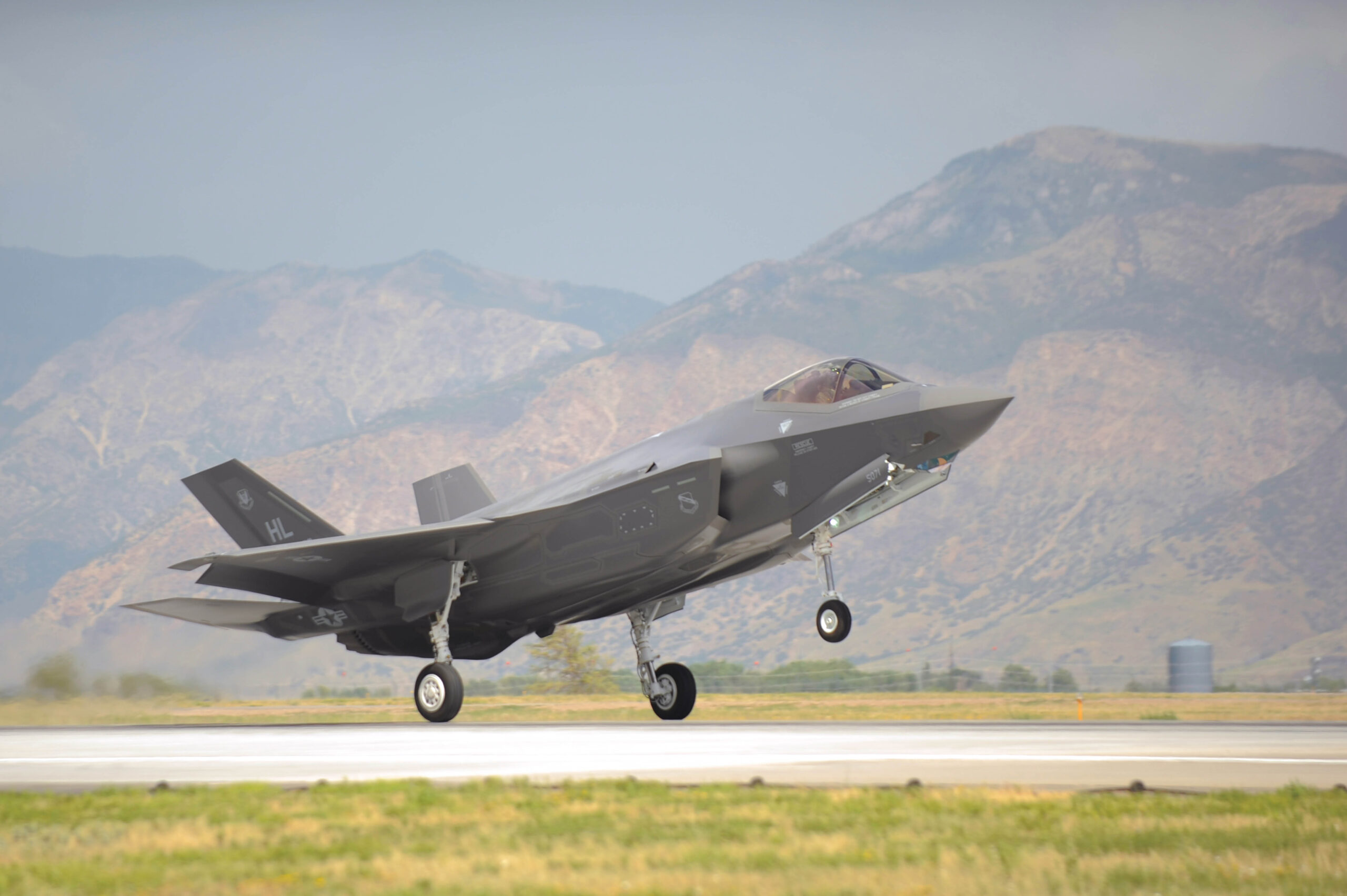
Nearly one-fifth of Utah’s economy, amounting to more than $100 billion annually and over 500,000 high-skill jobs, now stems from aerospace, defense, and space technology. A key driver of this rise is Utah’s decades-long commitment to a pro-innovation climate that encourages collaboration between industry, educators, and policymakers.
What began as a regional sustainment hub has evolved into one of America’s leading centers for advanced manufacturing, software, and cyber innovation. The state’s 13 military installations, anchored by Hill Air Force Base, one of Utah’s largest employers and a cornerstone of the Air Force’s modernization mission, form the backbone of this ecosystem. Hill Air Force Base alone contributes roughly $11 billion a year to the state economy, while Salt Lake City International Airport, Delta’s fastest-growing U.S. hub, connects Utah’s aerospace network to global markets.
Organizations like 47G carry this collaborative spirit forward, linking more than 180 companies to accelerate progress in autonomy, propulsion, and cybersecurity. Through a unified, ecosystem-driven approach, Utah’s contractors, universities, and startups are rowing in the same direction instead of working in silos.
Utah’s natural and structural advantages also set it apart. The Utah Test and Training Range offers unmatched airspace and terrain for testing rockets, drones, and next-gen aircraft. The state sits on a deep supply of critical minerals essential for jet engines, batteries, and national defense. And Utah’s young, STEM-strong workforce gives employers the talent they need to build here rather than elsewhere. More than 32,000 Utahns already work directly in aerospace and defense, with programs like Talent Ready Utah ensuring that pipeline continues to grow.
The future is arriving fast. Electric aircraft company Beta Technologies chose Utah as a key partner in advanced air mobility, with air taxis and drone logistics already being tested. Major defense investments, from Northrop Grumman’s GBSD infrastructure to American Pacific’s $100 million expansion, are creating thousands of high-paying jobs and strengthening supply chains. It’s no surprise many now call Utah “America’s Deep Tech Frontier.”
But the biggest threat to this trajectory is government interference. Utah’s success has come from a light regulatory touch, competitive taxes, and a willingness to let innovators build. Lawmakers must avoid corporate welfare, overregulation, and permitting bottlenecks that would slow momentum. At the federal level, recent reforms aimed at streamlining defense procurement are helping startups transition from prototype to contract more quickly. This is a trend Washington must continue if America wants to stay ahead of its adversaries.
Utah has the assets, the talent, and the economic momentum to lead the next era of American aerospace. We just need to protect the competitive, free-market environment that got us here. If Utah keeps the runway clear, its aerospace industry will continue to soar, strengthening the economy, securing the nation, and inspiring the world.