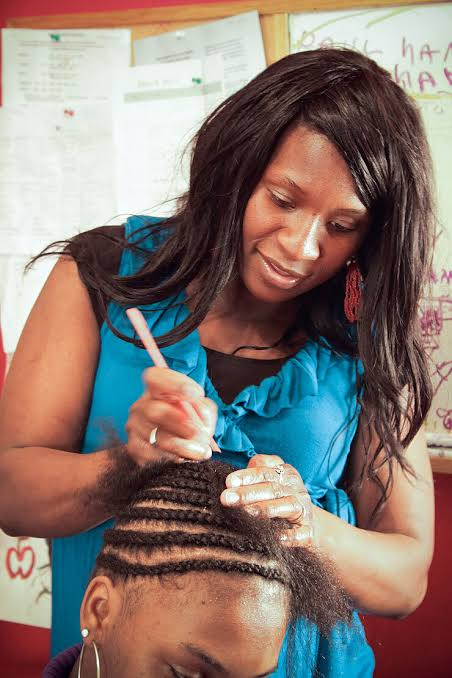
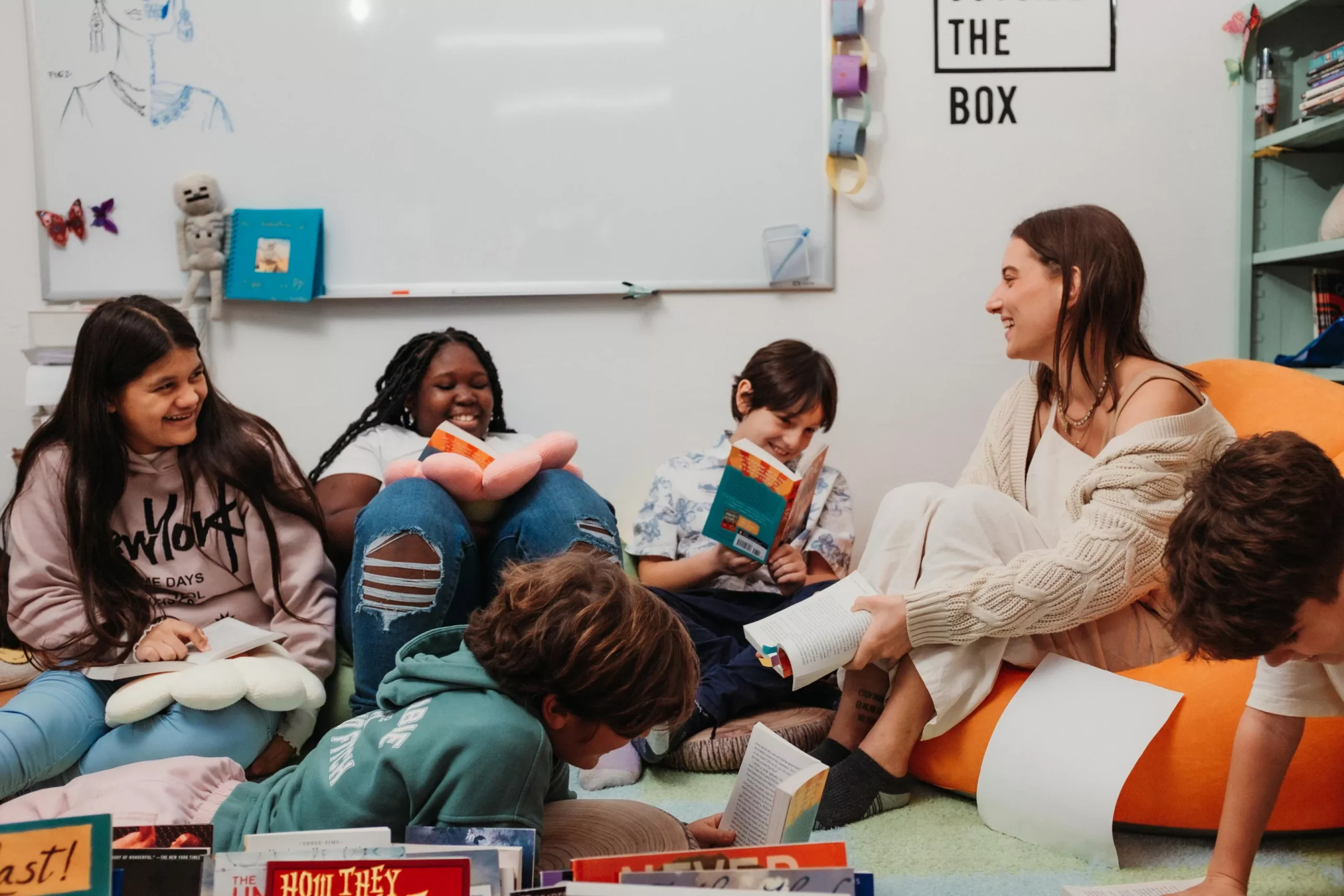
Few political issues enjoy support from both Republicans and Democrats. Microschools are one of them. These small community schools typically serve about 25 students. Think private school, but with a single classroom.
A recent poll found that 75% of Americans would support the opening of a microschool in their neighborhood. And support crosses party lines: 80% of Republicans, 70% of Democrats, and 76% of Independents said they would support such a school. In politics, you don’t find many sure bets. This is one of them.
Yet, despite this broad support, many neighborhood schools cannot open due to restrictive city and state zoning and building codes. Utah stands out as an exception, passing a law that allows these schools in every zone. But in most states, these schools are still blocked. One microschool founder was even told that these types of schools “simply aren’t allowed” in their city.
Lawmakers in other states should follow Utah’s lead and remove the barriers that prevent teachers and families from starting small, local schools. With three out of four Americans supporting this reform, it’s an easy win. Expanding access to these neighborhood schools is both popular and practical.
State leaders have a rare opportunity to act on an issue with overwhelming bipartisan support and give families more freedom to choose the education that best suits them.