Utahns are getting mixed signals about the state’s criminal justice system. Right now, taxpayers are left not knowing what, or who, to believe. Depending on who’s talking, we’re either in the middle of a crime wave or watching incarceration rates drop.
So which is it? And what needs to be done? Here’s what we know.
The legislature seems worried about crime being too high. And this seems to be the story the legislature is being told. In an interim committee session hearing this August, Department of Corrections Officials stated that given current trends, a mothballed prison will likely have to be re-opened soon to account for growing numbers of inmates.
So based on that, it appears crime rates are going up…? Maybe not.
At the same time, lawmakers have passed 165 bills to increase criminal penalties, presumably in an effort to be “tough on crime.” These increased penalties could be inflating data, forcing more offenses to require prison time.
While the Department of Corrections stresses a probable need for prison expansion, data gathered from the Crime and Justice Institute tells the opposite story. These numbers show over the last ten years prison populations in Utah have decreased by 10%. That’s right, fewer people behind bars, not more. And the number of inmates classified as “violent criminals” increased by 46%.
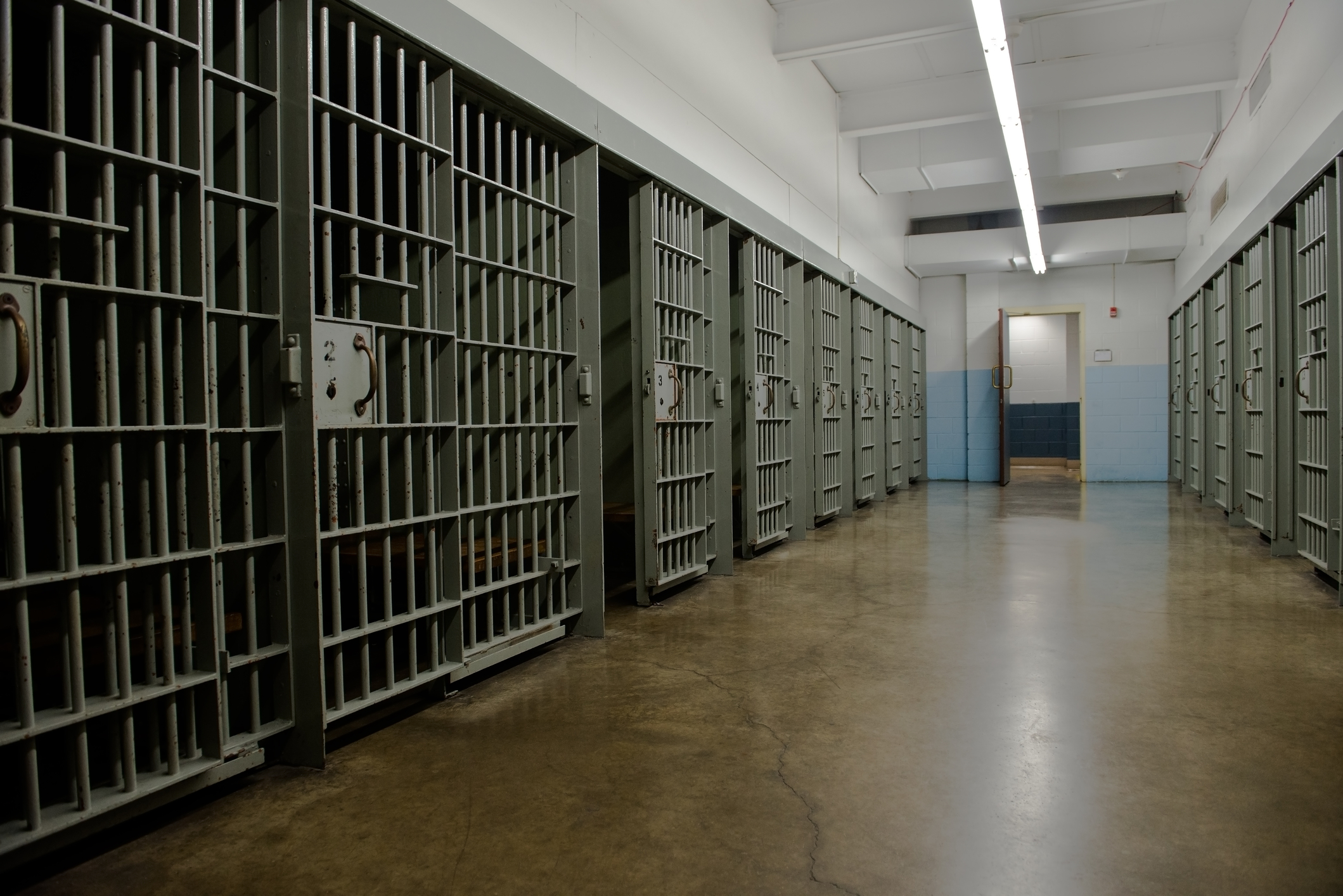
In the August committee hearing, the department also stated that approximately 60%-65% of released inmates return to prison within 3 years, mostly due to technical violations. When the cost of housing an inmate in a correctional facility is over $150 per day, that’s an expensive solution to a self-imposed problem.
Here’s the million-dollar question: Are violent crimes increasing, or are we just labeling more crimes as “violent”? Why should Utah taxpayers pay to open new prisons if there is not a true influx of prisoners? Things don’t add up.
To address this confusion, Governor Cox established a criminal justice task force earlier this year made up of department heads and members of the legislature. Their goal? To analyze this mess of data and examine the effectiveness of the current approach. Utahns deserve a criminal justice policy that improves public safety. Law enforcement and the legislature must work together to find effective solutions.
At Libertas Institute we believe that these solutions shouldn’t always mean more jail-time. For non-violent offenders jail-time doesn’t always solve the issue long-term, but can actually increase the likelihood of repeat offenses. For those driven by addiction or mental illness, treatment options, like those encouraged by H.B. 199, is what stops the cycle, not recurring prison sentences. We also support the expansion of technology, such as ankle monitors for parolees which average about $15 per day, a tenth of the cost of another day in prison.
Before spending taxpayer money to reopen prisons or pass more bills increasing criminal penalties, we need honest data and transparent answers. Then we can build a plan that is not just tough, but smart on crime, focusing on effective solutions to fix real problems.