While I was prosecuting in Utah, representatives from The Other Side Academy came to present at an office meeting. They were recruiting prosecutors to refer defendants as an alternative to jail. I was intrigued, but my caseload was mostly special victims, and sex offenders didn’t qualify. I filed them away and moved on.
What I missed was how much potential those programs held for the vast majority of people who do qualify.
Therapeutic communities (TCs) like The Other Side Academy and John Volken Academy accept people with addiction, violent records, repeat felonies, and chronic criminal behavior of almost every kind, with the exception of sex offenders and arsonists. Some arrive because addiction drove them there; others were criminals long before picking up a substance. TCs address both groups by tapping into what most traditional programs never get to: who this person can actually become.
The Other Side Academy (TOSA) was designed to uncover that potential. Averaging 25 prior arrests, enrollees commit to thirty months in the program, twenty-four in residence and six transitional. There’s no charge to participants or taxpayers. The program takes no government funding, sustaining itself through private enterprises staffed by participants, including a 5-star rated moving and storage company, a thrift boutique, and a construction operation. Leadership comes entirely from graduates. John Volken Academy (JVA) runs a similar model at its North Salt Lake campus. Davis County Criminal Division Chief Ben Willoughby, whose office refers defendants directly to JVA, calls it “the best rehabilitative tool” he has seen in his 20 years prosecuting.
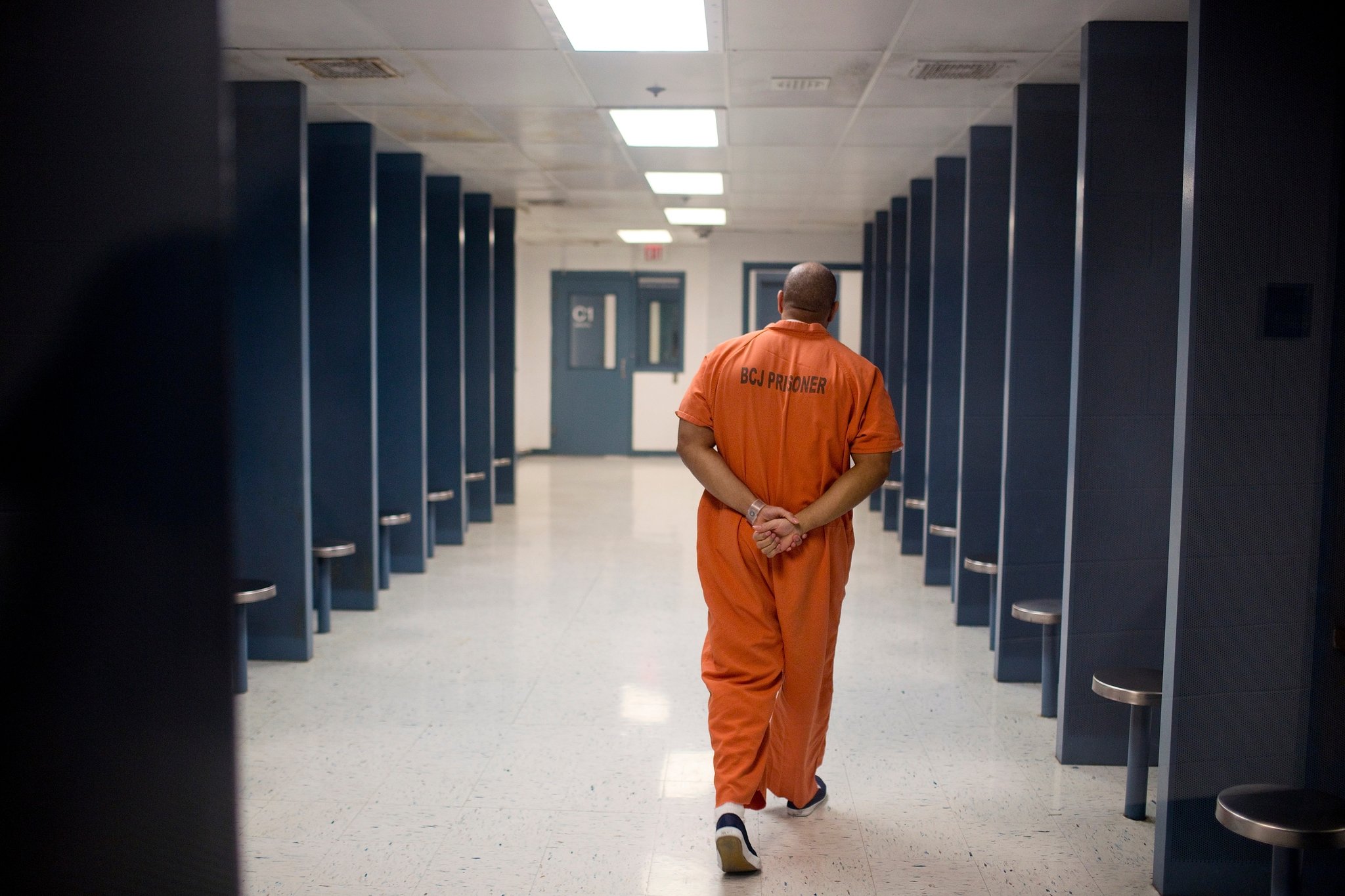
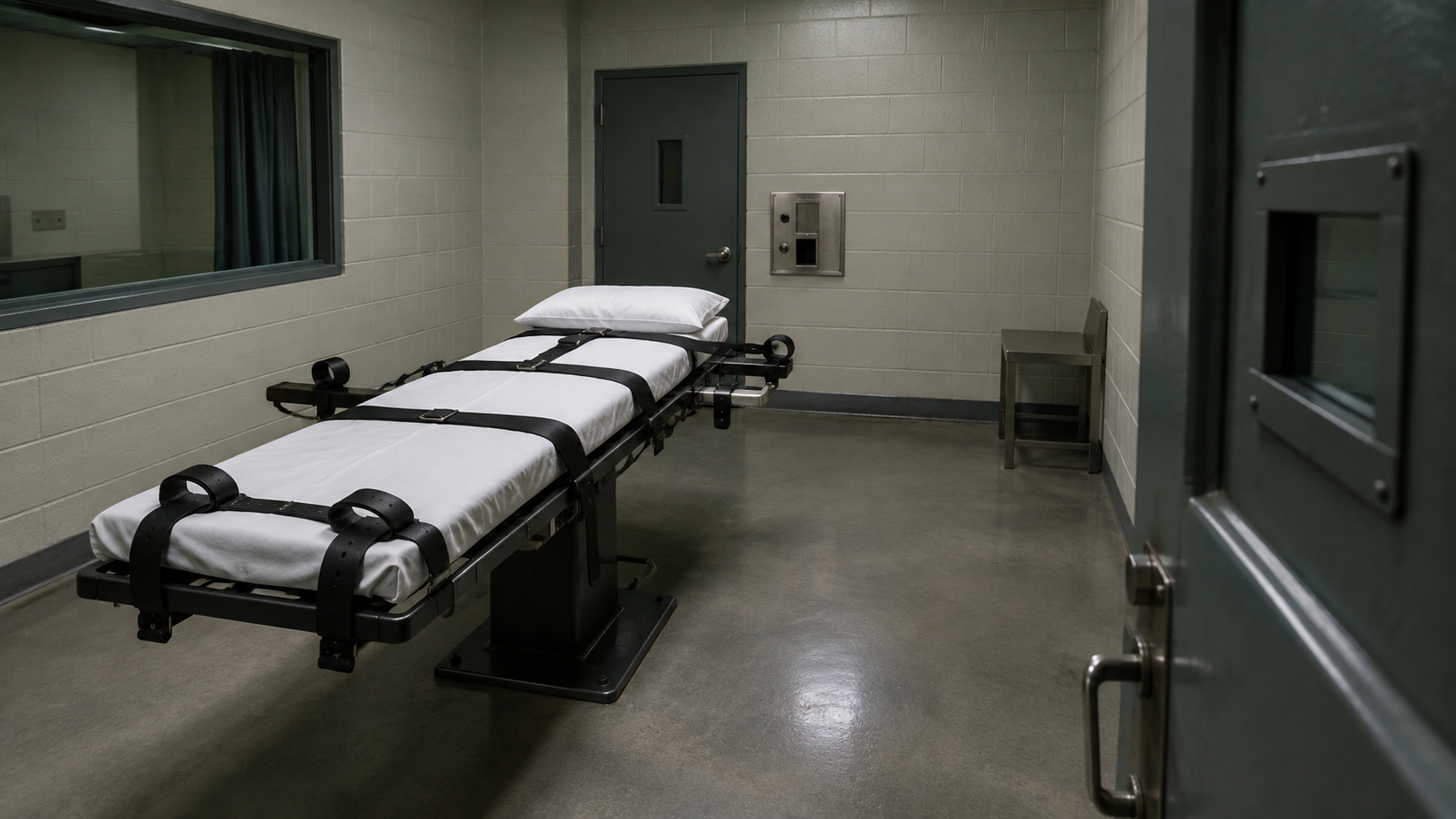
Both programs are accessible as a diversion from prison, with probation conditioned on completion. But for those already in prison, there’s no structured pathway to a TC until they parole. Once released with mandatory programming behind them, the incentive to voluntarily enter a thirty-month program with strict rules and heavily restricted freedom is low.
I sat at a reentry fair at the Utah State Prison recently. Multiple men walked past the JVA table and said the same thing: “Yeah, I don’t have to do that.” They were right. After years of mandatory programming, nothing in the system was incentivizing them to stop and voluntarily enter an even stricter one. Once their sentence is served, parolees are often ordered to complete a 30- to 90-day clinical treatment program before terminating supervision within 12 to 18 months. Getting clean and getting a job is a start. But changing who someone is takes longer than the current system allows. The potential was right there, and they walked past it.
While 3,100 people were released on parole last year, nearly 2,000 individuals returned to prison on parole revocations, only 400 of which were for new crimes. Utah’s official recidivism rate is about 18 percent, but that figure counts only people returned to prison on a new conviction within three years. It doesn’t count the 1,600-plus who cycled back last year on technical violations. The existing system looks cleaner on paper than it performs in practice.
By comparison, nearly 70 percent of all TOSA graduates remain completely drug-free, crime-free, and employed—not merely avoiding reincarceration, but sustaining stable lives. Among those who stayed three or more years, that figure is 80 percent. Additionally, it’s estimated that TOSA saved Utah taxpayers more than $18 million in just their first five years of operations.
The current corrections system defaults to incarceration, followed by short-term clinical treatment programming as its evidence-based standard. Those programs have their place. But despite evidence of successful outcomes and available capacity, the therapeutic community model is largely underused as a corrections resource because the law allows no pathway for people already in prison to get there before their time expires. The programs exist and the potential is there. Libertas Institute is working to tap it.