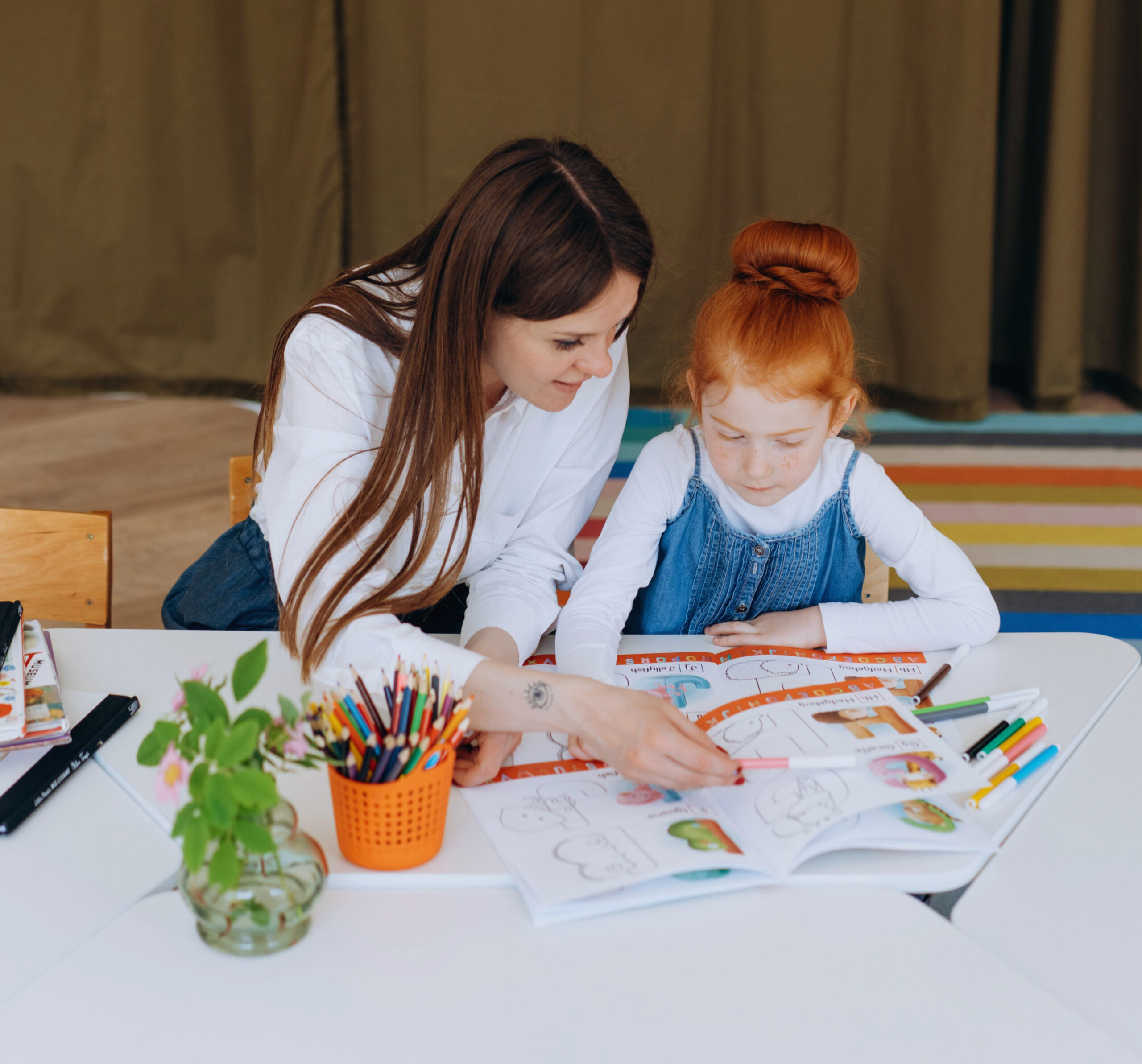
The Home School Picture
Your child comes home from school. It has been a hard day. Between the rumpled hair, disheveled appearance, and sad eyes, you get the picture. As a parent, what do you do? It hasn’t been working for a while. Public school doesn’t seem to be the best fit for your child.
Homeschooling, on the other hand, feels a little overwhelming. But you’re willing to do it for your children, of course. Then, to your surprise, the government of Utah decides to send some money your way to help with homeschooling expenses.
The financial support is greatly appreciated, but it also brings more questions than answers.
- What can I spend it on?
- Can I use all of it?
- What does the state of Utah intend it for?
- What counts as wasteful or extravagant spending?
- And what happens if a purchase is reported?
These questions are becoming increasingly important as Utah considers how to govern and shape one of the nation’s most ambitious educational-choice programs.
Utah Fits All
The Utah Fits All Scholarship (UFA) was created through HB 215 in 2023 and began operating during the 2024–25 school year. It is an education savings account-style program available to Utah K–12 students, including students receiving home-based education and students attending private schools. Scholarship support ranges from approximately $4,000 to $8,000 per student, depending on the student’s educational setting and age.
In the 2025–26 school year, the program served an estimated 14,522 students: 6,953 home-based students and 7,569 private-school students. Together, these students received approximately $94.7 million in state funding.
The scale of the program raises an important question: What does educational freedom look like when it is supported with public money?
Abuse and Accountability
Following reports from the Utah State Auditor concerning the program’s first year, questions have emerged about how scholarship funds are being spent. The audit identified examples of spending characterized as “wasteful and extravagant,” including expensive computers, bicycles, equipment, and other purchases that raised questions about whether scholarship funds were being used for genuinely educational purposes.
The issue, however, is more complicated than simply identifying inappropriate purchases.
What qualifies as education? That question becomes especially complicated in homeschooling because there isn’t necessarily a conventional school, teacher, curriculum, classroom, or standardized assessment against which the state can measure educational activity.
A bicycle might simply be a bicycle. But it could also be part of a student’s physical education program. A computer might be an extravagant purchase—or an essential tool for a student whose education is largely online. Once public money is involved, the question becomes even more difficult: Who gets to decide what is educational, and where should the line be drawn between reasonable educational freedom and wasteful spending?
The Legislative Review
Utah’s legislature has already begun responding to these questions. HB 467, sponsored by Representative Candice Pierucci, was the major 2026 legislation modifying the Utah Fits All program. Rather than simply expanding the program, the legislation began building a more structured system of governance around it. Among other changes, the legislation addressed requirements concerning private schools, tuition transparency, refunds, reporting, provider eligibility, and financial accountability.
The legislature’s attention to Utah Fits All is therefore shifting. The initial question was largely whether Utah should give families greater educational choice. Now, as the program grows, legislators face a different question: How can Utah protect educational freedom while ensuring that public funds are used responsibly?
What Does the Future Look Like?
Utah Fits All presents an unusual opportunity. It allows the state to support education without requiring every student to receive that education in the same place, from the same type of teacher, or through the same curriculum. For homeschool families in particular, that freedom can make educational opportunities possible that might otherwise be financially out of reach.
But freedom and accountability do not necessarily have to be opposing ideas.
The future of Utah Fits All will depend on how the state navigates the balance between educational freedom and public accountability. There is ongoing legislative attention to how the program operates, including through interim legislative work and reporting requirements. The Senate Education Committee has considered HB 467, and legislative materials show continued attention to the program’s administration and its interaction with other education programs. As Utah continues to review the program, the question is no longer simply whether families should have greater educational choice, but how that choice can be supported responsibly.
If Utah truly wants the program to fit all, it will need to ensure that accountability protects public resources without undermining the educational freedom the program was created to provide.