In The News
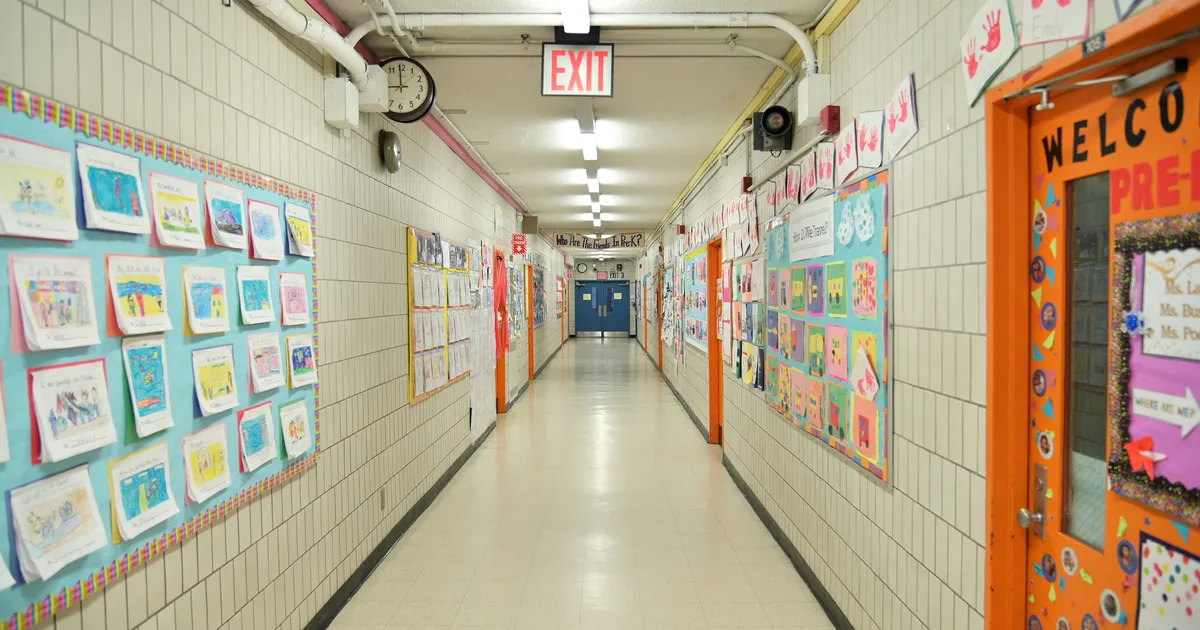
KSL recently reported that public schools have been losing students for three straight years. The usual explanation is falling birth rates, and that’s partly true. But only about a quarter of the decline can be blamed on demographics. The rest cannot be shrugged off so easily.
Here’s My Take
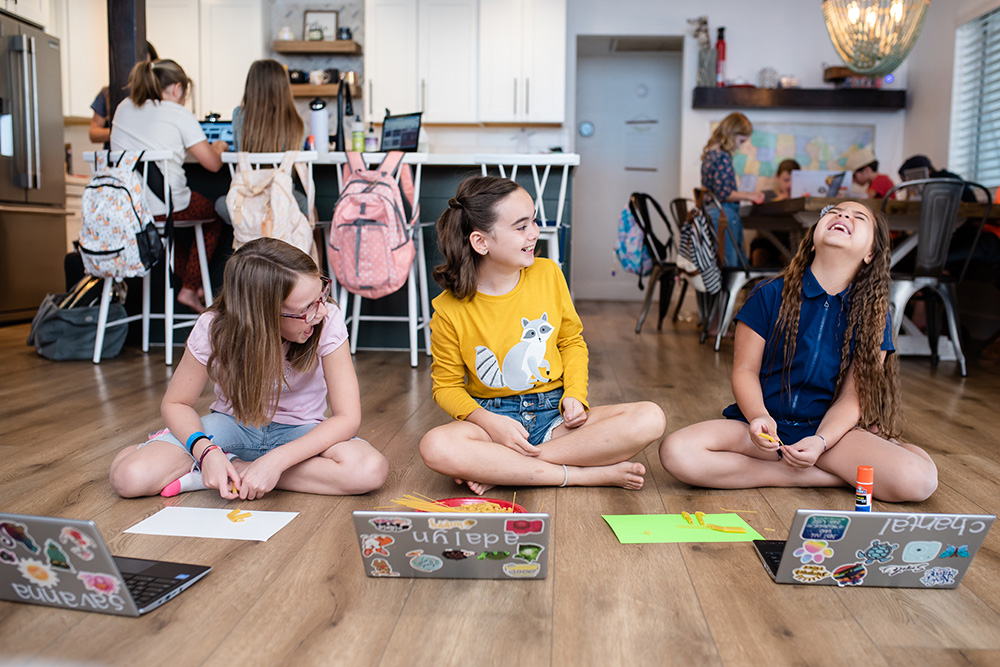
I spent years as a public school principal, and I understand why families are leaving. They’re not running from education itself. They’re choosing something that works better for their kids. In Utah, while public school enrollment shrank, charter schools, private schools, homeschools, and microschools all grew. Parents are demanding personalized learning. If public schools won’t provide it, they will find something that fits their child on their own.
Public education now faces something it long avoided when it comes to students: competition, a word that makes many people uncomfortable. I understand why. Schooling feels like a public good, not a marketplace. But when families have choices, schools are naturally pushed to listen, improve, and innovate. Ignoring that reality won’t make it go away. Public schools can adapt and thrive in this new environment or risk fading away.
Closing
Public schools were once the default. Today, they are one of many choices. If they want to stay relevant, they must rethink how they teach, how they treat parents, and what learning means in an age of personalization.
Otherwise, they risk experiencing the fate of Blockbuster and Radioshack, fondly remembered, but out of business.