
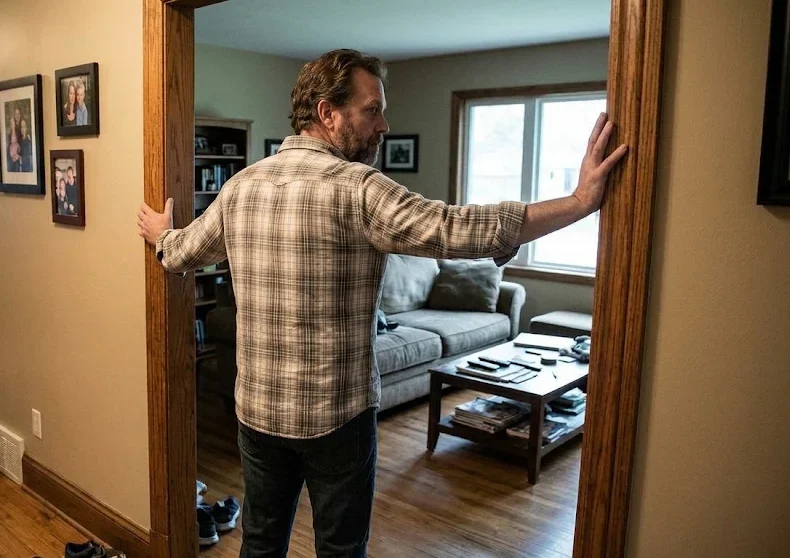
In September, a man in Northern Utah argued with the mother of his child. According to the charging document, she tried to leave the bedroom holding their 1-year-old son. He pushed her back into the room, and she fell and hit her head. Their son was left with a bruise on his forehead. He then blocked the doorway for several minutes until he calmed down.
Prosecutors charged him with first-degree aggravated kidnapping, along with misdemeanor charges, including assault and child abuse. If convicted of the kidnapping, he must go to prison, and the expected sentence is 15 years to life. That is the same sentence Utah sets for murder. It is a longer minimum than for rape or sexual abuse of a child
The case is pending, and the charges are only allegations. If they are proven, he should answer for what he did, including the harm to his son. Shoving and injuring a woman is a crime. So is keeping her in a room against her will. But a shove and a blocked doorway should not be punished like a murder.
How does this happen? Under Utah law, holding someone against their will is unlawful detention, a misdemeanor. It becomes kidnapping if the hold puts the person at risk of injury. It becomes aggravated kidnapping if the offender meant to hurt or terrorize the victim. In an assault, one shove can check both boxes. It creates the risk of injury, and it shows the intent to injure. So a shove charged as a misdemeanor can also turn a few minutes in a doorway into 15 to life in prison. This was not a split-second call at the scene. He was booked 11 days later, and charges came two days after that.
It has happened before. In State v. Wright (2019), a man pleaded guilty to aggravated kidnapping for pushing his mother back into her chair. The Court of Appeals threw out the conviction.
Not every office would charge it this way, and that is part of the problem. Prosecutors need room to charge serious cases seriously, but within clear limits. The same facts can bring very different charges from one county to the next. A charge this heavy also puts great pressure on a defendant. A person facing 15 years to life has every reason to take a plea deal, even one that still overstates what he did.
Victims pay a price too. Most people who call the police want the danger to stop. They do not want the other parent of their child sent to prison for decades. As a prosecutor, I saw many victims recant once they learned what the defendant was facing. Charges that go too far can leave victims less protected and less willing to call for help.
Libertas has proposed a bill for the 2027 session to fix this. Most states already keep a brief hold during another crime from being charged as a kidnapping. Utah courts drew that line for 18 years before dropping it in 2018. Under the bill, holding someone for hours, forcing her into a car, or tying up a family during a home invasion would remain first-degree felonies with mandatory prison. Blocking someone from leaving would still be a crime. But the same shove would not count twice. A man who shoves a woman and blocks her in a room could still face a felony, with the assault and child abuse charged on top. He would not face the same sentence as a murderer.
The charge should fit the conduct, and the same conduct should bring the same charge in every county.