In the News
Deseret News and KSL both reported this week on the viral dispute between American Fork police and YouTuber Ben Schneider, known online as Reckless Ben, who was arrested in March over conduct related to his investigation of an alleged Lego theft. After Police Chief Cameron Paul released a 26-minute video defending his officers, Schneider claimed the footage he received was “redacted” to favor them.
Here’s My Take
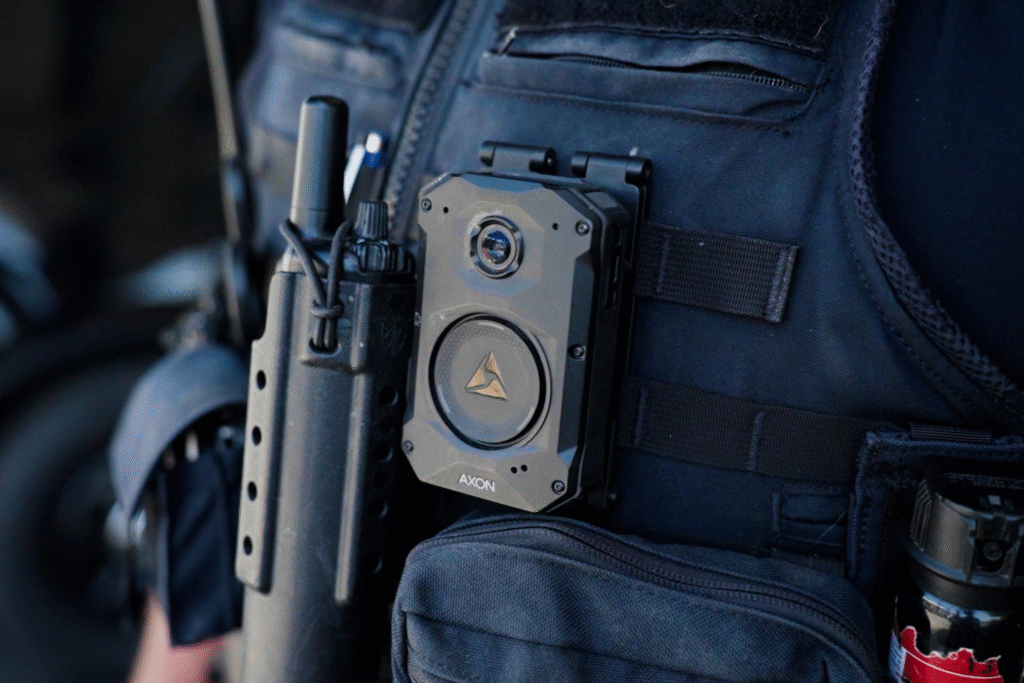
Public trust in police depends on the public being able to see how officers use their power. That is what body cameras are for, and how that footage is handled matters as much as what it captures.
American Fork’s release of a detailed statement and footage was the right instinct, opening the record rather than guarding it. On the details, muting audio during an officer consultation is lawful under Utah law and is a separate matter from redacting footage before release. American Fork released its footage with portions redacted, citing contact with a reported victim. However, the fuller footage that has since surfaced raises questions about whether the redactions stayed within that purpose.
Schneider’s videos leave out conduct the department documented, complicating his self-portrait as a righteous crusader for wronged victims, so his account of the footage deserves the same scrutiny he asks of police. Still, every gap in the record is a place where public confidence can erode, and citizens rightly ask about what they cannot see.
Closing
Much older than YouTube and cellphone cameras, the principle that people should be able to see how power is being used is one the founders understood well. Government cannot be the only judge of its own conduct, which is why a free system demands outside scrutiny, including from ordinary citizens with cameras.
Good officers have little to fear from a public that can watch their work. Transparency is the foundation on which public trust is built, and a watchful citizenry is how liberty continues to stand.