Transparency Report Shows Force Used in 2017

Utah is the only state with a law requiring police transparency regarding “forcible entry” (no-knock or knock-and-announce) warrants and the use of SWAT teams. This year’s report marks the fourth since the law was enacted.

Here is a summary of the data that was provided:

  • There were 486 total “reportable incidents” in 2017—an increase of over 9% compared to 2016.
  • Of these, 221 incidents involved forcibly entering the residence or building.
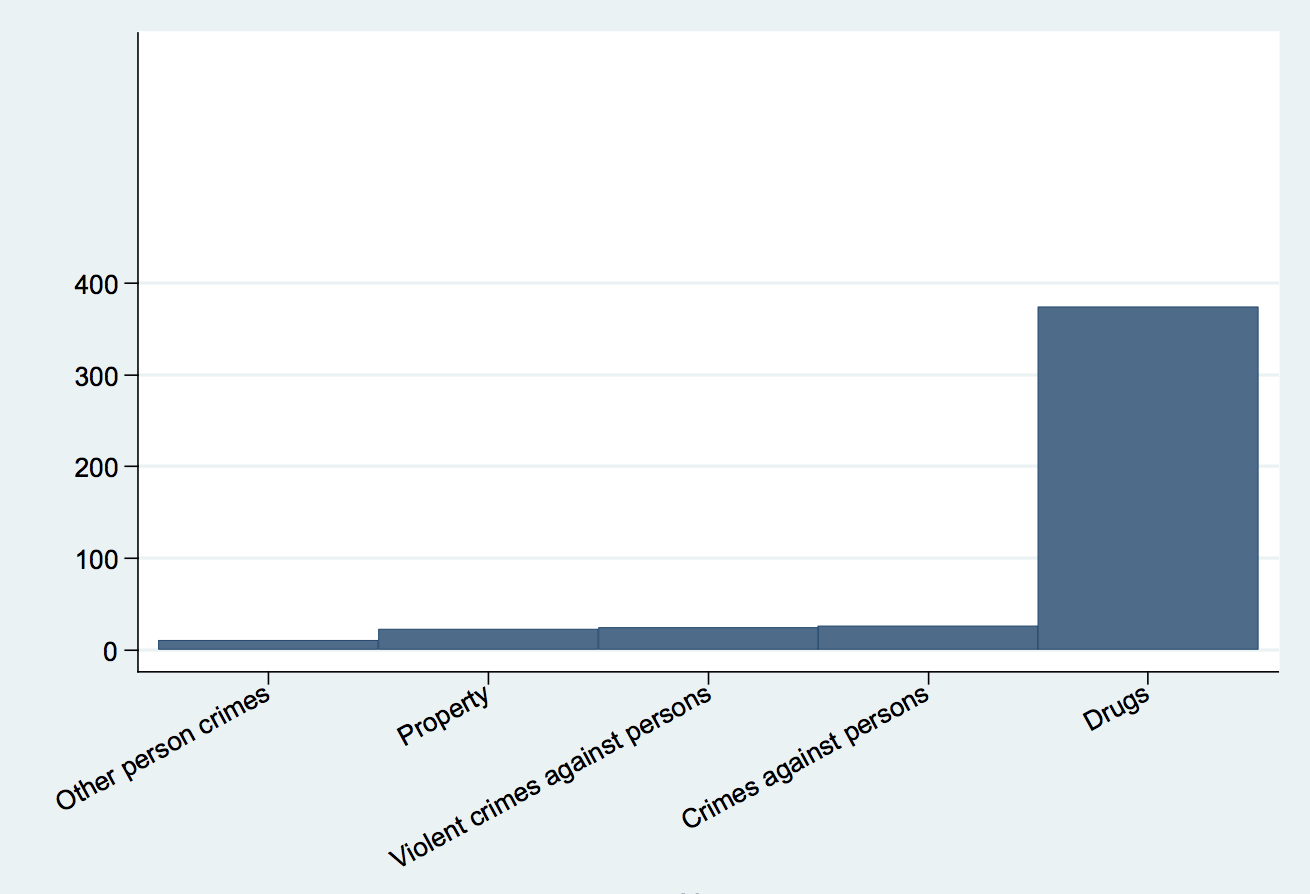
  • 77% of forcible entries pertained to offenses regarding drugs or alcohol.
  • Warrants were obtained in 94% of all reported incidents.
  • Weapons (including non-firearms) were brandished by suspects in 3.5% of reported incidents. Firearms were used by suspects on one occasion.
  • Two officers were injured; there was one fatality.
  • Four civilians were injured; none were killed.
  • One animal was injured.

Here is a breakdown of the reasons leading to these incidents:
 

The entire report can be read here.

Author Profile Image
About the author

Connor Boyack

Connor Boyack founded Libertas Institute in 2011 and serves as its president. Named one of Utah’s most politically influential people by The Salt Lake Tribune, Connor’s leadership has led to dozens of legislative victories spanning a wide range of areas such as privacy, government transparency, property rights, drug policy, education, personal freedom, and more. A public speaker and author of over 40 books, he is best known for The Tuttle Twins books, a children’s series introducing young readers to economic, political, and civic principles. A California native and Brigham Young University graduate, Connor lives in Lehi, Utah, with his wife and two children.

Share Post:

Fighting for a Future Where Individuals Are Fully Liberated to Pursue Their Dreams, Free from Coercion and Control.

You Might Also Like

Utah's top 25% most-arrested homeless individuals cost Salt Lake City $51 million annually in shelter, police, court, and medical expenses. As lawmakers pour another $45.6 million into the system, organizations like The Other Side Village are already breaking the cycle through sobriety, accountability, and employment, without taxpayer funding. The data makes the case: expanding a broken system isn't the answer.
No, rent control doesn't work as supporters believe. Rather it treat symptoms while suppressing the signals that prompt more building, and lower costs.
A Twitch streamer made the moral case for stealing from corporations on the New York Times' podcast. As a former prosecutor, here's why that argument gets justice exactly backwards, and why the real victims are never corporations.

Help us Nail and Scale Policies to Reduce Government Control

Your tax-deductible contributions to Libertas Institute increase freedom across the country.