Salt Lake City Announces Public Comment on Proposed Automated License Plate Recognition Ordinance

ALPR

In The News

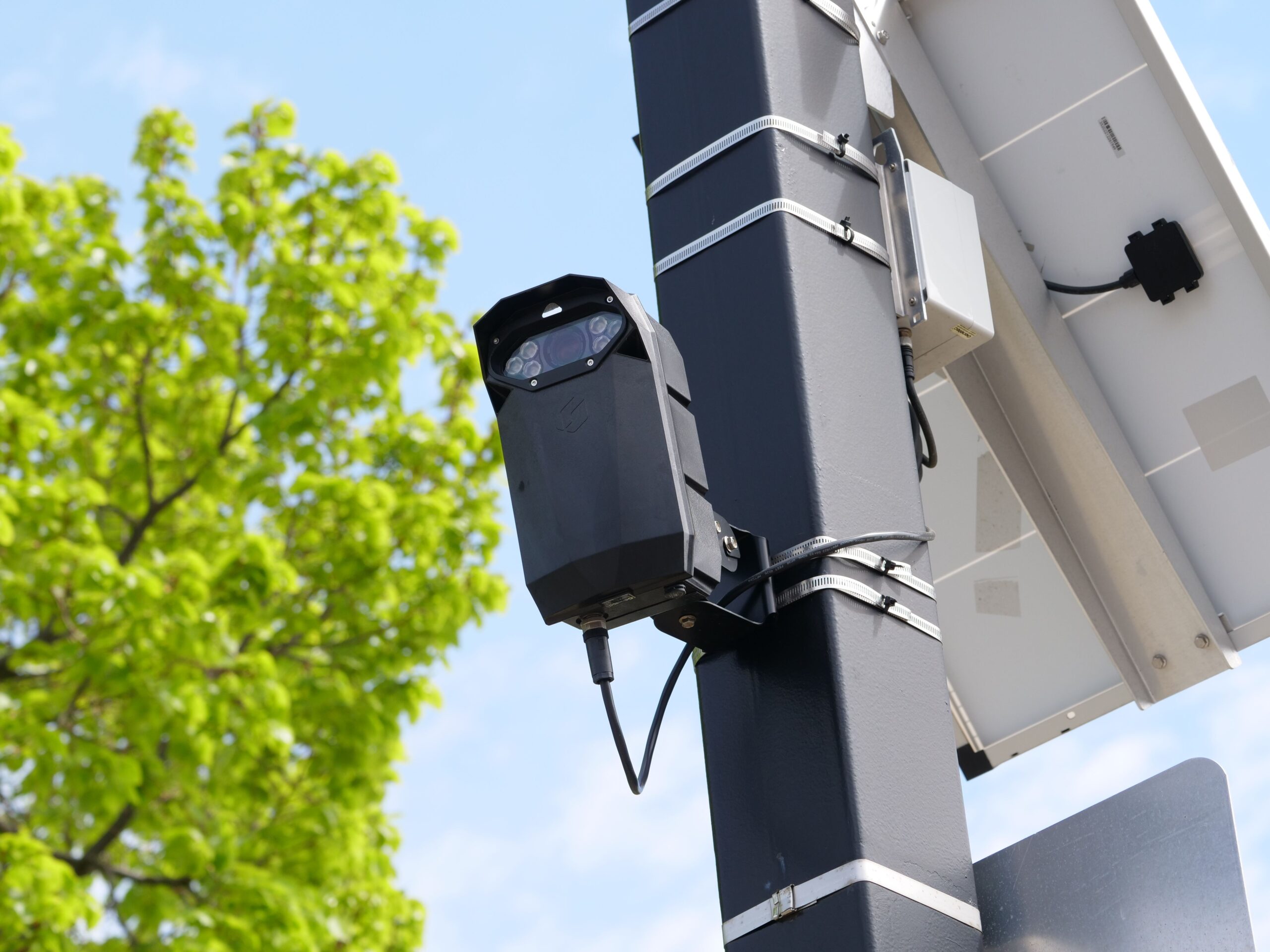
The Salt Lake City Tribune reported that public comment will be open on September 15th for the Salt Lake City (SLC) Council’s newest Automatic License Plate Readers (ALPR) ordinance.  The ordinance is designed to shore up regulations in the use of ALPRs provided by Motorola. 

Here’s My Take

The proposed ordinance is good, but not great.  And in 2026, with technology ever-changing, we can strive to do better.  There are no warrant requirements in the proposed ordinance for requesting Utahns’ information from out-of-state law enforcement agencies.  Additionally, so long as SLCPD provides “prior written consent,” ALPR footage and data can be shared with other agencies.  This footage can be shared with those agencies, in or out of state, for a bona fide criminal investigation or the prosecution of a case.  The standard for prior written consent is not outlined in this ordinance.  What does this mean for Salt Lake City residents?  A letter is sufficient for government agencies to request your information. 

Citizens should be aware of the data retention policies outlined, as well as who owns the data and information, even after a contract is canceled. 

The bigger question to consider, especially as technology advances, is whether we want to live in a surveillance state at all. Our civil liberties should not change just because technology evolves and law enforcement has new tools. 

Make your voice heard to the Salt Lake City Council on September 15, 2026. Registration opens here 24 hours before to sign up for public comment or submit written comments.

Author Profile Image
About the author

Emily Grimmius

Emily is a passionate advocate who has a demonstrated history of changing laws in state legislatures, negotiating cutting-edge privacy bills in the Senate, and served crime victims as a Manhattan prosecutor. With a passion for the Fourth Amendment, privacy protections, and how emerging technologies co-exist with current laws, Emily looks forward to working with Libertas to transform privacy protections for all.

Share Post:

Fighting for a Future Where Individuals Are Fully Liberated to Pursue Their Dreams, Free from Coercion and Control.

You Might Also Like

Investing in the stock market, for example, also involves risk-taking, yet it is generally regulated as investing rather than gambling. This naturally raises the question: Where should regulators draw the line between investing and gambling?
Beyond opening doors, a doorman provides a visible human presence, assists guests, monitors activity around the entrance, and discourages disruptive behavior. Those functions may be difficult to quantify, but they are nevertheless part of the value that the job creates.
The Milwaukee Police Department didn’t catch it.  One of the people he was tracking did, by typing her own plate into a website called HaveIBeenFlocked.com and seeing the search history. Then she complained.

Help us Nail and Scale Policies to Reduce Government Control

Your tax-deductible contributions to Libertas Institute increase freedom across the country.