New Facial-Recognition App Threatens Utah’s Privacy Protections

Ars Technica reports that the federal government is distributing a face scanning app called Mobile Identify to local police. The app, developed by U.S. Customs and Border Protection, it lets officers photograph someone’s face and instantly search federal biometric databases.

Officials call it efficient. In reality, it raises serious concerns regarding legal and civil liberties.
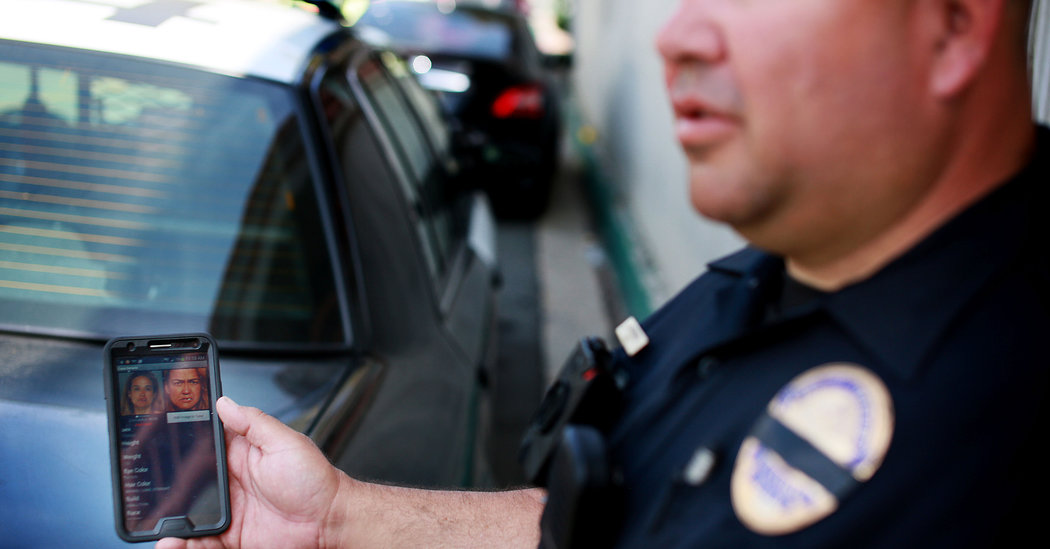
Any Utah police department that uses this app directly is breaking state law. Under Utah law, local law enforcement agencies may not conduct facial recognition searches independently. They must go through the Department of Public Safety, which logs every request and limits use.

By connecting to federal systems without DPS oversight, a local agency would be operating outside its legal authority and could expose itself to risk under Utah’s Governmental Immunity Act. Depending on the facts of an incident, that exposure could open the door to lawsuits or injunctions. A single wrongful stop or misidentification could create real liability for a department and its officers.

Facial recognition is notoriously error-prone, especially for women and minorities. When tied to immigration databases, it invites wrongful detentions and privacy violations. Utahns never consented to that.

If any agency in Utah adopts Mobile Identify without authorization, it should face swift legal action to restore accountability. Utah’s legal guardrails exist to protect innocent people from government overreach that hides behind claims of innovation.


Author Profile Image
About the author

Jason Chipman

Jason directs Libertas’ public policy efforts with state government. Before joining Libertas, Jason spent 8 years as a member of the Missouri House of Representatives. He received bachelor’s degrees in Organizational Leadership from Drury University and Accounting from Central Methodist University. Jason worked for a semiconductor supply company for 14 years before getting elected, wearing many different hats in that time. He also spent 5 years in the US Navy, completing two deployments to the Persian Gulf aboard the USS John F. Kennedy CV-67. Jason and his wife Elane home school their five children and enjoy traveling and hiking.

Share Post:

Fighting for a Future Where Individuals Are Fully Liberated to Pursue Their Dreams, Free from Coercion and Control.

You Might Also Like

The GUARD Act would ban AI for teens instead of trusting parents to guide them. You can't build a wondrous future on a foundation of fear.
Bitcoin has fallen more than 50% from its 2025 all time high. Still, the conditions that gave Bitcoin and cryptocurrencies a use case in the first place have not changed.
A new audit on the Utah Fits All scholarship found purchases auditors called “wasteful and extravagant.” But the audit does not measure why the program exists.

Help us Nail and Scale Policies to Reduce Government Control

Your tax-deductible contributions to Libertas Institute increase freedom across the country.