Utah Mobile Businesses, Say Goodbye to These Headaches

How would you like to get a haircut, a new cell phone, and delicious tacos at the same event? With the passage of HB 408  — a bill we teamed up with Representative Robert Spendlove to pass this session — that scenario now has the freedom to become a reality.

HB 408 takes the successes we’ve had with prior food truck legislation and expands it to include other types of mobile businesses that function similarly, but sell a good or service instead of food. To achieve this, HB 408 adds a definition for “Enclosed Mobile Businesses” to state code and enables entrepreneurs who wish to operate such businesses the certainty that if they get a permit and pass any required inspections, they can operate throughout Utah without the cost and hassle of redundant processes.

The following enclosed mobile businesses are specifically cited in the legislation:
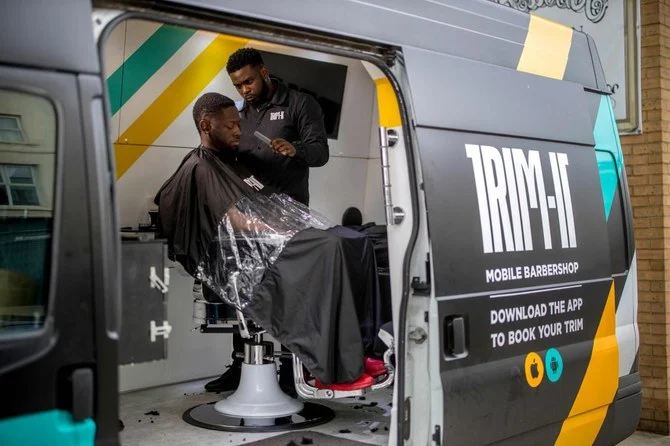
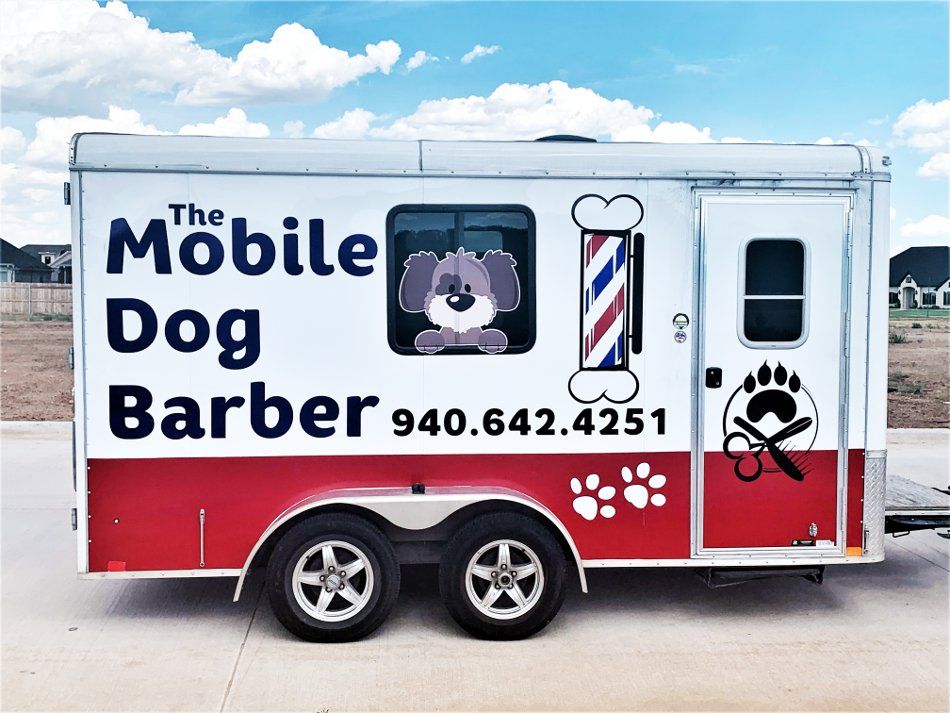
Mobile Barber Shops
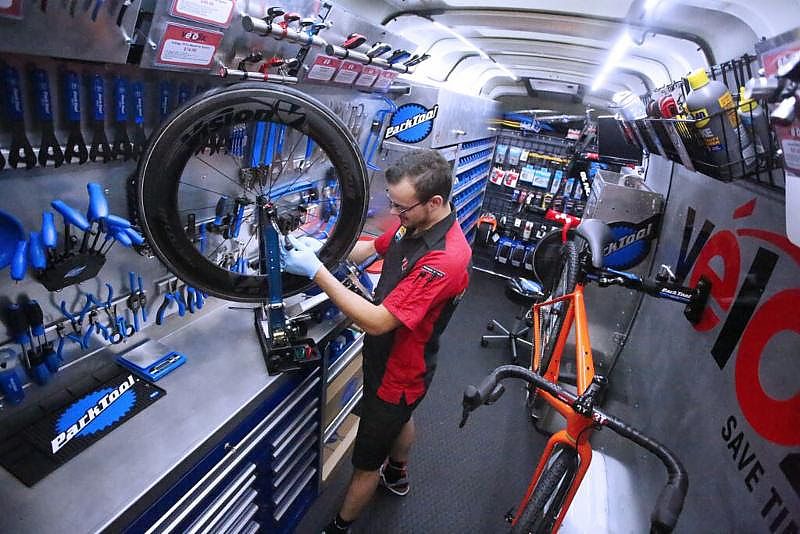
Mobile Bicycle Shops
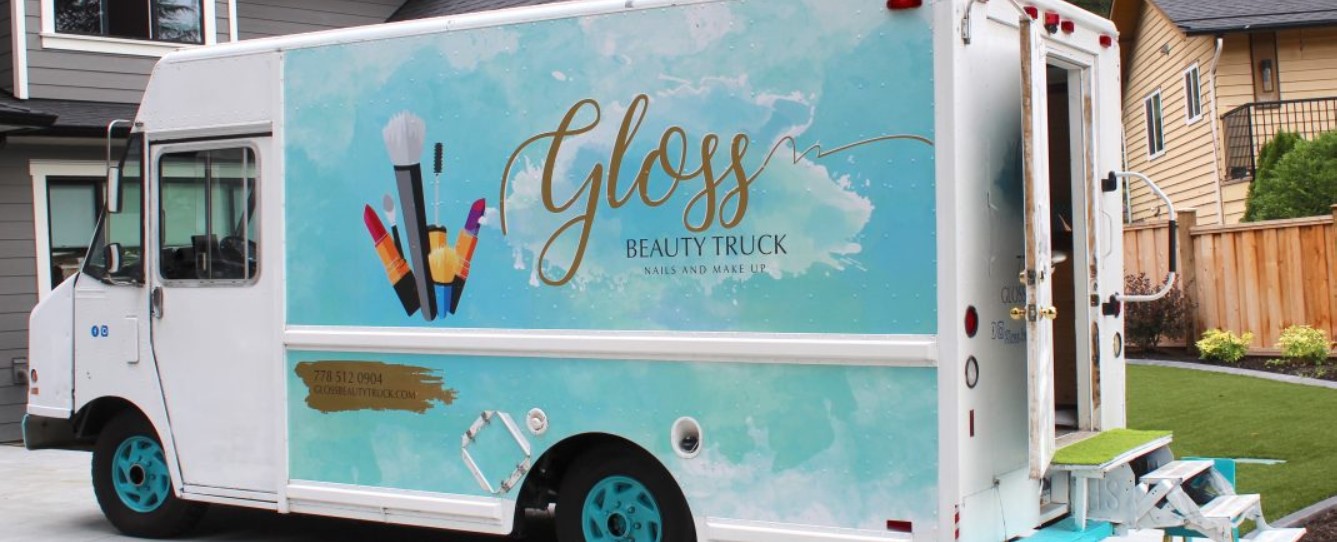
Mobile Beauty Shop (makeup, nails, eyelashes, and waxing)
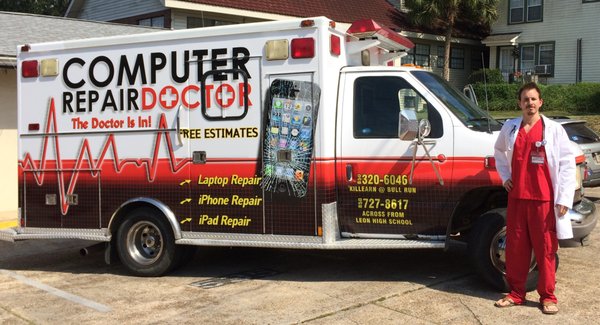
Mobile Cell Phone & Computer Shop
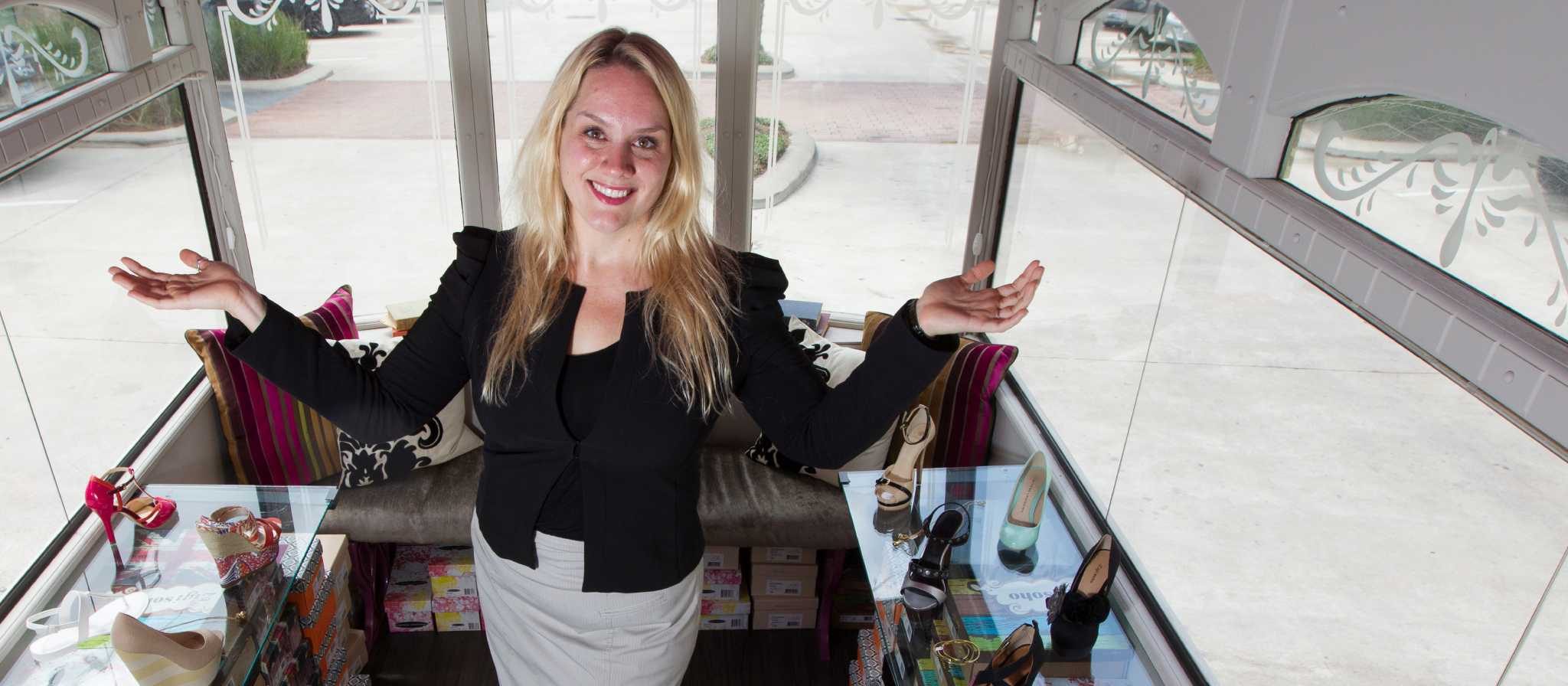
Mobile Shoe Shop
Mobile Pet Grooming
Mobile Media Archival & Transfer
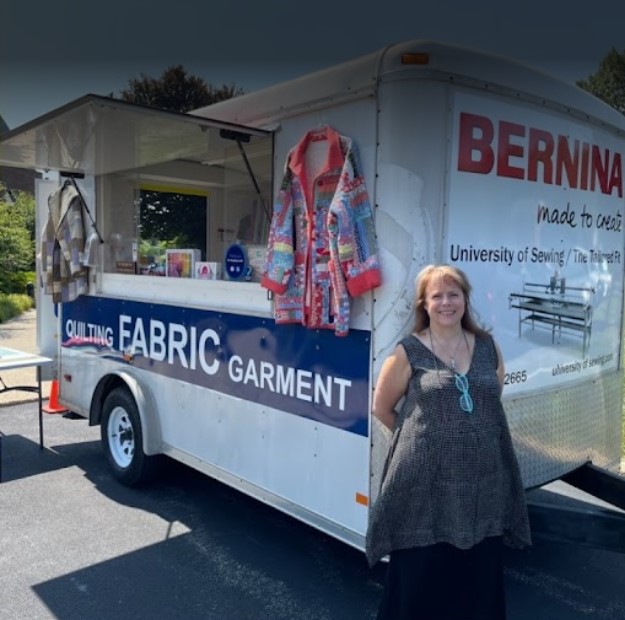
Mobile Sewing and Tailoring
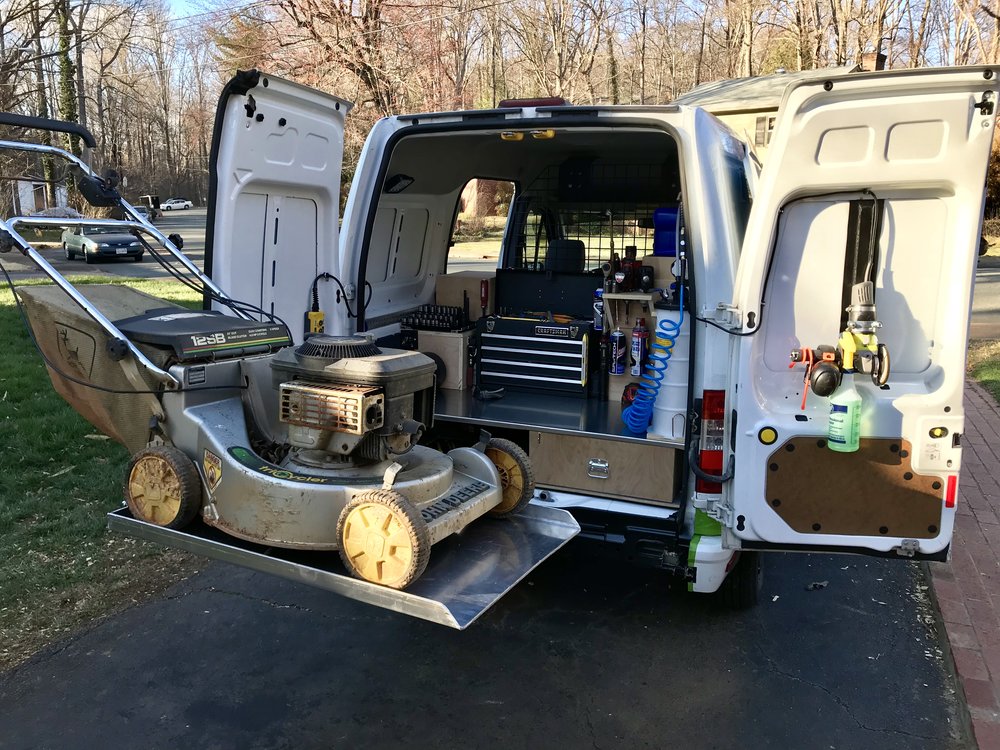
Mobile Small Engine Repair
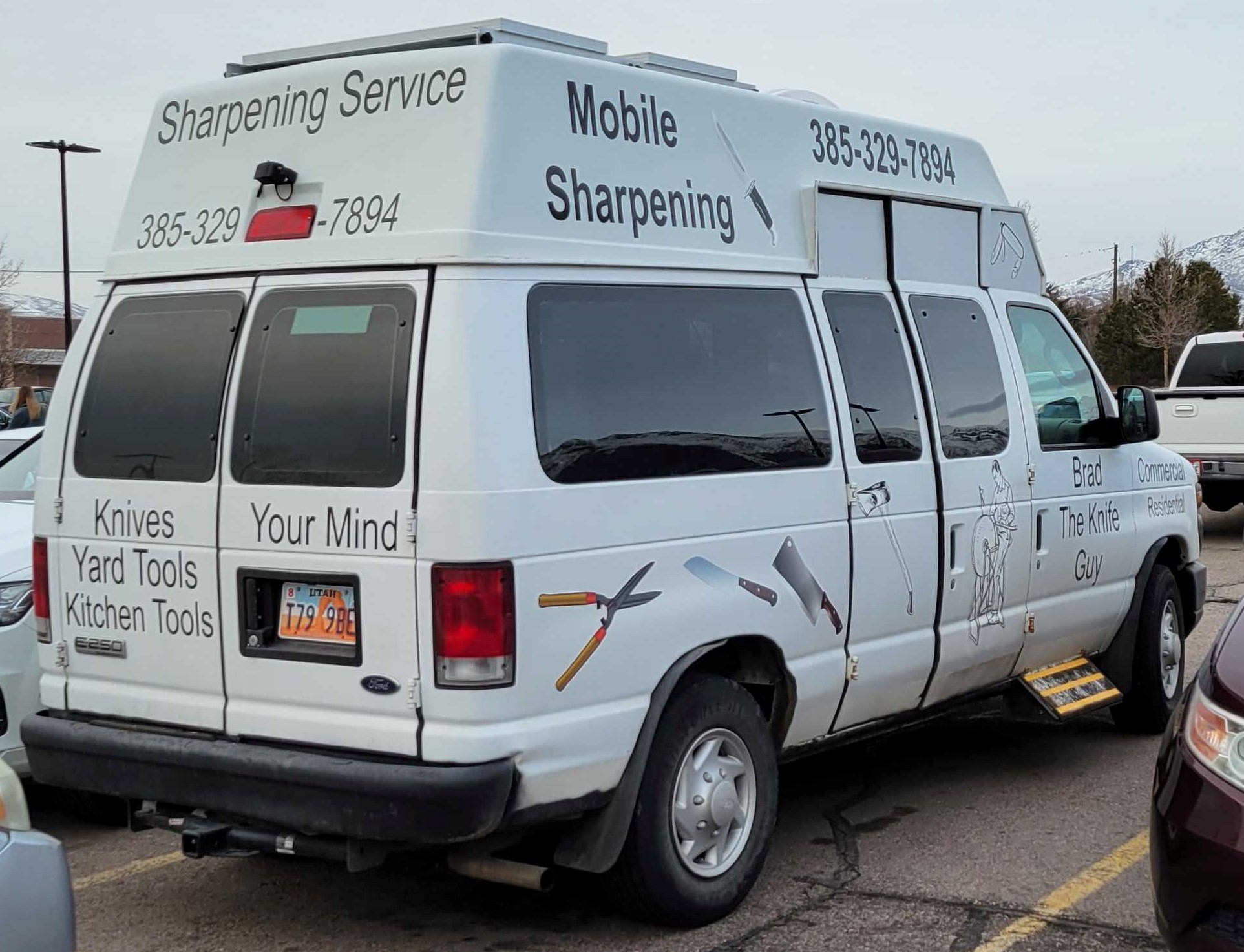
Mobile Tool Shop

These mobile business owners would no longer have to deal with a number of headaches. For example:

  • Once an enclosed mobile business has received their business license and any necessary inspections from one jurisdiction, they do not have to obtain new licenses for every city they wish to operate in.
  • Licensing fees would be restricted to no more than the actual cost of processing the license.

We applaud the members of the House Business and Labor Committee and the Senate Business and Labor Committee for considering and unanimously recommending the bill. We further applaud the House of Representatives and Senate for passing the bill without a single no vote.

Author Profile Image
About the author

Lee Sands

Lee is the Local Government Policy Analyst at Libertas Institute, drawing on his research and entrepreneurial experience to inform and assist elected officials and the general public. He focuses on issues most relevant to local governments, such as land use, taxation, and business regulation. His work addresses the regulatory hurdles that matter most to families, small businesses, and entrepreneurs. A native of rural northeast Florida, Lee moved to Provo, Utah in 2004. Before joining Libertas, his path ran through the private sector in technical writing, journalism, and small business, giving him firsthand experience navigating the regulatory environment he now works to improve. He graduated from BYU and attended the Vermont College of Fine Arts. Outside of work, he enjoys time with his family, the outdoors, history, and creative pursuits.

Share Post:

Fighting for a Future Where Individuals Are Fully Liberated to Pursue Their Dreams, Free from Coercion and Control.

You Might Also Like

Strong privacy protections, and transparency about how the government uses new technologies, are more important than ever.
During the 2026 general session, lawmakers tackled everything from victim privacy and juvenile justice to kratom regulation, capital punishment procedures, and police transparency.
The freedom to use your property as you see fit represents one of the most direct paths to economic opportunity and the exercise of personal freedom.

Help us Nail and Scale Policies to Reduce Government Control

Your tax-deductible contributions to Libertas Institute increase freedom across the country.