When we think of paying taxes, we usually think of common situations like the ones below:
- Paying sales tax when we buy something from a store.
- Paying income tax when we receive a paycheck.
- Paying property taxes, either directly when we own a home or indirectly when we rent.
These taxes are government actions that result in residents having less money for their needs. Beyond direct taxation, there are other government actions that reduce our disposable income. For instance, if the government passed a regulation limiting each store to only selling 480 eggs a day, eggs would become scarce, which would result in an astronomical price increase. While this “egg shortage tax” would not be a direct tax, it would still result in less money in your pocket.
Housing Shortage Tax?
While we thankfully do not have regulations limiting the number of eggs, cities across America do have something of a “housing shortage tax”. Through their zoning authority, cities mandate how many homes can exist in a specific area. These regulations go beyond merely keeping skyscrapers out of residential neighborhoods; they also prevent people from building starter homes on small lots or adding cottages to their backyards.
The net effect of these zoning restrictions (coupled with a few other factors) is that home prices have roughly doubled in eight years. For instance, in Utah, the median home price today is around $500,000, whereas in 2016, it was about $250,000.

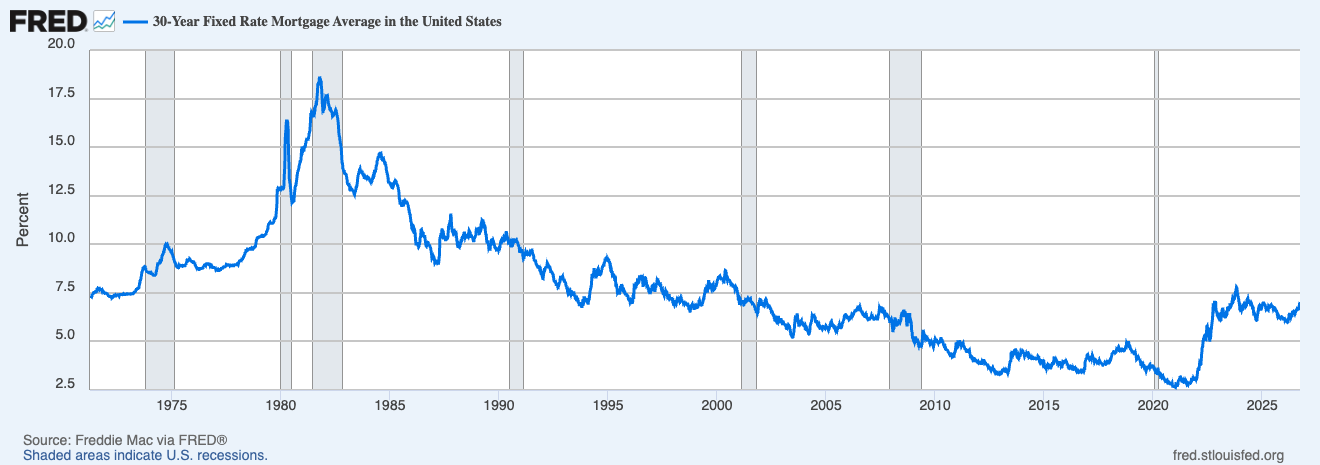
For those who do buy homes for $500,000, when the price could have been half of that, the difference over thirty years is substantial. When factoring in a five percent interest rate, the difference would amount to $483,137. On an annual basis, this costs homeowners just over $16,000, not including differences in additional property tax and insurance.
When housing cost increases are coupled with the doubling of gas prices and a sharp increase in food prices, the situation for everyday people is becoming dire.
Not Just Prospective Homebuyers
The burden of the housing shortage also extends beyond prospective and recent home buyers — renters, business owners, and consumers all suffer the consequences of it. Utah businesses particularly suffer, as housing inflation raises their labor costs by thousands per employee in order to account for the increased cost of living. In turn, these increases lead to price hikes for their products and services, which are purchased by the public who are already feeling its effects in other areas.
This ripple effect underscores the broader economic implications of housing shortages, which highlights it as a critical issue deserving attention and policy solutions.
It Can Get Worse
Alarmingly, inaction and insufficient steps to eliminate the shortage can make the housing crisis even worse. As the crisis worsens, the amount of people asking for government subsidies will increase. The trouble with direct subsidy proposals, and others like it, is that they cannot work in the long term. Not only would a surge in government spending not address the underlying issue, it would also require a staggering level of taxation. Need proof? Check California’s tax rates, home prices, and out-migration numbers.
In short, we can declare housing a crisis and we can debate about growth, but unless more homes are built, Utah’s housing shortage tax will only increase.