In the News
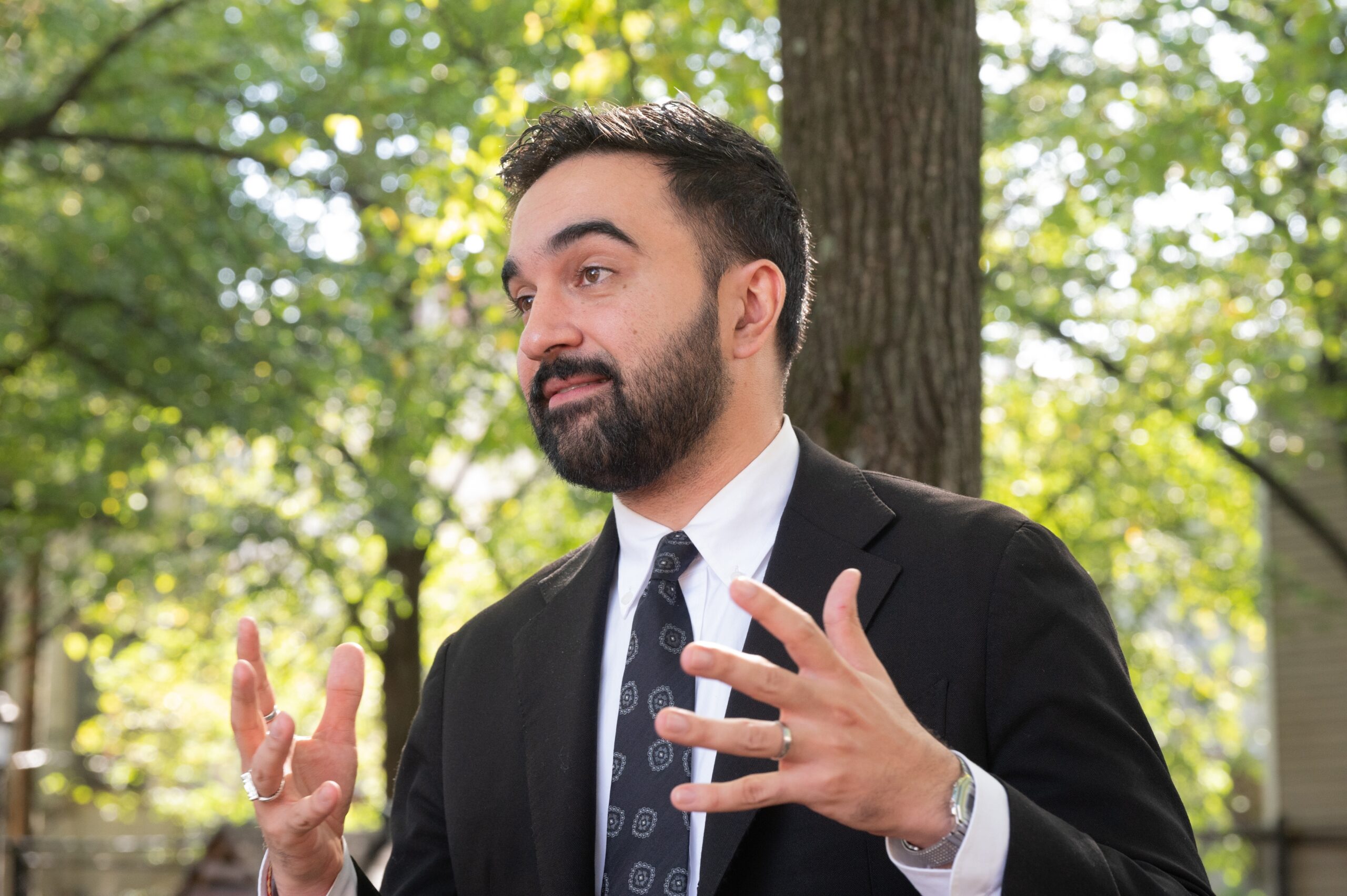
New York City Mayor Zohran Mamdani made headlines when he announced he will work to bring down World Cup ticket pricing given “the necessity of it being a more affordable experience for all.”
Here’s Our Take
Let’s take it back to Econ 101. Prices don’t presuppose supply. Scarce supply leads to high prices.
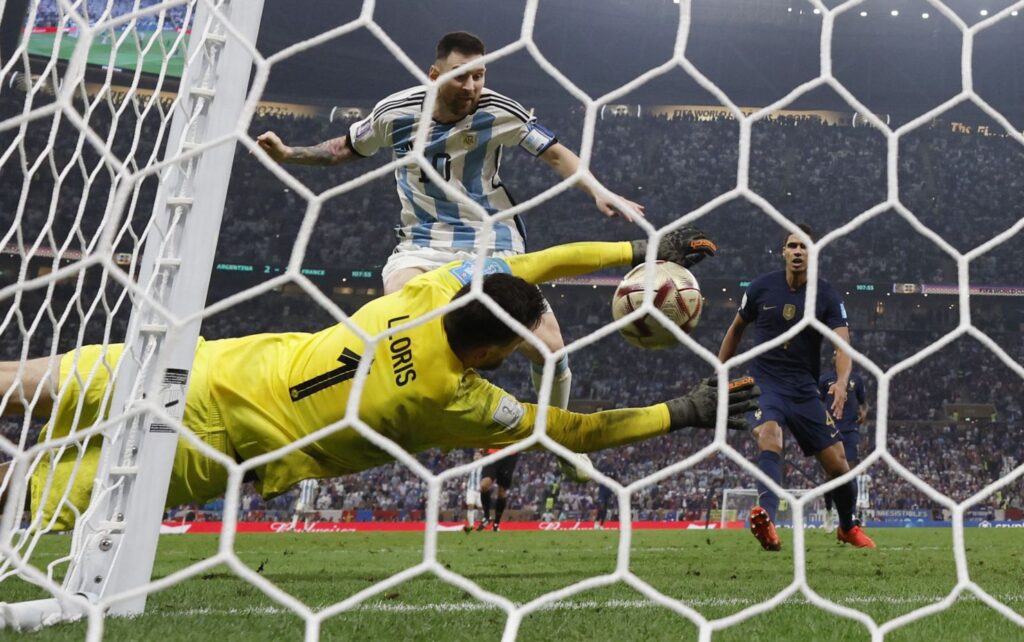
The World Cup attracts demand from millions of fans worldwide. No amount of posturing changes the reality that there are far more people who want tickets than tickets available. This would be like Governor Cox telling the Olympic Committee that every Utahn must receive an affordable ticket to the 2034 Winter Olympics. It may sound nice, but it isn’t realistic, or the proper role of government.
Politicians can’t accurately gauge every individual’s demand for these events. Some might consider $300 affordable; others, only $10. The price people are willing to pay depends on their subjective value for that good. That factor, aggregated across the market and combined with available supply, is how prices are set.
A smaller number of VIP tickets will cost more than a larger number of General Admission tickets. If Cox or Mamdani declared all tickets should cost $50, they’d be ignoring supply-side realities like production costs. If a VIP experience costs $250 to produce, it can’t be sold for $50 without slashing quality or running at a loss. And regardless, neither the mayor of New York nor the governor of Utah has authority to dictate how private organizations price their products.
Closing
When people complain about “dynamic pricing,” they’re often reacting to third-party resale prices. But even resellers aren’t inventing scarcity; They’re responding to it. High prices allocate limited resources to those who value them most and signal where demand exists. History shows what happens when we try to circumvent the price mechanism: shortages, black markets, and inefficiency.
Supply and demand come first. Prices merely reflect that reality.