In the News
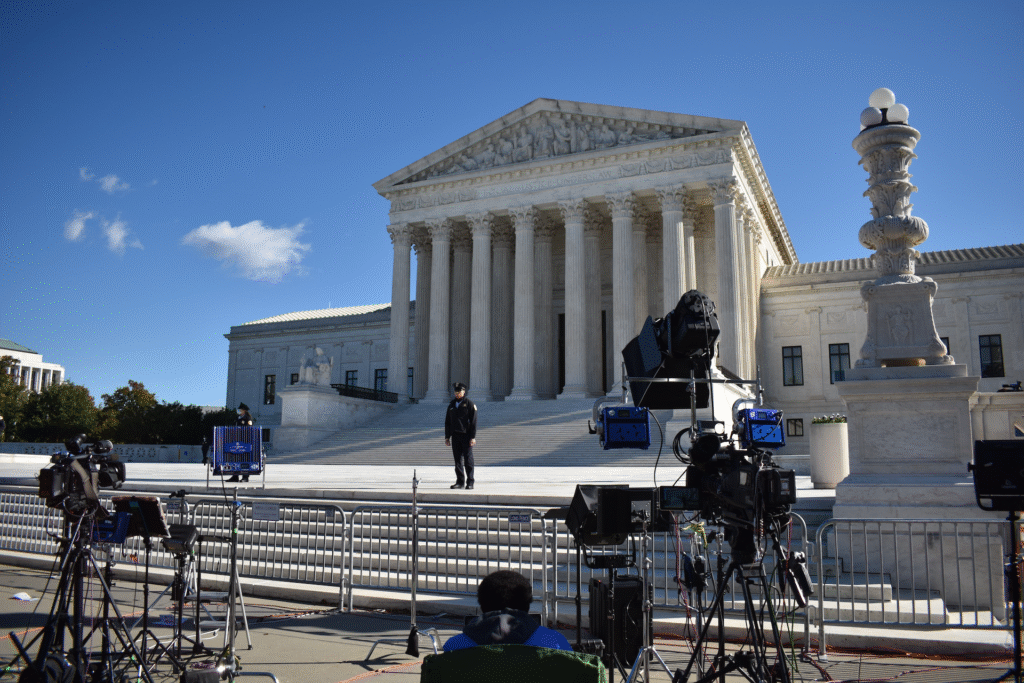
Fox 13 reported that the Supreme Court ruled unanimously in United States v. Hemani that the government cannot strip Second Amendment rights based only on drug use. Writing for the Court, Justice Neil Gorsuch held that a federal law was unconstitutional as applied to Ali Hemani, a marijuana user who kept a handgun at home. It did not question disarming the genuinely dangerous, only the assumption that drug use proves danger.
Here’s My Take
This is the right outcome. A free people does not forfeit the right to armed self-defense the moment the government disapproves of a private choice. Before stripping that right, the state should prove a person dangerous, not presume it. William Sack of the Second Amendment Foundation noted that prosecutors must now show evidence of real danger rather than drug use alone.
For Utahns, lawful medical cannabis patients were already shielded: under Utah Code, police may not spend state or local resources enforcing gun restrictions against patients following the Medical Cannabis Act. For the 114,090 Utahns with active cards, Hemani narrows the federal exposure that remained.
Utah’s own criminal statute, though, does not depend on federal law. An “unlawful user of a controlled substance” is a Category II restricted person, making their possession of a firearm a third degree felony. It reaches cannabis users without a card, on the same presumption the Court rejected.
Closing
The Second Amendment binds the states through the Fourteenth, and a unanimous Court, left to right, rejected this kind of categorical disarmament. Utah’s felony cannot survive in its current form, and lawmakers now have a clear opening to bring it into line. As they consider revisions, may it remind them that the rights secured in our Bill of Rights are not granted by government but endowed by our Creator, unalienable and supreme over any law they pass.