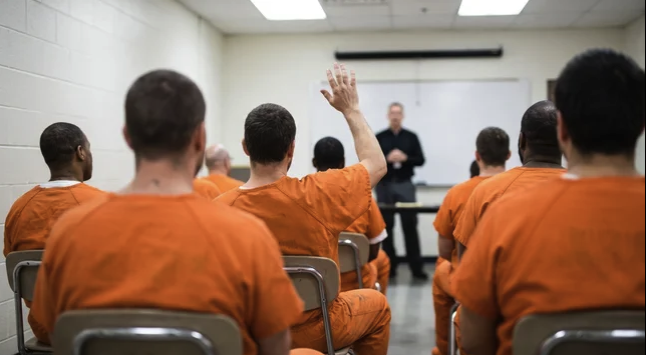
Barry Latzer recently argued in City Journal that the movement to shut down American prisons is a perilous socialist project. He is right. Groups like the DSA and Black Lives Matter treat incarceration itself as the injustice. Their basic answer is release, which leaves victims unprotected and offenders unchanged.
Dangerous people have to be held accountable. But is a cell the only instrument? There is an older American answer that owes nothing to Marx. It excuses no crime and treats no prisoner as a victim of the state. It holds that confinement alone rarely produces the accountability it promises.
In January 1844, Joseph Smith Jr.—founder of Utah’s predominant faith—ran for president on a platform harshly critical of the penitentiary system. He called for replacing confinement with work and education, reserving imprisonment for only the most heinous offenses. Harshness and isolation, he wrote, would never reform a man the way “reason and friendship” could. The self-described “greatest advocate of the Constitution of the United States” was no leftist. He believed freedom was the instrument of reform, not its reward, and that a man learns responsibility by carrying it, not by having it stripped away.
Latzer asks: “Are we to ignore the impoverished victims in favor of indigent criminals?” No. But the question assumes an unnecessary tradeoff. Having spent over a decade in the courtroom, I know the same individuals often fall into both groups, and both are served by the same thing. The best protection for the next victim is an offender who actually stops, not one temporarily detained. By Latzer’s own citation, 83% of released prisoners are rearrested within nine years, nearly half within their first year out. The system Smith criticized nearly two centuries ago is still failing both victims and offenders.
Secure confinement, probation, and electronic monitoring are merely forms of supervision. Each restricts a man’s freedom by controlling where he is. None require him to answer for who he is once that freedom returns.
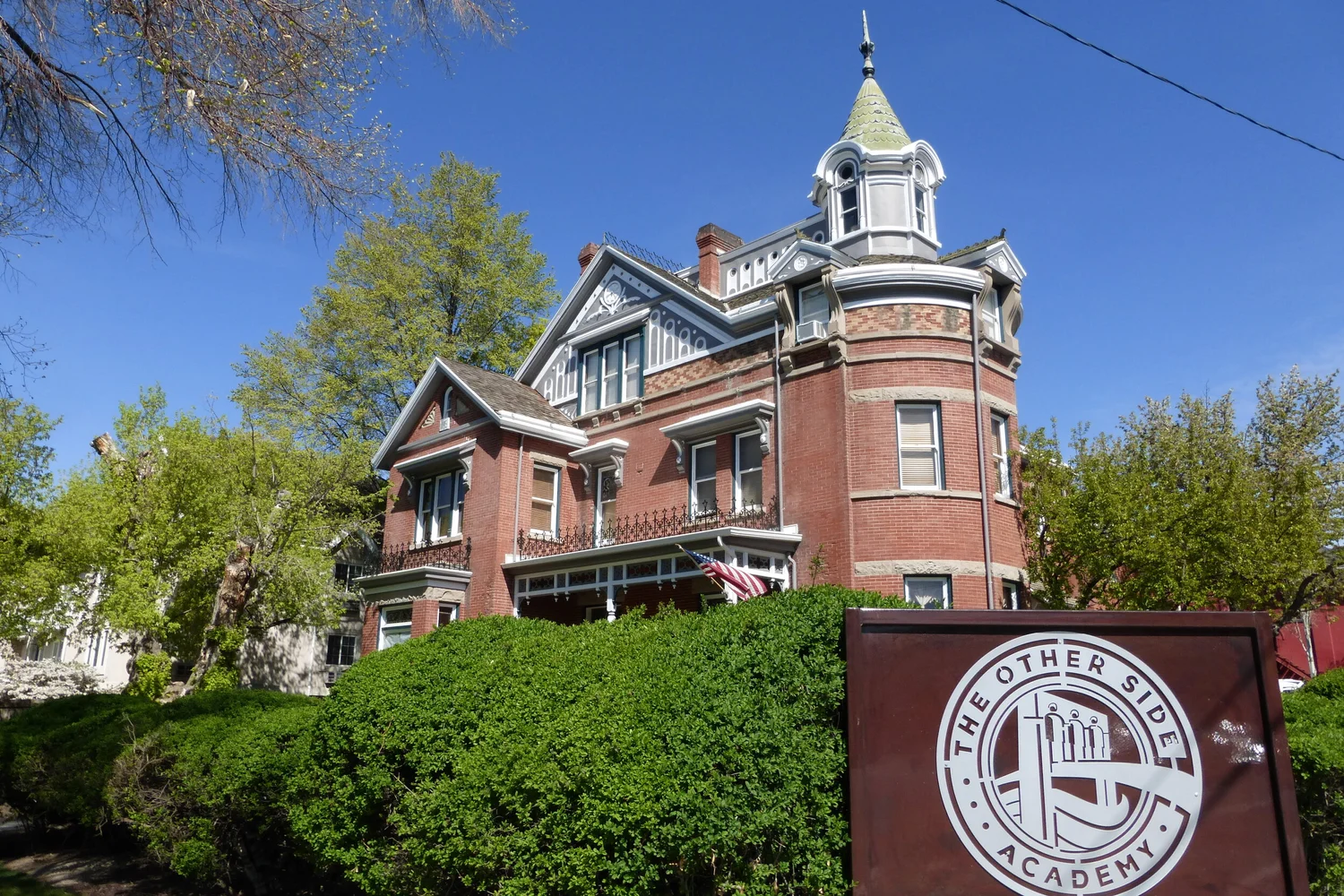
A third option comes much closer to what Smith proposed. Utah has two therapeutic communities, The Other Side Academy (TOSA) and John Volken Academy, neither of which takes government money. Residents run the moving companies, thrift stores, and construction crews that pay for the programs. Former TOSA students, who average 25 prior arrests, describe a place that taught them “love, accountability, honesty and support” in a way no prior program had. A recent BYU Law case study put the result in numbers: 72% of TOSA graduates are still drug-free, crime-free, and employed five years out, against a national five-year rearrest rate of 71%.
This is not the easy way out. Residents surrender their phones, live under strict rules, work full days, and face unsparing accountability by peers who have lived similar lives. Roughly half of those TOSA admits never finish, most quitting within the first two weeks. These programs are not a system-wide fix and are not for everyone. They were built for men like Dave Durocher.
Durocher was first arrested at 13. By 38, he had spent 15 years in prison across four terms, none of which changed him. Facing a 29-year sentence, he was sent instead to a residential therapeutic community by a California judge who chose accountability through reason and friendship. Two decades drug-free, crime-free, and employed, Durocher now runs TOSA in Salt Lake City. He was once exactly what the statistics describe: a career criminal, a danger to the community, one of the undeterred. Each label was true of his record but false about the man.
Prisons will always be necessary for some offenders, and punishment is part of justice. It is not the whole of it. Utah need not settle where the line falls. It only has to stop treating a sentence as the last word on the man serving it. There are men in Utah’s prisons today who could do what Durocher did, and each one who does is a crime that never happens. None of them can reach these programs from a prison bed. Libertas Institute is working to change that.