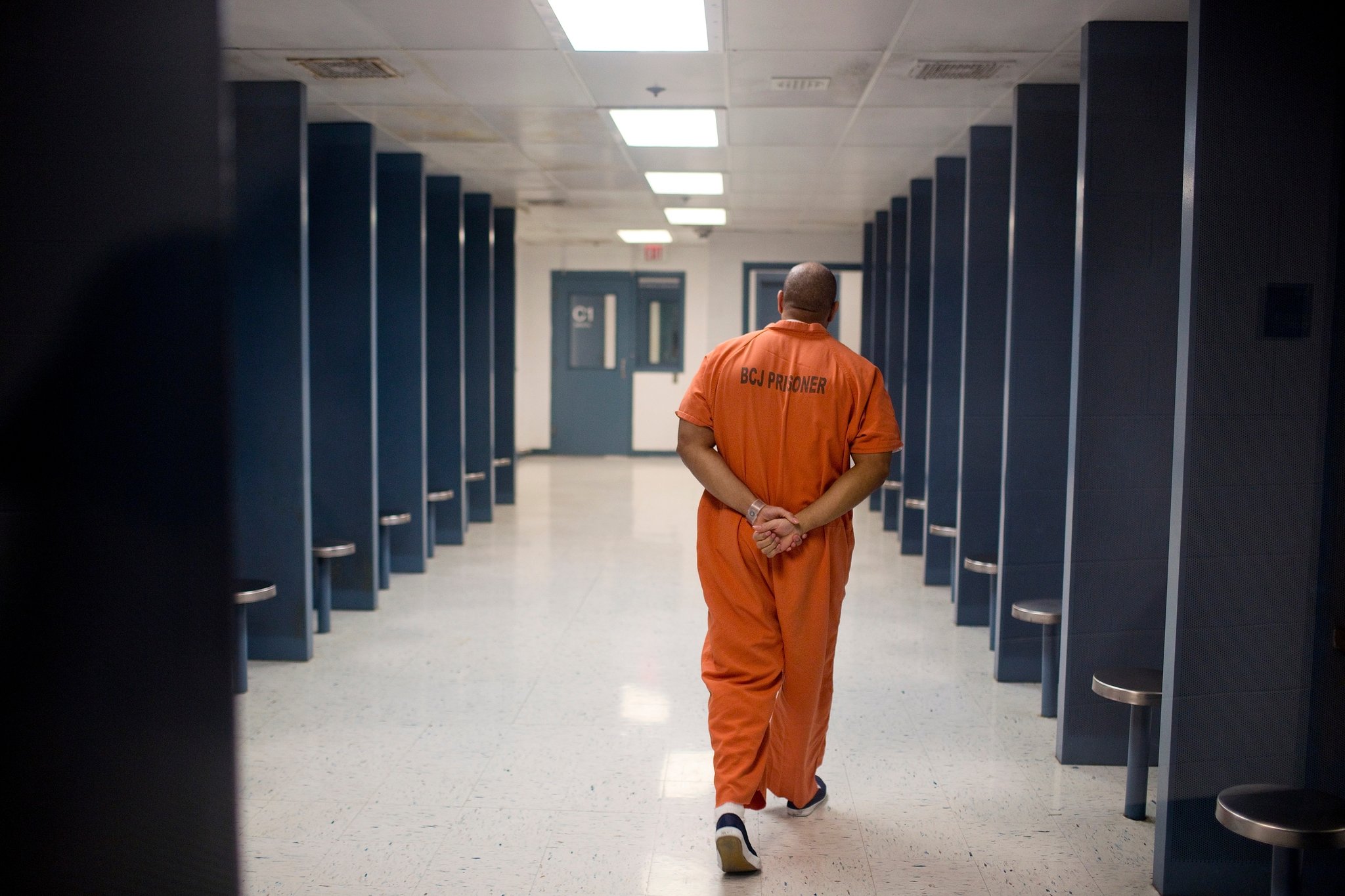
Utah spends $78,585 a year on each person held in state prison. That figure comes from Utah Foundation’s new report on recidivism and reentry, published July 16. The average across Utah’s Mountain State neighbors is $60,600, which puts Utah about 30 percent above the region. Only New Mexico spends more.
Utah spends $1.42 billion a year on criminal justice, about 4.6 percent of the state budget. This year lawmakers approved another $125 million to add 768 prison beds in Gunnison, and corrections officials say that sum will not cover the full cost.
The same report names two Utah therapeutic community programs that cost the state nothing. The Other Side Academy and John Volken Academy each take people with long criminal histories and keep them for at least two years in residence, followed by a period of transitional living. Neither accepts government money. They pay their own way through successful and highly rated businesses their participants run, including a moving company, a thrift store, and a construction operation. Utah Foundation describes both programs and then moves on. It never sets them beside the cost of a prison bed.
That comparison deserves attention, because the report’s own conclusion is that lighter sentences do nothing on their own. Reoffending drops when states pair sentencing changes with treatment, supervision, and help finding work. Utah already has private organizations doing that work at no charge to taxpayers.
In fairness, moving people out of prison does not immediately cut a line in the corrections budget, since most of what corrections spends is fixed in the short term. Real savings arrive over time, and lower recidivism is what produces them. Every person who finishes a program and stays out is a bed the state does not have to fund or build later, which is what eventually lets it stop expanding. That is a reason to build or access capacity outside the prison walls before the state spends more on beds, especially where such programs are showing better results than what the prison provides.
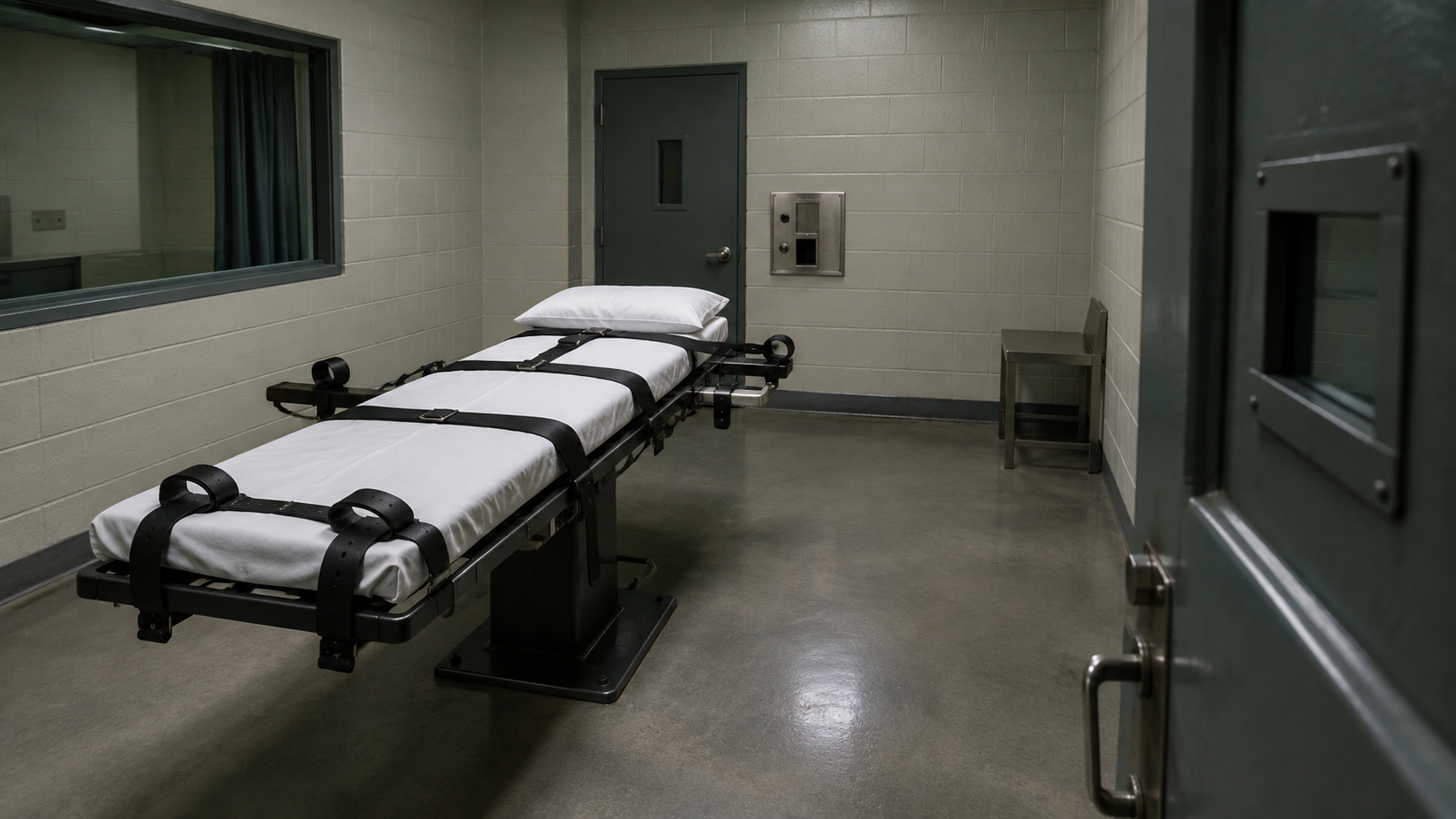
Utah law is what stands in the way. A judge can divert someone to a therapeutic community instead of prison, but once a sentence begins, no path exists to move a willing person into one before their time runs out. I wrote about that gap in June.
The additionally approved $125 million works out to more than $160,000 per new bed just to build, before the $78,585 a year Utah already spends per prisoner. Corrections says even that construction figure is only a down payment. A bed in a private therapeutic community costs the state nothing to build or to run, and The Other Side Academy reports that between 70 and 80 percent of its graduates stay drug-free, crime-free, and employed. Utah is paying premium prices to add beds while a better outcome sits available for free.
Opening a door costs Utah nothing. Libertas Institute is developing legislation for the 2027 session to build that pathway, so that people who want a real chance at changing course can take one while there is still time on the clock.