Two young entrepreneurs, and the families who bet on them
Ask most adults how old you have to be to run a business, and they’ll guess somewhere after college. Hand a kid a folding table and a few dollars of inventory, and you might find out the real answer is a lot younger.
Kids can handle more than we plan for. They can figure out what their supplies cost, talk to strangers, shake off a slow day, and work out what to try next. What most of them are missing is a first yes: someone who puts the idea in front of them and then gets out of the way.
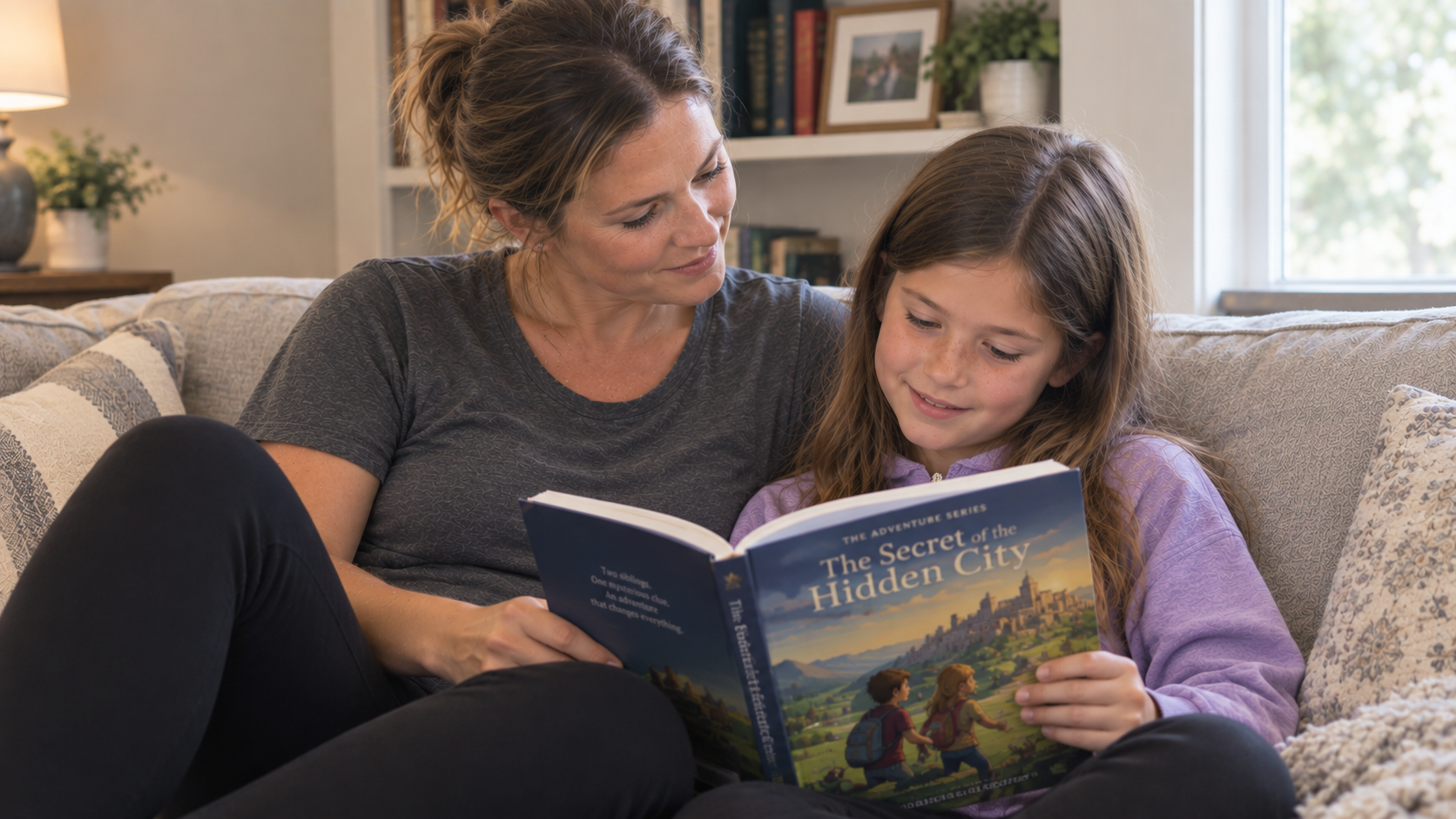
Sienna’s first yes came at five. Her uncle sent her a $50 check for Christmas, and her family bought her the first ten Tuttle Twins books that year and loaned her $70 more. At six she opened a hot cocoa stand and cleared $387 in one winter. When the pandemic shut down sidewalk sales, she packed cocoa, marshmallows, and her own cup labels into take-home kits and sold them for $12 each.
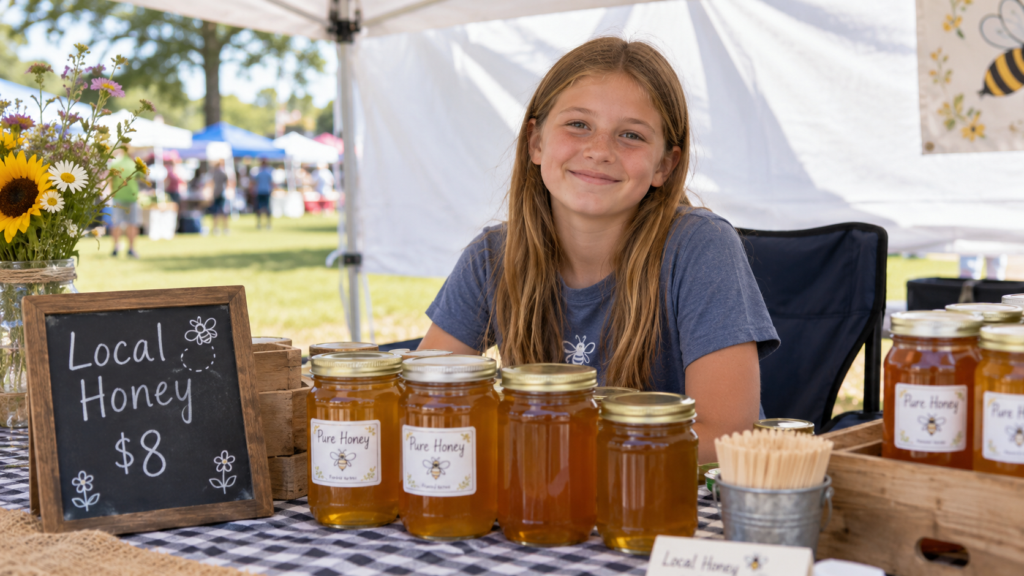
At eight she wrote a business plan and pitched her grandfather, a beekeeper, on selling his honey wholesale under her own label. He said yes. At thirteen she ships honey in by the barrel for festivals, markets, and local shops. Last year she bought out a woman’s entire beeswax candle business, paying half in cash and half in silver she had saved. She still puts out roadside signs for free lemonade, then sells honey and candles to whoever pulls over.
Sienna had a head start. Sydney didn’t, and her story shows the first yes can come late and still change everything.
Sydney was a teenager failing most of her classes, raised by a single parent on modest means. Her dad used a state education scholarship to build a self-directed year around her. She planned her own projects, managed her own budget, and trained at the gym every morning. The gym turned into her classroom, and the discipline she built there opened the door to a sales job. Within a year she had formed her own LLC, funded her retirement accounts, and won her industry’s top honor. She was seventeen. Her dad called it “100% self-made.”
On paper these two girls have almost nothing in common. One started at six with a cocoa stand, the other as a teenager whose report card said she was failing. Underneath, their stories run the same way. An idea showed up at the right moment, and a family trusted a kid to run with it.
Their stories are part of something much bigger. Across the Libertas Network, families all over America are putting ideas like ownership, fair trade, and the value of your own work in front of their kids, then giving them a table, a crowd, and their first real customers. Tens of thousands of kids have taken that chance, and what started at kitchen tables has grown into a youth entrepreneurship movement in towns across the country.
The funny part is how little of it we did. We didn’t build Sienna’s honey business or earn Sydney’s award. We never taught a single kid to count change or look a stranger in the eye. We handed families the ideas and a place to try them, and the kids took it from there. Sienna’s parents read the books with her until she was reading them back, then handed a six-year-old seventy dollars. Sydney’s dad gave a struggling teenager a full year to herself.
Every one of these kids had it before the first page. The spark was ours to give. The fire was always theirs.
The American dream has always worked this way: one family, one idea, one kid behind a folding table who decided to try. Give a child a spark and a little room, and you’ll be surprised what they build.