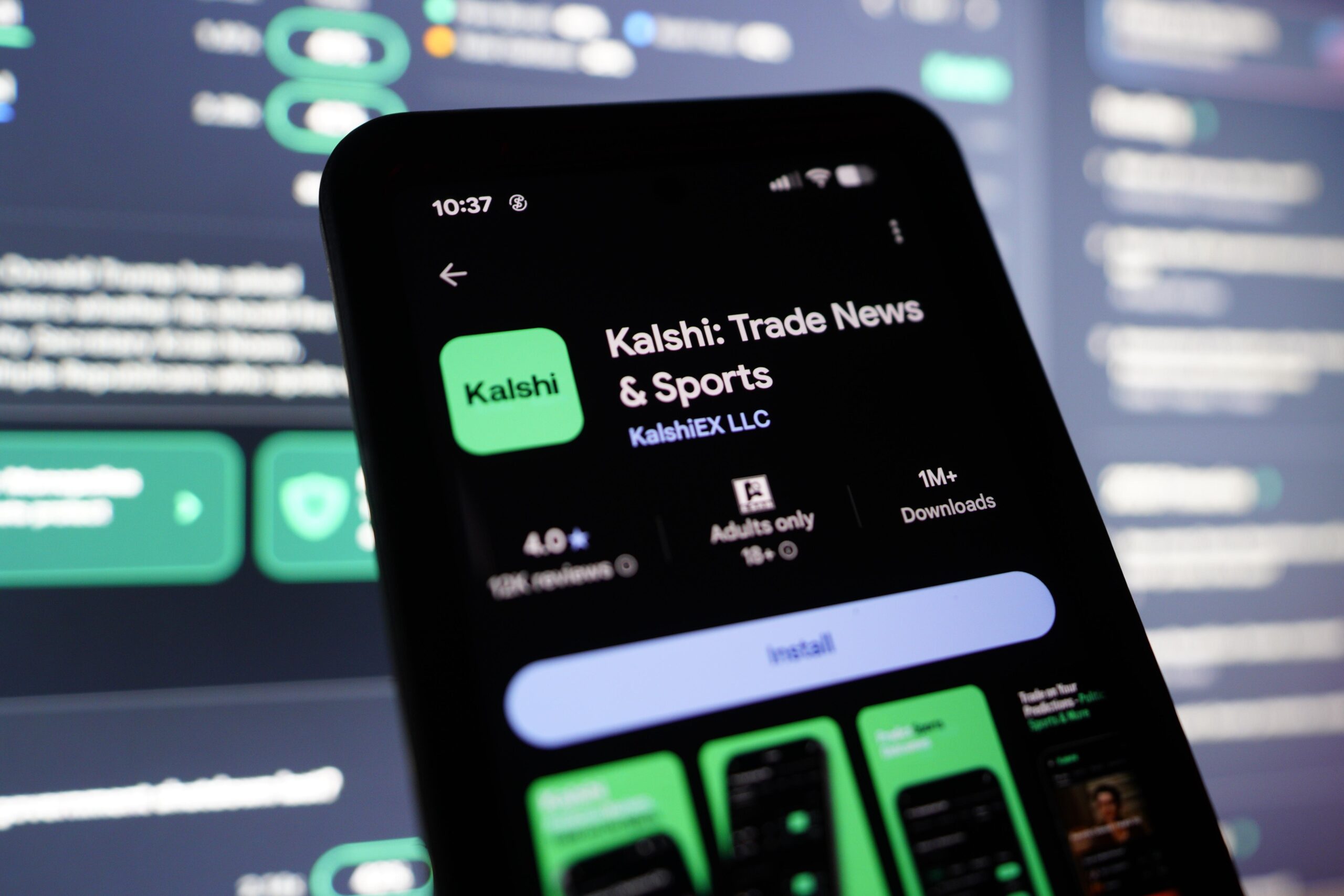
Earlier this week, people on social media expressed outrage over Kalshi’s request to the Commodity Futures Trading Commission to allow qualified traders to use margin on its prediction markets. One user responded, “How can we exploit the lower class further and make them owe the upper class even more money?” This characterization neglects individual accountability and freedom of choice. Just like eating out, participating in betting markets is voluntary. Likewise, nobody is forced to go to Las Vegas and gamble.
The Latin phrase caveat emptor, meaning “let the buyer beware,” is the idea that consumers have a responsibility to do their own due diligence before entering a transaction. Whether it involves prediction markets, sports betting, or slot machines, the internet is full of information about the risks. In a world with near-limitless access to information, especially in the age of AI, individuals have ample resources to understand their decisions and take responsibility for them.
From a technological standpoint, prediction markets have become valuable informational tools. Whether estimating the odds that a California wealth tax will be enacted or that Russia and Ukraine will sign a peace deal, they offer a window into expectations through the “wisdom of crowds.” Allowing margin could contribute to more efficient markets by enabling traders to take positions that reflect their conviction, even if they need more capital to do so. If companies want to finance those positions, however, they should do so at their own risk. Caveat emptor goes both ways.
In a 2025 article about the controversial “Buy Now, Pay Later” technology, I argued that offering voluntary financing is not inherently predatory. Companies should nevertheless recognize that offering unsecured debt carries risk. Federal Reserve research shows that people with lower levels of financial well-being are more likely to use BNPL services. Companies financing prediction-market trades should proceed with similar caution. If users cannot repay their debts, those same individuals may have very little in the way of assets.
The bigger concern about prediction markets should be the potential for insider trading and market manipulation, rather than how adults decide to spend their own money. We allow people to eat sugary foods despite the adverse health effects. The same respect for individual choice should extend to other risky behaviors. Just because something may not be advisable does not mean that it should be banned. Let the buyer, and the bettor, beware.