
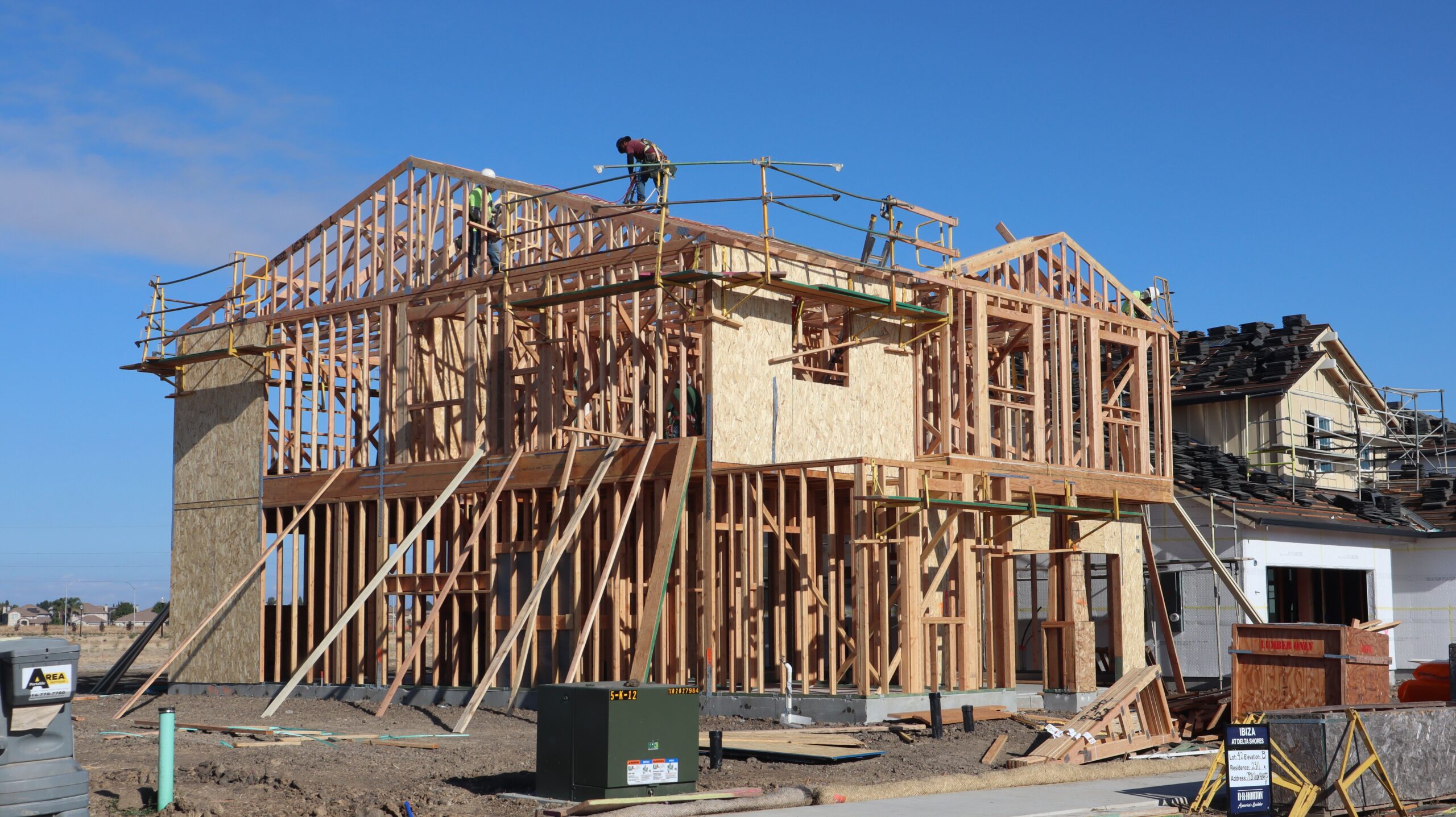
Recently, the law firm Holland & Knight released a report analyzing appellate court decisions involving the California Environmental Quality Act (CEQA) from 2013 to 2023. Among its key findings, housing remains the most common target of CEQA litigation reaching the appellate courts. This data provides further evidence that the way the law is used has drifted far from its original purpose of environmental protection.
CEQA, enacted in 1970, requires state and local agencies to evaluate the potential environmental impacts of certain projects before approving them. As stated by the Governor’s Office of Land Use and Climate Innovation, the law’s intended purpose is to “inform government decision makers and the public about the potential environmental effects of proposed activities and to prevent significant, avoidable environmental damage.”
That goal may sound reasonable on paper. In practice, CEQA has increasingly become a tool for obstructing housing development, exacerbating California’s housing shortage and keeping costs stubbornly high.
Under CEQA, the default standard for environmental review is to produce an environmental impact report (EIR). EIRs are meant for projects that may have a substantial unmitigated impact on the environment. These reports are extraordinarily expensive and time-intensive, routinely costing anywhere from $200,000 to several million dollars and taking a year or more to complete.
Read the full article in The Orange County Register