
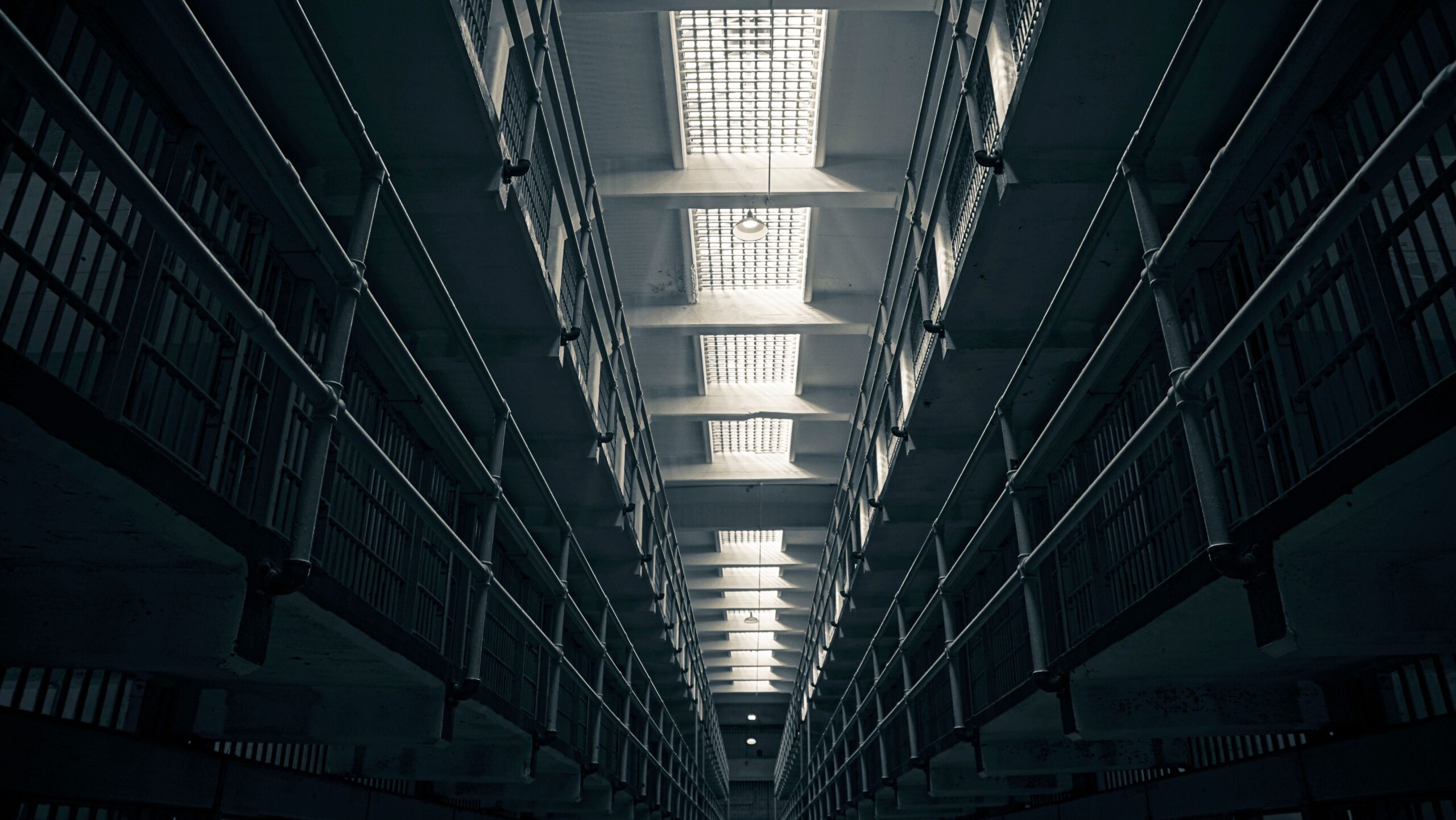
Utah’s Sentencing Commission has finished its 2027 sentencing guidelines. The Commission on Criminal and Juvenile Justice will present them to the legislature during the October interim session, prior to a full vote during the 2027 session.
The biggest changes follow 2026’s House Bill 274, which directed the Commission to revisit how certain serious offenses are treated under the guidelines. For second-degree sex offenses, the second most serious level of felony, the guidelines now recommend prison instead of jail and probation. They do the same for a new group of second-degree offenses that involve serious bodily injury or other serious harm, such as aggravated assault.
The Utah Department of Corrections estimates the changes will add between 195 and 390 prison admissions over the next five to ten years. The cost starts at $2.4 million a year and grows to $21.4 million a year once the changes are fully in place, likely costing taxpayers more than $100 million over the first 10 years. The prison will also likely reach full capacity sooner.
The guidelines themselves say what that money buys. They state that prison “should not be considered a behavior management tool that reduces risk, aside from the initial period of incapacitation.” They cite research finding that time in prison has little deterrent effect on a person after release. They also give a clear direction: “Where incarceration is ordered, it should be paired with effective risk-reduction programming.”
Libertas Institute does not see more prison time as the best path to public safety in most cases. The guidelines’ own words are worth keeping in front of the prosecutors, judges, and Board of Pardons and Parole members who will apply them. The new recommendations are presumptions, not mandates, and each case still turns on its own facts. Nearly everyone sent to prison under them will also come home. The public is safer when people leave prison with less risk than they brought in.
Meeting that goal does not have to mean more spending. It means putting the money Utah already spends where it makes a real difference—education and preparation for post-release employment. A RAND Corporation review of the research found that people who took part in education programs in prison had 43% lower odds of recidivism than those who did not, and that the programs cost less than the reincarceration they prevent. As researchers mapping community reentry have concluded, level of education and post-release employment are the most important predictors of recidivism and the success of an offender’s reentry into the community.
Utah is already on the right track. The Utah Department of Corrections offers more than 20 education programs, from risk-reduction classes to high school diplomas and college degrees, with hundreds of graduates each year. Much of this is paid for by private grants, donations, and federal student aid. What the system lacks is a strong incentive to access these opportunities. Under the state’s earned time credit program, each completed program results in four months off a release date, with mandatory credit topping out at eight months. Expanding sentence credit for education and job training would reward people who do more and send them home ready to work.
Utah also has no pathway from prison into privately funded residential therapeutic communities, which teach people to work, live honestly, and hold each other accountable. They run their own businesses, which train residents and cover operating costs without taxpayer dollars. Greater use of these programs by prosecutors and judges before sentencing, along with a pathway from prison into them, would free beds for the serious offenders these guidelines target.
Accountability for serious harm matters. It works best when the time a person serves changes the person serving it.
As legislators weigh the new guidelines, they should ask how the state will get the most from the money it already spends, and how it will measure what works. The guidelines set the sentence. What happens during that sentence decides whether the public is safer when it ends.