IN THE NEWS
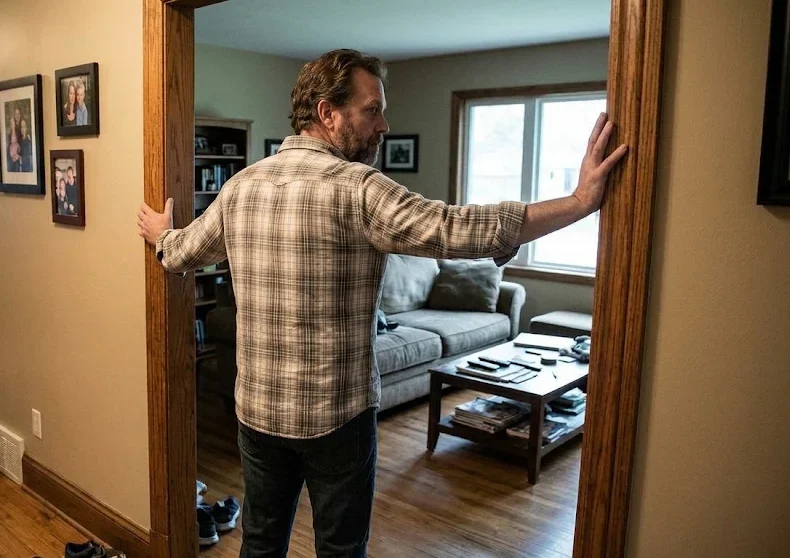
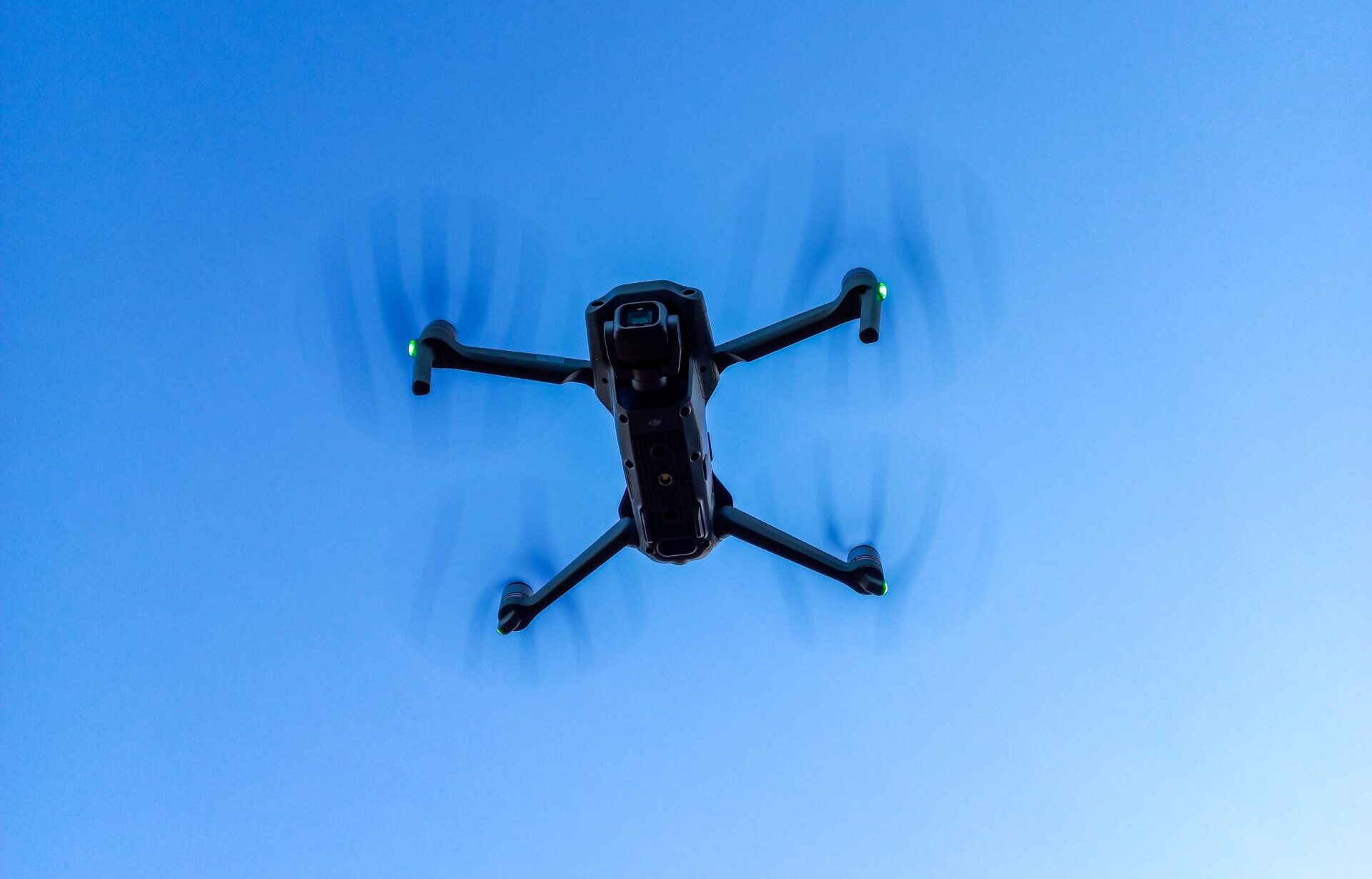
In a recent Salt Lake Tribune letter to the editor, a Salt Lake City resident described an SLCPD drone hovering over his backyard for approximately 20 seconds while he was grilling, despite no apparent emergency. His experience raises an important question: When does a public-safety tool become a surveillance tool?
HERE’S MY TAKE
SLCPD’s own website promises:
“At no point will we use an unmanned aircraft for random surveillance of any private property.”
Whether this particular flight violated that promise remains unclear, but that’s precisely the problem: Utahns deserve transparency about how surveillance technologies are deployed and used.
From police drones to automated license plate readers (ALPRs), technologies capable of monitoring our movements and activities are becoming increasingly sophisticated. While these tools may serve legitimate public-safety purposes, internal policies and promises alone are insufficient safeguards.
Government agencies should be required to obtain affirmative approval through a transparent public process before deploying new surveillance technologies, with clear limitations on their use, data retention, and oversight.
CLOSING
Utahns shouldn’t have to discover the extent of government surveillance by looking up and finding a drone overhead. Privacy protections and public accountability should come before deployment, not after.