Most Utah families want more control over their children’s education. So how is Utah doing?
According to a recent report from the American Legislative Exchange Council (ALEC), Utah is doing well in many areas. Charter schools, homeschooling, virtual learning, and open enrollment all earned “A’s” and “B’s.” But one part of the report stands out, Utah received a “C” for student‑centered funding programs. That lower grade comes from problems within the Utah Fits All Scholarship Program.
The Utah Fits All Scholarship Program is an Education Savings Account program that any K–12 student in the state can apply to use. These accounts allow families to use educational funding for options outside their assigned public school. This includes private school tuition, homeschooling, tutoring, and other educational expenses.
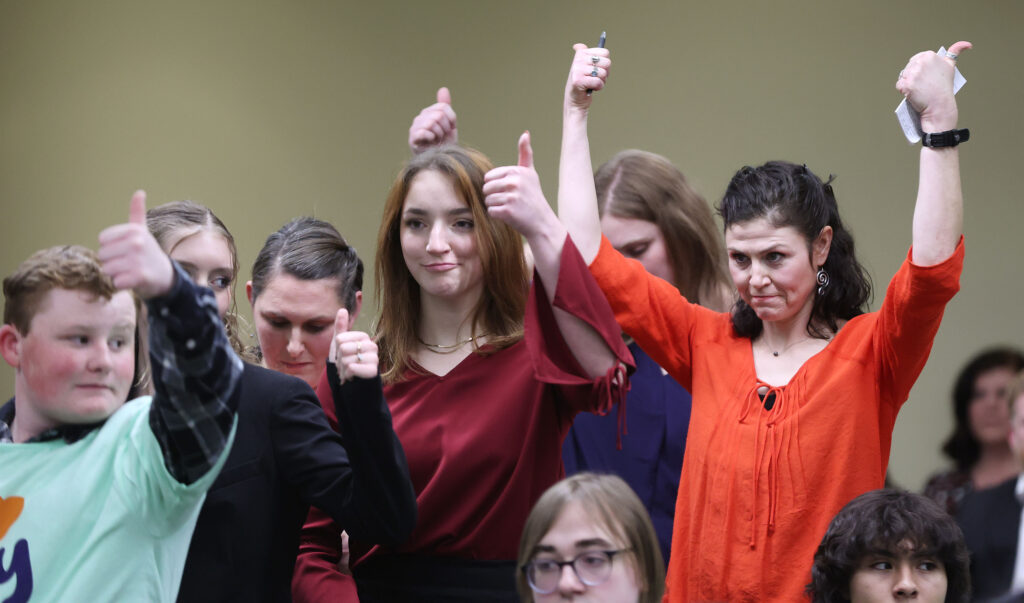
Having universal school choice is great, but there is one major issue. Even though the program is open to all students, lawmakers decide how much money it receives each year. Right now, that funding limit is around $100 million, which means the Utah Fits All Scholarship Program can only support 12,000 to 15,000 students in the state. When more families apply than there are spots available, many are turned away even though they qualify. Access depends on budget limits, not student needs. That’s why ALEC gave Utah a lower grade.
There are two simple ways Utah can fix this problem. First, the funding capacity could be raised high enough to cover every student who applies. That way, if families want to use the Utah Fits All Scholarship Program, the money would be there to support them. Secondly, legislators could tie the program to Utah’s public school funding model. Public schools receive funding for every student enrolled. If Utah Fits All worked the same way, funding would automatically grow as more students participate. Both of these solutions allow funding to follow the student. When access is driven by family choice rather than arbitrary budget limits, real opportunity exists for every student interested in individualized learning opportunities.
Utah’s lawmakers should consider making these changes in legislation because parents know their children best and deserve a system that supports their family’s needs. Utah is already a national leader in education freedom in many ways. But updating the Utah Fits All Scholarship Program to remove the yearly funding cap will give more students access to individualized education, and the state can move even closer to an “A.”
A higher ranking is always welcome, but what matters most is serving Utah families.