
A Rescue Plan for Utah’s Young Families and the Dream of Homeownership
Utah has rapidly shifted from being one of the more affordable housing markets in the nation to one of the least. Even modest, dated homes in need of repair often cost $500,000 or more. This leaves young families, even those earning six figures, struggling to qualify for a mortgage.
At the same time, residents of all ages often can’t use their property to build a small backyard cottage for an elderly parent, recently graduated child, or to rent out to a young couple trying to get their start. They are also often prevented from using their homes to offer childcare, grow and sell food, or provide other basic neighborhood needs that could help them earn additional income and strengthen their community.
The Problem
Our research shows that both rising housing costs and excessive limits on property use come from the same source: the erosion of basic property rights and overly restrictive zoning regulations that block owners from building needed homes and businesses.
Our Policy Solution: A Campaign to Legalize Family-Friendly Neighborhoods
To help young couples achieve their dream of homeownership, some have proposed using taxpayer funds, price controls, or creating new government programs. Instead of subsidies or additional layers of regulation, we propose a slate of reforms that will restore basic property rights and legalize family-friendly neighborhood homes and services.
- Legalize Starter Homes
- Allow Small-Lot Starter Homes: Allow detached homes on lots as small as 1/8 acre (5,445 square feet) with reduced setbacks, 48-foot lot width, and more flexible lot coverage requirements.
- Permit Cottage Court Starter Homes: Allow detached homes on approximately 1,700-square-foot lots arranged around shared amenities with reduced setbacks and no frontage requirement.
- Make Carports Great Again: Let homeowners meet parking requirements with carports or parking pads—not just garages with roll-up doors.
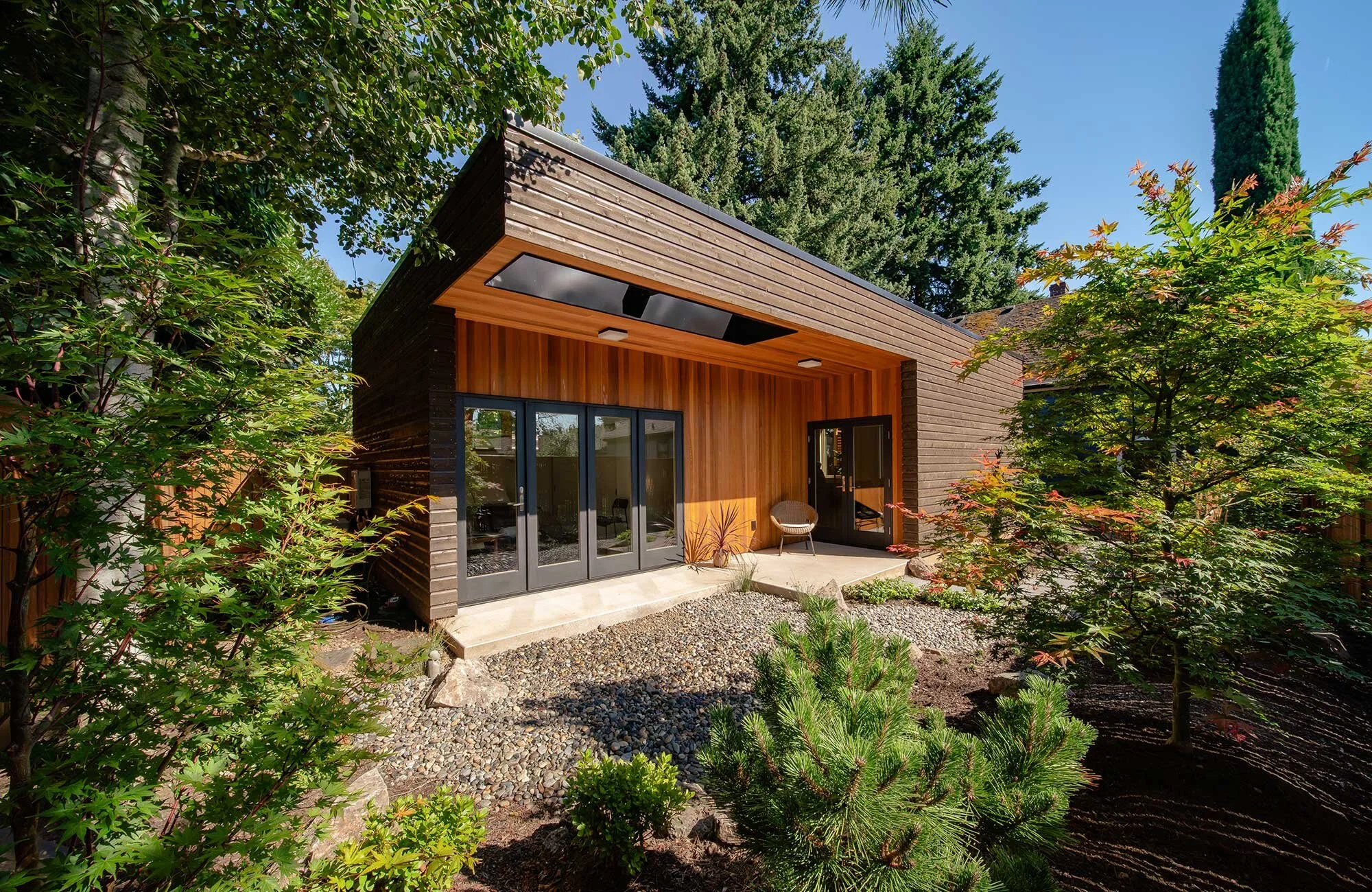
- Allow Backyard Cottages: Let homeowners build Accessory Dwelling Units (ADUs)—attached or detached—with reduced setbacks and appropriate size and lot coverage standards.
- Legalize Childcare and Education
- Support Microschools: Reform zoning and occupancy rules to permit small-scale schools in all zones.
- Allow More Daycares: Reform zoning to allow child care operations in all zones.
- Legalize Homegrown Commerce
- Encourage Home-Based Businesses: Permit low-impact home-based businesses, such as bakeries and hair salons.
- Permit Growing and Selling Food: Let residents grow food in any yard and run seasonal or mobile farm stands or product stands, subject to design and operational standards.
When it comes to housing and zoning reform, Utah’s policy landscape is shaped by numerous task forces and committees that advise the legislature. This makes the path to reform more collaborative—and more complex—than most other policies. Libertas is included in these deliberations and our recommendations carry weight.
Success will also require sustained engagement with local governments. In Utah, as in other states, local governments operate with delegated authority, with the state setting guardrails on taxation, criminal justice, and land use powers. As a result, some reforms may take multiple years of collaboration and compromise with local officials before they can be fully realized.

Our recommendations will emphasize local flexibility while ensuring individual property rights are meaningfully expanded. For example, our recommended framework for legalizing starter homes sets clear lot standards to make such homes feasible but leaves cities with discretion in applying them—whether citywide, in specific zones, or through overlays. We also advocate reducing other state requirements for cities that adopt a starter home policy.
In short, we recommend state guardrails on zoning only to restore authority to where it rightfully belongs, the individual property owner, rather than one-size-fits-all government regulations. By doing so, Utah can both uphold the principle of individual rights and open the door for young families to put down roots, achieve homeownership and pursue their broader dreams and aspirations.