Let’s Rethink Chicken Ownership in Cities

This op-ed originally appeared in City Weekly on September 11, 2024.

Imagine your city—like Washington Terrace in Weber County—is about to decide whether to allow residents to keep backyard chickens. While it might seem like a niche issue, it reflects broader trends in how cities are rethinking property owners’ freedoms.

From a liberty standpoint, owning chickens is not much different from owning cats or dogs. Animal ownership comes with responsibilities such as feeding, sheltering and maintaining sanitary conditions. Although caring for chickens may be new to some, it’s well within the average person’s ability to manage.
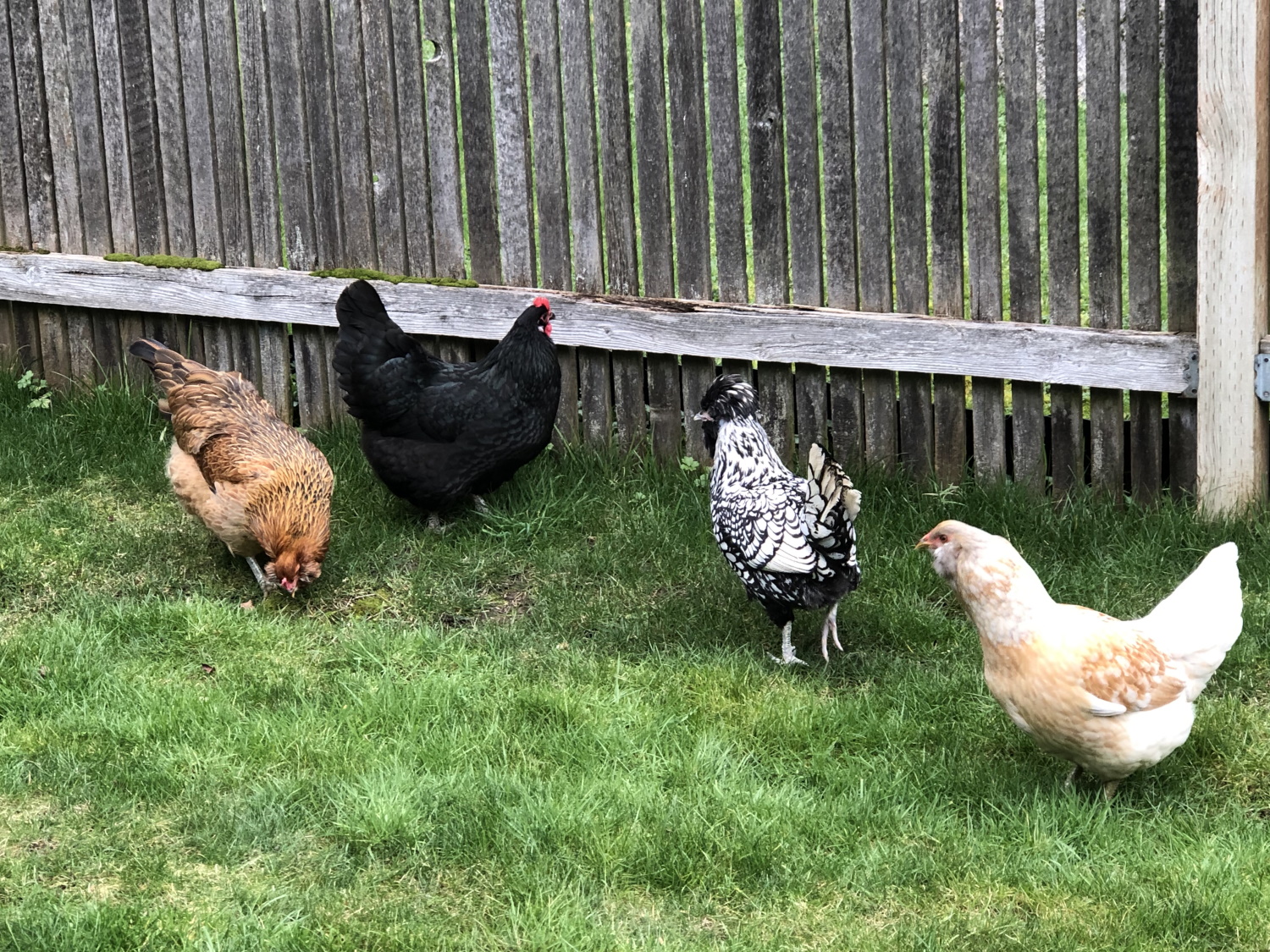
Concerns about noise and odors often surface in debates over animal ownership. However, when properly cared for, the noise and odors from chickens are minimal and hardly noticeable, even in close quarters.

City regulations on backyard chickens should be straightforward, focusing on key issues like noise, odor and sanitation. Farmington, for example, offers a great example of how to regulate backyard chickens effectively. They avoid unnecessary rules, such as requiring permits and fees, imposing overly strict limits on the number of chickens, or banning them on smaller lots. This approach balances the needs of residents while keeping the regulations simple and fair.


Author Profile Image
About the author

Lee Sands

Lee is the Local Government Policy Analyst at Libertas Institute, drawing on his research and entrepreneurial experience to inform and assist elected officials and the general public. He focuses on issues most relevant to local governments, such as land use, taxation, and business regulation. His work addresses the regulatory hurdles that matter most to families, small businesses, and entrepreneurs. A native of rural northeast Florida, Lee moved to Provo, Utah in 2004. Before joining Libertas, his path ran through the private sector in technical writing, journalism, and small business, giving him firsthand experience navigating the regulatory environment he now works to improve. He graduated from BYU and attended the Vermont College of Fine Arts. Outside of work, he enjoys time with his family, the outdoors, history, and creative pursuits.

Share Post:

Fighting for a Future Where Individuals Are Fully Liberated to Pursue Their Dreams, Free from Coercion and Control.

You Might Also Like

In one city, the government imposes land-use regulations that make those types of housing difficult or impossible to build. In another, property owners have much more freedom to subdivide their land and build the housing they want.
If restaurants truly tried to levy exorbitant prices that were beyond their customers’ willingness to pay, they would lose business. This phenomenon has been witnessed time and time again.
Nationally, the share of jobs requiring a government license has grown from about 5% in the 1950s to roughly 22% today, according to the National Bureau of Economic Research.

Help us Nail and Scale Policies to Reduce Government Control

Your tax-deductible contributions to Libertas Institute increase freedom across the country.