This op-ed originally appeared in Deseret News on July 5, 2024.
When the Declaration of Independence was first penned, it was a bold proclamation aimed at securing the freedoms and rights of a fledgling nation. While many of those freedoms have been preserved over the last two centuries, others have begun to slip away, almost unnoticed. Among these lost liberties is the freedom to use one’s property as one sees fit.
The neighborhood corner store
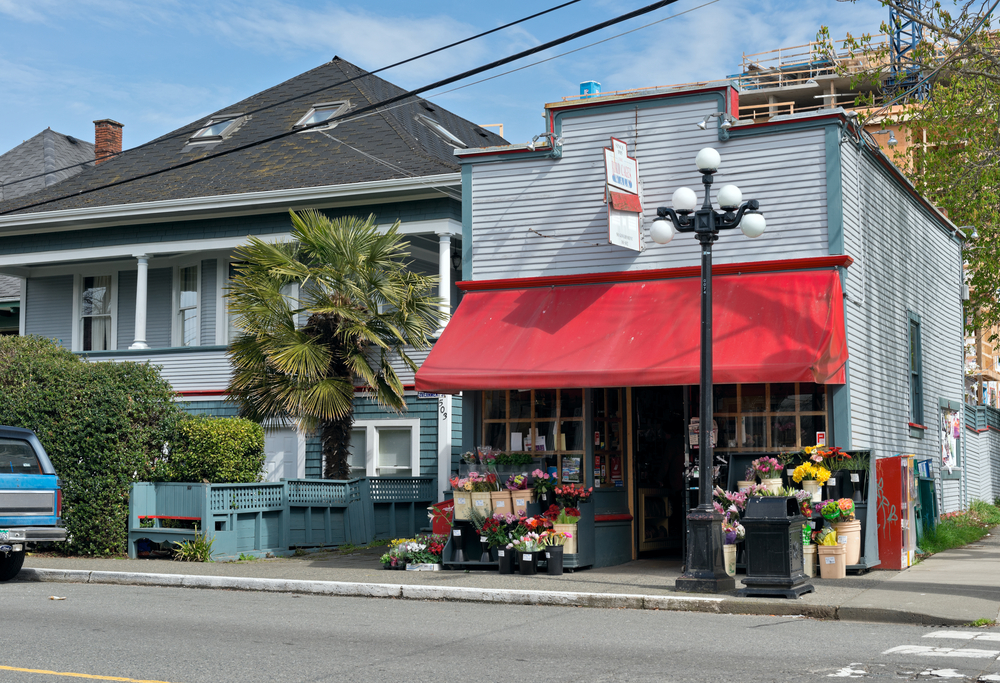
The neighborhood corner store was once a vibrant community hub. With baskets of colorful produce outside, inexpensive treats and sodas for kids and meat from nearby farms, these stores were more than just places to shop. They were gathering spots where neighbors and families bonded. Homemade goods added a personal touch, reinforcing the store’s role as a community pillar.
Today, most of these beloved corner stores have vanished, their absence felt in neighborhoods across the country. A significant factor in their disappearance is the impact of stringent zoning laws — laws that came about in the 1920s — that rendered many neighborhood businesses illegal. Modern zoning regulations, with their strict separation of commercial and residential uses, leave little room for the quaint, neighborhood-friendly corner store. With the loss of freedom to build a corner store came the loss of the personal interactions and local character that they fostered.
The vanishing starter home
In a state with an acute housing affordability crisis, the loss of the freedom to build homes of our own choice is particularly poignant. During the founding era and into the 1920s, residents had the freedom to buy large tracts of land for farms or small lots for a humble starter home. This flexibility allowed families to establish roots, build wealth and create communities tailored to their needs. The ability to purchase and develop land according to individual preferences was a cornerstone of the American dream, fostering a sense of ownership and self-determination.
Today, stringent zoning regulations have dramatically restricted these freedoms. Land is so tightly regulated that buying one-eighth of an acre for a small home is illegal in almost the entire state of Utah. This has led to a significant reduction in the availability of starter homes, exacerbating the housing crisis and preventing many from achieving homeownership.
A place to house your family
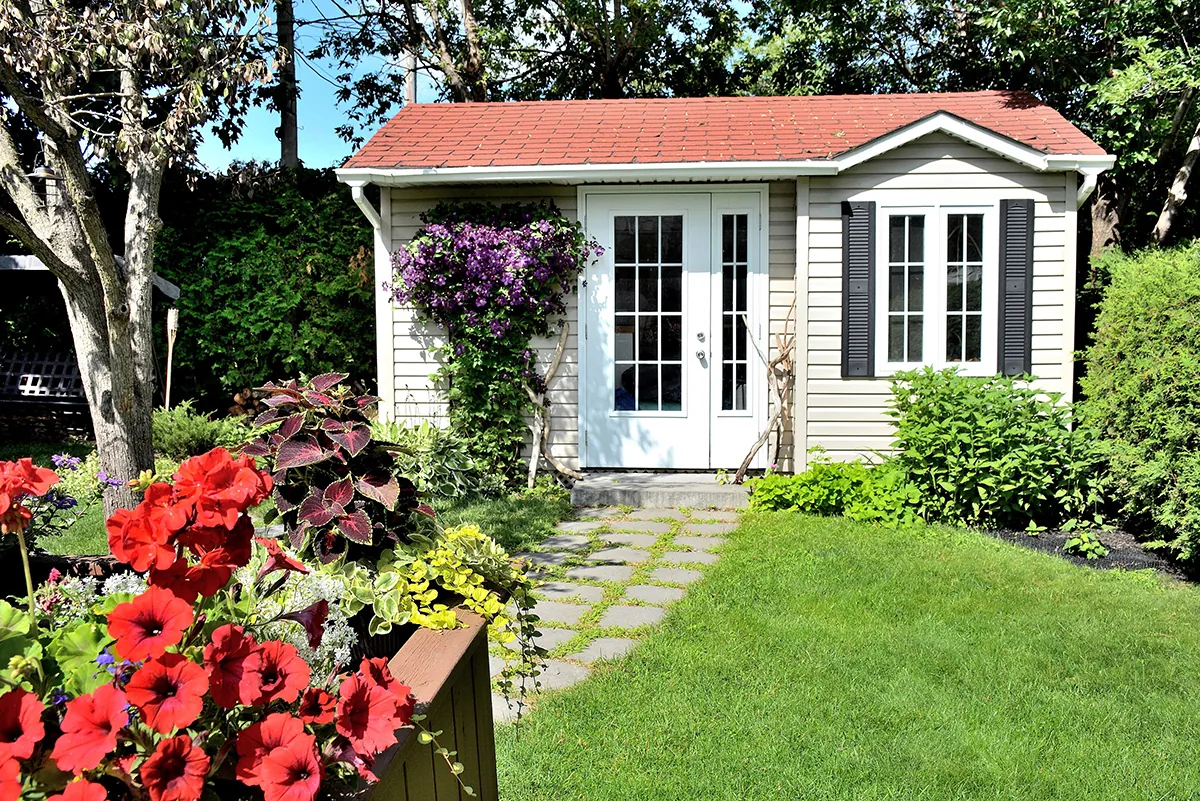
When the declaration was signed, if you wanted to build a backyard cottage on your property, resources were your only obstacle. Today, the freedom to build what are now known as accessory dwelling units has either been lost or subject to a long list of regulations. For example, in some areas, backyard accessory dwelling units are outright banned. In others, accessory dwelling units have to be further from the property lines than garages need to be. Other regulations include height restrictions and aesthetic mandates.
The freedom to make a living
For thousands of years, humans have enjoyed the freedom to make a living from their homes. This often involved two- or three-story buildings where the family lived on the upper floor, with the ground floor dedicated to their business. Whether it was a tailor fitting and sewing clothing or a carpenter making furniture, these home-based enterprises were an important part of the community’s economy.
In America today, running a business from home is fraught with regulatory hurdles and zoning restrictions. While someone may be able to get a permit to do computer programming from home, something as harmless as running a salon or small bakery is often not allowed.
The loss of this freedom not only impacts economic independence but also diminishes neighborhood economies. The tailor’s shop, the baker’s kitchen and the artisan’s workshop are now rare sights, replaced by homogenized commercial districts. Reclaiming the freedom to run a business from home could revitalize communities, promote entrepreneurship and restore a sense of local identity and pride.
The way forward
As we reflect on the freedoms celebrated in the Declaration of Independence, it is essential to acknowledge those we have lost along the way. The corner store, the home-based business and the starter home are more than nostalgic memories; the freedom to build them are important elements of a free society. By recognizing and addressing these losses, we restore our right to structure our governance according to our own judgment.