Salt Lake City, UT (November 16, 2015) — A new lawsuit will be filed tomorrow morning seeking to overturn a recently enacted law that compels private non-profit organizations to publicly disclose the personal information of their donors when the organization spends $750 or more on political activity in a single year. The brief alleges that this law—House Bill 43, passed in the 2013 legislative session—is unconstitutional under the First and Fourteenth Amendments.
Libertas Institute is a plaintiff in the lawsuit, along with the Utah Taxpayers Association.
- What: Announcement of a new lawsuit against Lieutenant Governor Spencer Cox, Attorney General Sean Reyes, District Attorney Sim Gill, and District Attorney Jeff Buhman
- Where: Utah Capitol, Presentation Room (first floor, next to Visitor’s Center)
- When: Tuesday, November 17, 10am
House Bill 43 was sponsored by now-Speaker Greg Hughes, and was filed in response to a political consultant’s illegal use of non-profit organizations to hide the identity of the source of his donors—from the payday lending industry—to fund a negative campaign against Representative Brad Daw, who had sought to regulate the industry’s practices.
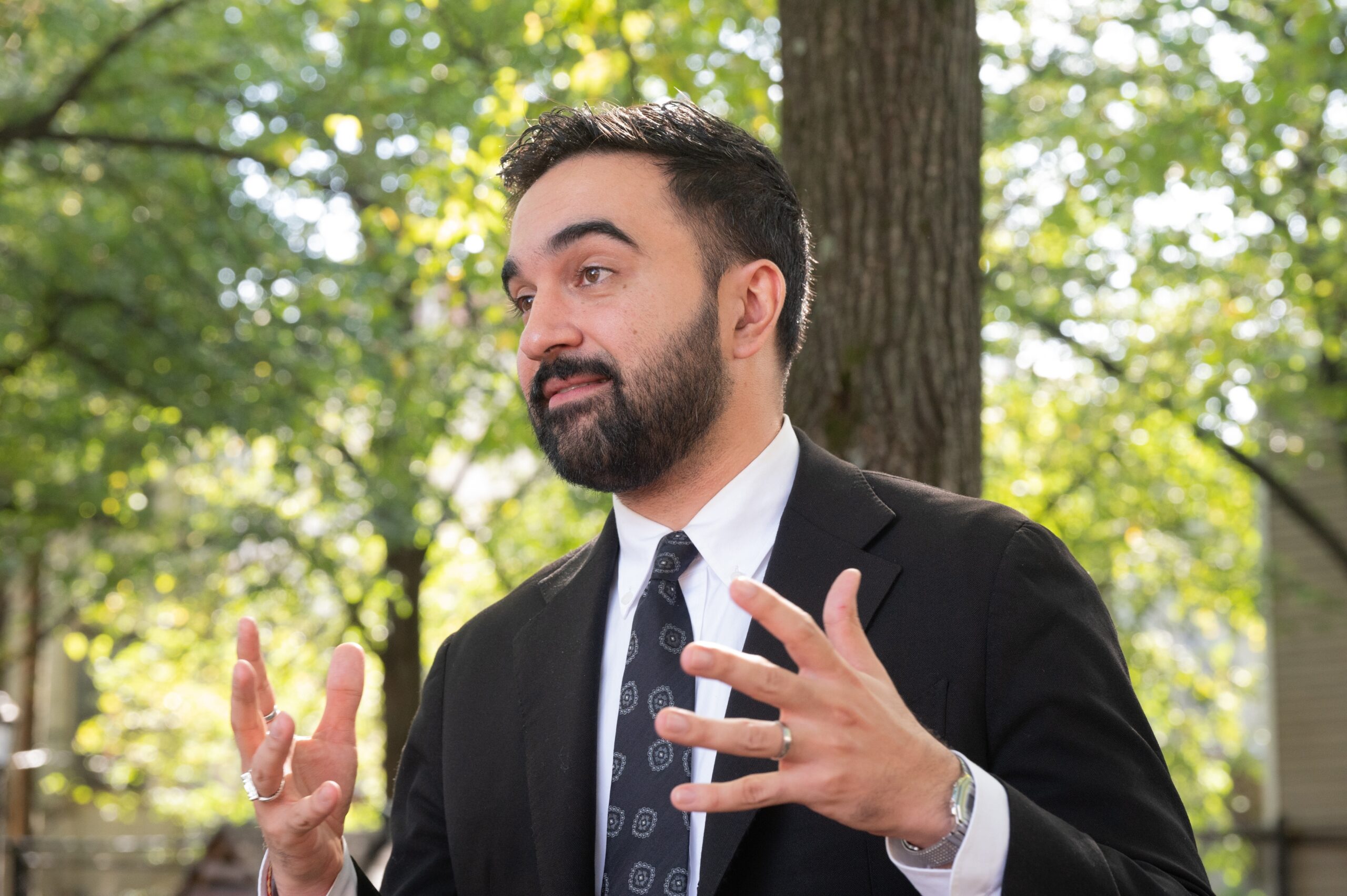
“Free speech and association are fundamental aspects of what it means to be an American—and Utahn,” said Connor Boyack, president of Libertas Institute. “They should not be undermined because of rogue political consultants and reactionary legislatures. We look forward to the judicial scrutiny this lawsuit will bring and are hopeful that this problematic law will be declared unconstitutional.”
The plaintiffs in the case are represented by Allen Dickerson and Owen D. Yeates, attorneys working with the Center for Competitive Politics.