
The freedom to use your property as you see fit represents one of the most direct paths to economic opportunity and the exercise of personal freedom. However, Utah residents often find that path narrowed by regulations that limit not just what they can build, but how they can use their homes and land to generate income and build better lives. Each legislative session brings new chances to change that, and this past session was no exception.
While not an exhaustive list, the following highlights key legislation from this past session that we tracked this session.
✅ Backyard Cottage Legalization
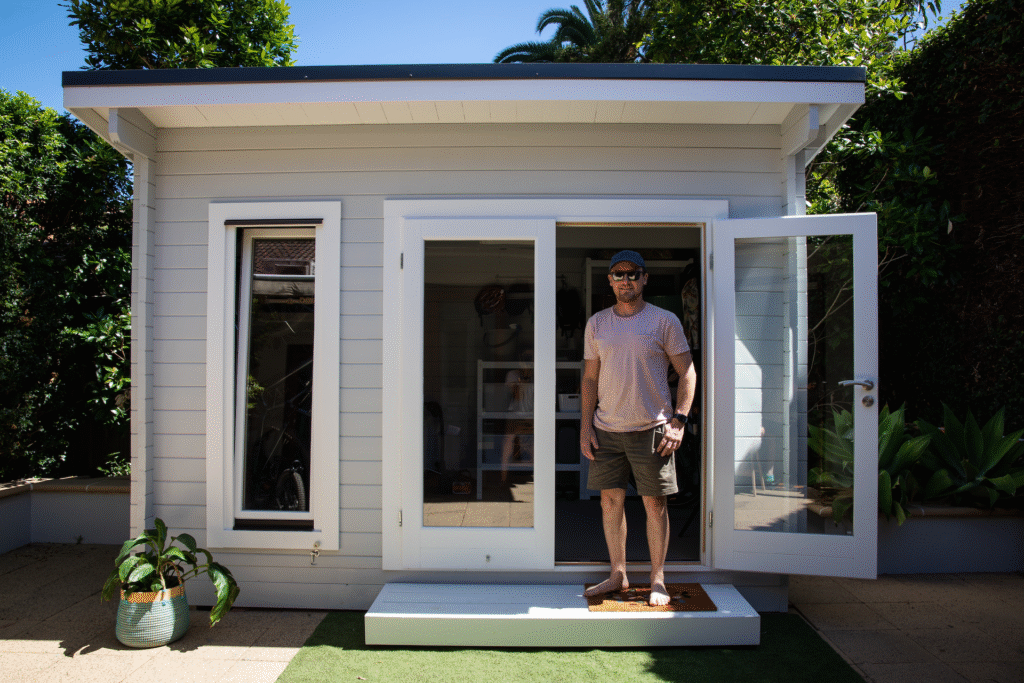
SB284, sponsored by Sen. Lincoln FIllmore and containing language originally introduced by Rep. Jill Koford, expands Utah’s existing statute governing accessory dwelling units to include detached ADUs. The bill specifies that almost every city with a population of 5,000 or more have until October to update their ADU ordinances, with discretion over lot size thresholds, height limits, setbacks, and other requirements.
Due to the consensus nature of this reform, including broad support from local governments, the bill became a vehicle for a series of technical changes to other land use provisions.
Our Take:
ADU reform represents one of the clearest wins for property rights this session. We, and many Utahns, understand local control to mean the freedom for individual property owners to make reasonable use of their land, subject to basic safety and parking standards. Allowing a homeowner to build a backyard cottage for a family member or to rent to others is exactly this kind of reasonable use. It is also a practical, property-rights-based answer to Utah’s pressing housing needs.
❌ Clock Runs Out on Flower Stands
Sometimes a bill fails not because of opposition, but because the legislative calendar simply runs out. HB483, sponsored by Rep. Doug Owens and Sen. Heidi Balderee, would have legalized the sale of cut flowers from a home or property. It had broad support but never got its moment on the house floor.
Our Take:
Many assumed this was a concern we brought to the legislature, but credit actually goes to the Utah Farm Bureau. We supported the bill because selling flowers from your own property is exactly the kind of reasonable, productive land use that shouldn’t be prohibited by the government in the first place. We hope to see it return next session, and ideally expanded to cover other small-scale sales of homegrown goods. The freedom to use your land to grow, sell, and provide food or services to your neighbors is a cause we have long supported, and an idea we intend to champion more going forward.

🟡 Money is Property Too!
Property rights don’t stop at the lot line. The money you earn is yours too, and how the government taxes it deserves the same careful attention as any land use issue.
- SB60 sponsored by Sen. Dan McCay and Rep. Steve Eliason decreased the state income tax from 4.5 to 4.45%. We’d love to see more substantial cuts to the state income tax, but we are pleased that the legislature has reduced rates for the sixth year in a row.
- HB 575, sponsored by Rep. Cal Roberts and Sen. Brady Brammer, temporarily cuts the motor fuel tax by about 6 cents per gallon, roughly 16% of the state fuel tax, from July through December 2026. Potentially more significant are provisions in the bill that streamline permitting for pipelines and fuel infrastructure.
- HB 236, sponsored by Rep. Karen Peterson and Sen. Dan McCay, improves Utah’s Property Tax Truth-in-Taxation system by requiring local governments to publish preliminary notices of proposed tax increases and present alternative budgets showing what operations would look like without them. We hope this gives residents a way to more meaningfully engage when tax increases are proposed.
- HB 170, sponsored by Rep. Rex Shipp and Sen. Lincoln FIllmore, would have made school district tax increases subject to voter referendum. Every other political subdivision already meets this standard, and exempting school districts, which impose the largest share of most property tax bills, is a policy inconsistency we hope the legislature revisits.
❌ Utah Finished With Starter Homes?
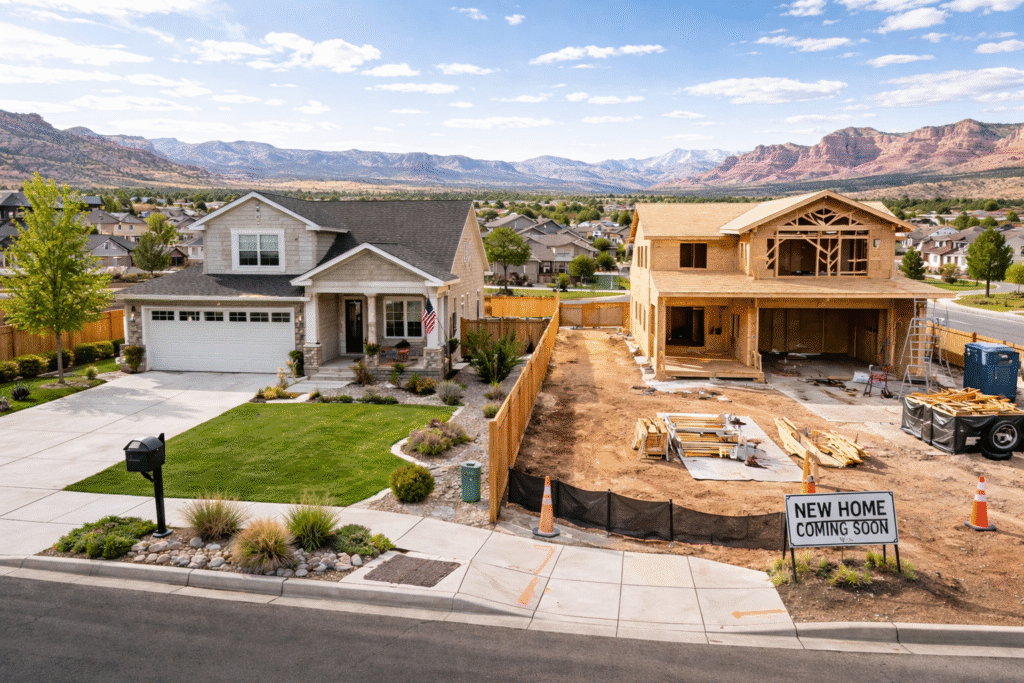
HB184, sponsored by Rep. Ray Ward and Sen. Lincoln FIllmore would have streamlined the process for a property owner who wanted to split their lot to build a single family home on ⅛ acre. The bill was careful to allow cities to deny any specific lot split, but the bill was nevertheless strongly opposed by local governments and successfully defeated in committee.
Our Take:
Ideally, the government should not be dictating lot sizes to individual property owners in most cases. While the bill did not pass, we were very encouraged by the resulting conversation around some of the concepts in the bill. Many legislators were clearly intrigued by the core idea. We are hopeful that lawmakers will return to this issue with a proposal that addresses cities’ specific concerns while preserving the important goal of allowing starter homes to be built.
2026 Legislative Session: Progress and Setbacks
In our estimation, the 2026 legislative session was a mixed bag for the freedom of individuals to use their property as they see fit. The struggle to return local control to property owners is far from over. While we were disappointed by the outcomes of certain bills, we remain committed to greater individual freedoms, recognizing that the success of these efforts requires persistence and collaboration with residents, local governments, and state lawmakers alike.
Looking ahead, we hope that future legislative sessions and city council meetings will bring more opportunities to champion property rights. With continued advocacy, we can build a Utah where residents use their property more freely, housing needs are met, and economic opportunity expands for everyone.