Legislature Calls Local Governments Not to Take Revenue Spikes for Granted

While many businesses closed their doors, downsized, or otherwise dealt with the negative financial impact of the coronavirus pandemic during 2021, the amount of tax revenue state and local governments received was actually at a record-breaking high

Notably, revenue has increased from a wide variety of sources, including increases in income, sales, and other taxes. Sales tax increases are particularly relevant to lawmakers in counties, cities, and towns as sales tax revenues are one of their primary sources of revenue.

This unexpected increase in revenue has left governments throughout Utah not only with the question about how to spend the surplus but also with the decision about how it should affect budgets.

During this discussion, Senator Lincoln Fillmore sponsored Senate Concurrent Resolution 7, which contains a much-needed message of caution — don’t assume spikes in revenues continue indefinitely. In addition to calling on local governments to consider any above-trend tax revenue as one-time revenue when setting budgets, the resolution also urges the need to consider federal relief funds as temporary.

Luckily, others in the state Legislature agreed with the message — the resolution passed without a single no vote. The governor also promptly signed the resolution when it passed relatively early in the legislative session.

We at Libertas are pleased to see the much-needed message of fiscal responsibility contained in Senator Fillmore’s resolution unanimously approved — especially as we continue to see record growth and the possibility for more financial volatility in the future. 
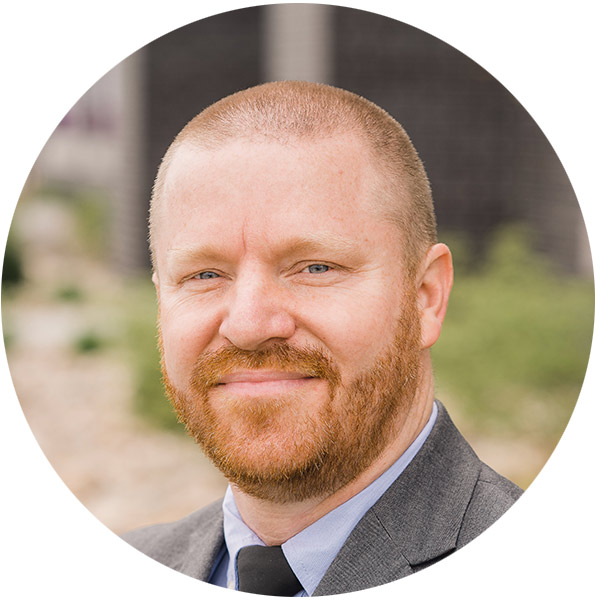
Author Profile Image
About the author

Lee Sands

Lee is the Local Government Policy Analyst at Libertas Institute, drawing on his research and entrepreneurial experience to inform and assist elected officials and the general public. He focuses on issues most relevant to local governments, such as land use, taxation, and business regulation. His work addresses the regulatory hurdles that matter most to families, small businesses, and entrepreneurs. A native of rural northeast Florida, Lee moved to Provo, Utah in 2004. Before joining Libertas, his path ran through the private sector in technical writing, journalism, and small business, giving him firsthand experience navigating the regulatory environment he now works to improve. He graduated from BYU and attended the Vermont College of Fine Arts. Outside of work, he enjoys time with his family, the outdoors, history, and creative pursuits.

Share Post:

Fighting for a Future Where Individuals Are Fully Liberated to Pursue Their Dreams, Free from Coercion and Control.

You Might Also Like

The White House’s new AI framework calls for a light national standard to avoid a chaotic patchwork of state laws, protecting innovation, free speech, and economic growth while targeting real harms.
West Virginia is the latest state to empower gig workers with portable benefits.
In a system where the rules must apply to everyone, any difference in perspective quickly turns into a political conflict.

Help us Nail and Scale Policies to Reduce Government Control

Your tax-deductible contributions to Libertas Institute increase freedom across the country.