This op-ed originally appeared in City Weekly on October 23, 2024.
Utah’s housing crisis is only getting worse, and NIMBYism (“Not In My Backyard”) is a recurring obstruction to meaningful solutions.
NIMBYism, in this case, refers to pushback against building high-density housing and diverse home types in Utah—from duplexes to accessory dwelling units (ADUs).
The status quo, where single-family homes dominate and “density” is treated like a dirty word, is unsustainable. More than 80% of Utah households are priced out of new homes, with median home prices hovering near $600,000. Our housing market caused this by holding on to outdated perceptions and local regulations that restrict creative design solutions.
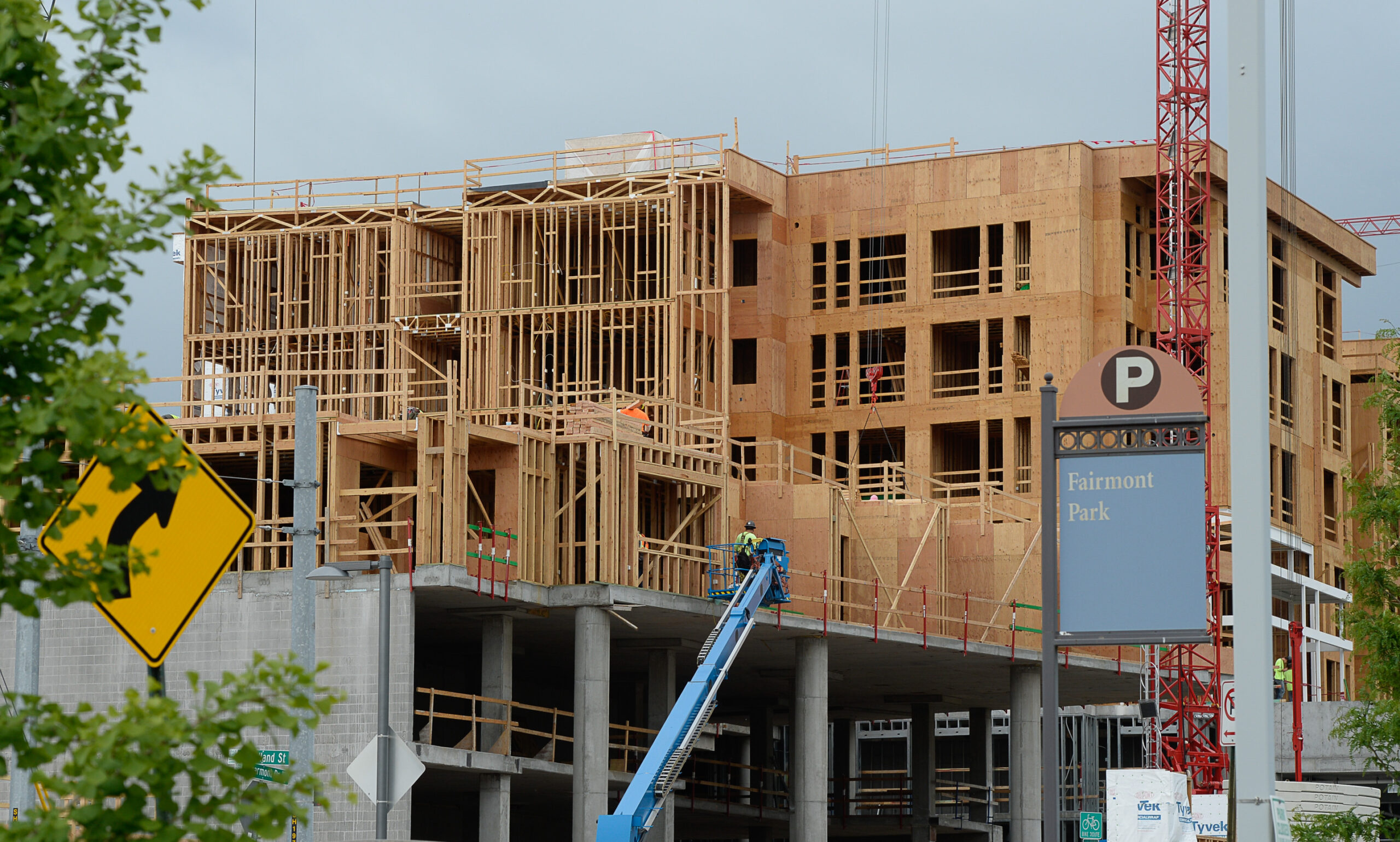
Utahns need to understand that fears surrounding density—like the idea that it decreases property values or invites crime—are largely unfounded. In fact, studies show that smart, well-designed, dense housing can increase property values, improve walkability and strengthen the sense of community.
If we want to ensure future generations can live close to family and maintain the strong social ties that Utah is known for, we must embrace a wider variety of housing types.
Smaller-lot homes, ADUs, apartments and mixed-use developments can provide much-needed affordability while preserving the unique character of our neighborhoods.