As the United States grows, the need for cleaner, more abundant energy is obvious. Utah’s predicament is no different. We face an escalating energy crisis driven by population growth, electrification, energy-intensive industries, and the retirement of aging power plants.
Enter “Operation Gigawatt.” This is Utah’s ambitious roadmap to double the state’s energy output over the next ten years, with nuclear energy taking center stage.
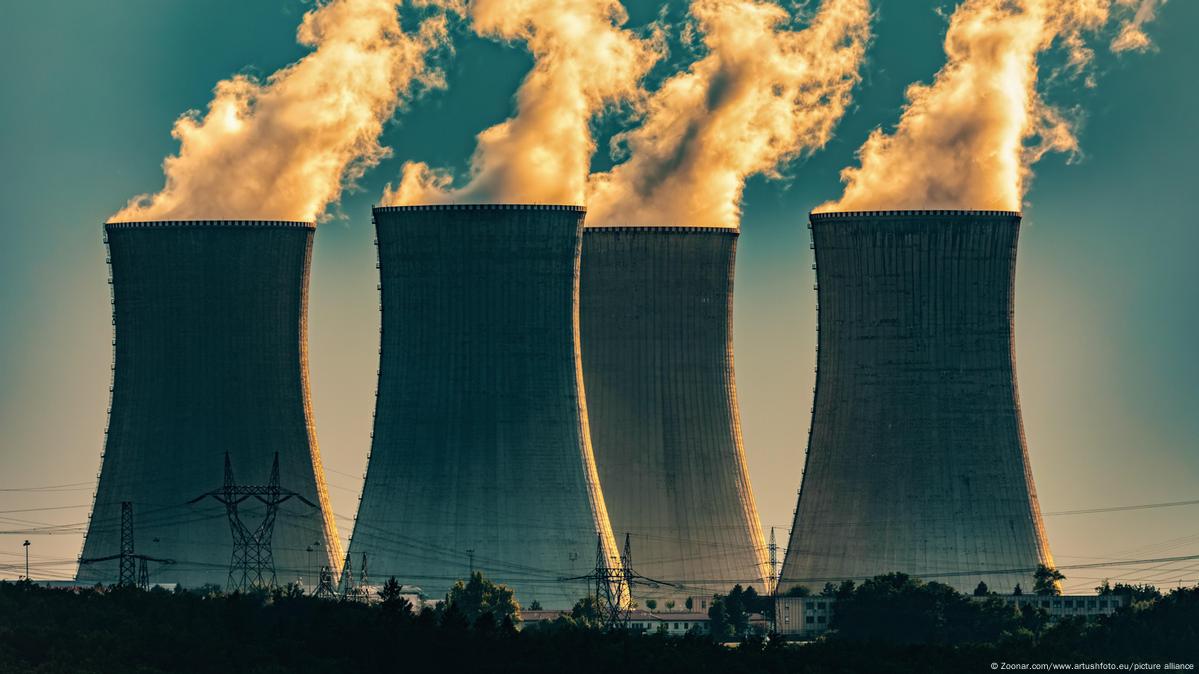
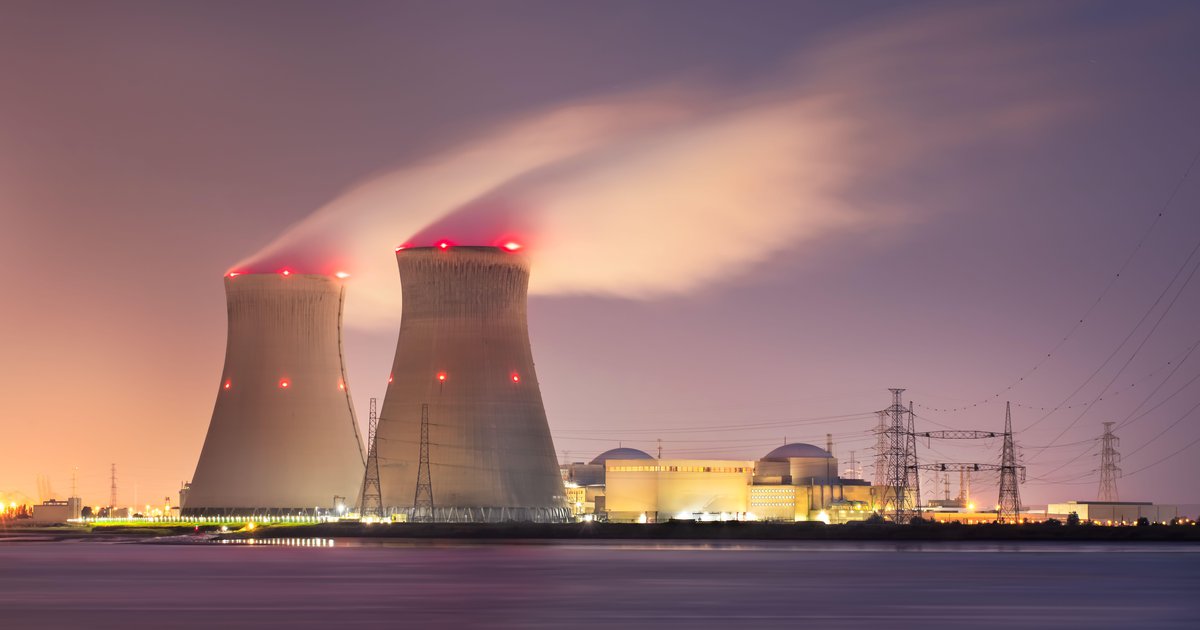
With Utah’s population expected to grow by 2.2 million by 2060, energy demand is set to skyrocket. Industries like AI and data centers alone could soak up 9% of U.S. electricity by 2030- that’s as much power as Japan produces. And with 67% of Utah’s 24/7 power plants set to retire within the next two decades, “Operation Gigawatt” has a clear target: expand transmission, boost production, bring nuclear into the mix, and invest in the kind of research that can actually keep up with Utah’s needs.
A cornerstone of Utah’s plan is the Strategic Nuclear Energy Pathway, a step-by-step guide for getting nuclear energy up and running in the state. It covers everything from site selection to permits and even looks at how retiring coal plants could be converted into nuclear facilities to save on costs—potentially cutting capital expenses by up to 35%. The idea is to streamline the process by aligning Utah’s regulations with federal standards, making it easier and faster to build. It’s a solid roadmap to help Utah become a leader in nuclear energy.
Strategic Nuclear Energy Pathway: A Roadmap for the Future
As Libertas has previously noted, Utahns have moved on from the old, alarmist views of nuclear energy of the ‘70s and ‘80s. One of the most striking developments in the nuclear debate is the overwhelming support among younger generations. Millennials and Gen-Z, known for their climate consciousness, have embraced nuclear as part of the clean energy mix. According to a 2023 poll of Utah residents, 65% are in favor of nuclear power. Even more telling, 0% of Utahns aged 18-24 are opposed.
Overcoming lingering misconceptions around nuclear power is crucial, as Dusty Monks, interim director of the Utah Office of Energy Development, summed it up well: “A lot of people fear what they can’t see, but when it comes down to the science and the data, it’s not near as scary.” Some studies have even shown that living within 50 miles of a reactor is less risky, in terms of exposure to radiation, than eating a single banana.
Backed by strong public support and a strong economic need for greater energy abundance, Utah is staking its claim in the nuclear renaissance, positioning itself as a bold leader in energy. This approach will draw energy-hungry tech sectors to the state, establishing Utah as a premier destination for innovation.