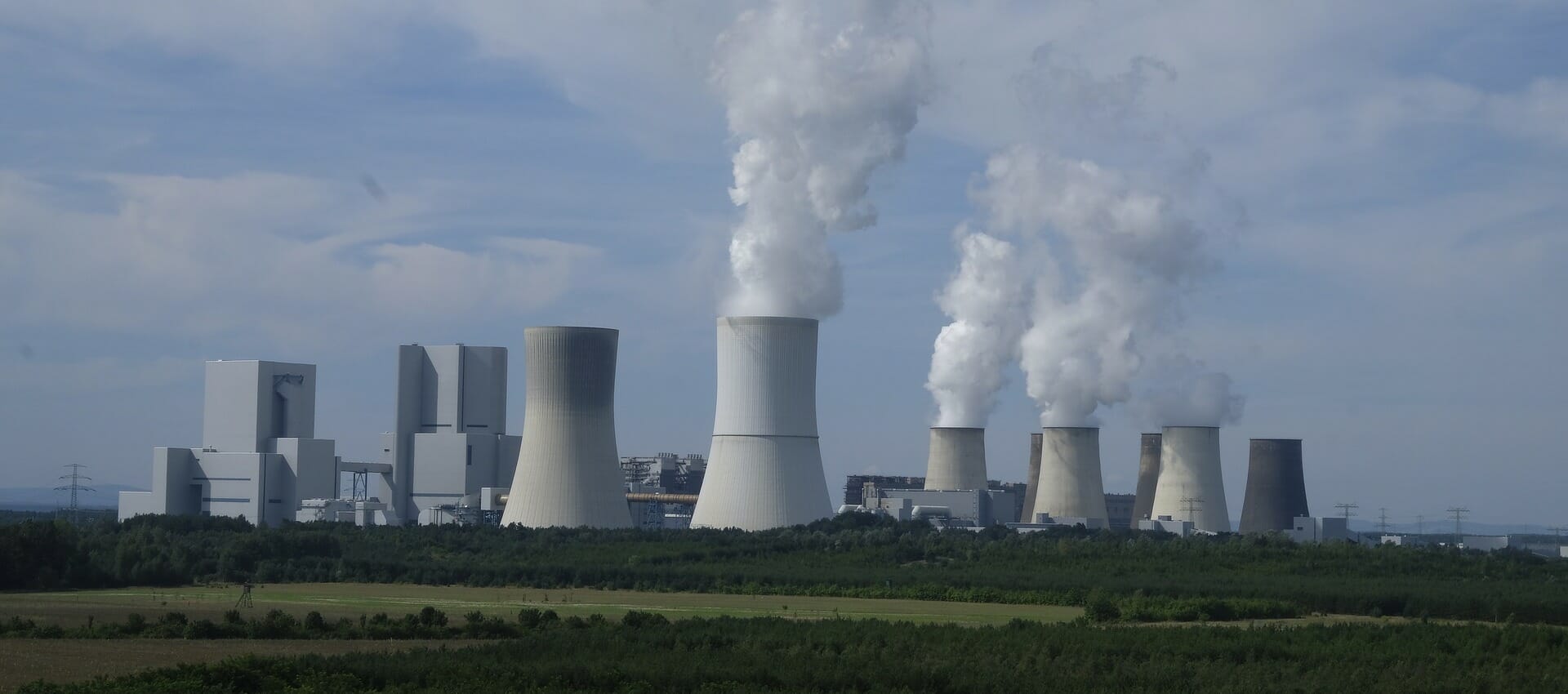
According to a recent poll, most Utahns have moved beyond the old, alarmist, cinema-backed pseudoscience when it comes to nuclear power plants. The dystopian images of past events and science fiction disasters have lost their grip on Utah society.
The Hinckley Institute and Deseret News poll asked the question: “Would you support or oppose a nuclear power plant in Utah?” Only 19 percent of registered voters in Utah were strongly opposed while 65 percent either strongly support or somewhat support it.
Historical Context
The history of nuclear power is a great example of the rough-and-tumble world of innovation. In the course of nearly eighty years, we’ve gone from initial tests out in the middle of the desert or ocean to the creation of small, stable, and safe nuclear power technology. The nuclear accidents of the ‘70s and ‘80s are now long behind us. The days of huge facilities and troublesome amounts of waste are fading.
Technological Context
The technology of small modular reactors and eventual Generation IV reactors bring real solutions for those who want to move away from fossil fuels or have concerns about the reliability of wind and solar. Further investment and innovation is needed in the industry if we are to overcome current and future energy needs. An all-of-the-above approach is most likely to yield the best results for clean and efficient energy sources.
A Balanced Approach
This is not to say that all fear and concern for harm should be cast aside. The proper balance is needed between innovation and safety as we have outlined in the past. With these principles in mind, we can move forward as a society without strangling important innovations like the nuclear energy industry.
Utahns need not fear proposals to build nuclear power plants near or in Utah. Caution is always warranted and healthy, but as most Utahns now agree, it should not override human progress and flourishing carte blanche.