Utah has made significant progress over the past decade in reducing unnecessary occupational licensing barriers. Lawmakers from both parties increasingly recognize that licensing rules can sometimes prevent qualified individuals from working, limit workforce mobility, and raise costs for consumers.
During the 2026 legislative session, lawmakers considered several proposals aimed at modernizing licensing frameworks and ensuring that regulations remain tied to legitimate public safety concerns rather than outdated professional boundaries. Several of those efforts resulted in meaningful improvements to Utah’s licensing system.
Here are the most significant occupational licensing reforms Libertas Institute tracked this session.

✅ Expanding Workforce Opportunities for Veterans
Our biggest priority, SB 90 from Sen. Balderree and Rep. Peterson addresses occupational licensing barriers faced by military service members and veterans. The bill improves the process for recognizing military training and experience when individuals apply for professional licenses in Utah.
Many veterans leave military service with highly specialized skills that translate directly to civilian careers. However, licensing systems often require them to repeat training they have already completed during their service.
Our Take:
Utah should make it as easy as possible for veterans to transition into the civilian workforce. When licensing boards fail to recognize equivalent military training, it delays employment and wastes valuable skills that could otherwise benefit communities and local economies.
SB 90 helps close that gap by creating pathways for veterans and service members to obtain professional licenses based on relevant experience. Removing these barriers strengthens Utah’s workforce while honoring the investment these individuals have already made through their service.
✅ Updating Healthcare Scope-of-Practice Rules
SB 31 from Sen. Vickers and Rep. Kyle makes a series of updates to the scope of practice for several licensed healthcare professions. The bill expands certain authorities for providers and adjusts training and supervision requirements across multiple professions.
Among other changes, the bill allows physical therapists to prescribe durable medical equipment and order additional imaging, allows physical therapist assistants to perform limited joint mobilization, permits advanced practice registered nurses and physician assistants to perform minor surgical procedures for a limited period, and creates a respiratory care apprentice license.
Our Take:
Healthcare licensing laws frequently determine exactly what services qualified professionals are allowed to provide. Over time, those rules can become outdated as training standards evolve and new technologies change how care is delivered.
SB 31 updates several scope-of-practice provisions to better reflect modern healthcare training and practice. Allowing qualified professionals to practice to the full extent of their training can improve access to care while maintaining appropriate safety standards.
✅ Creating a Process to Review Healthcare Innovation
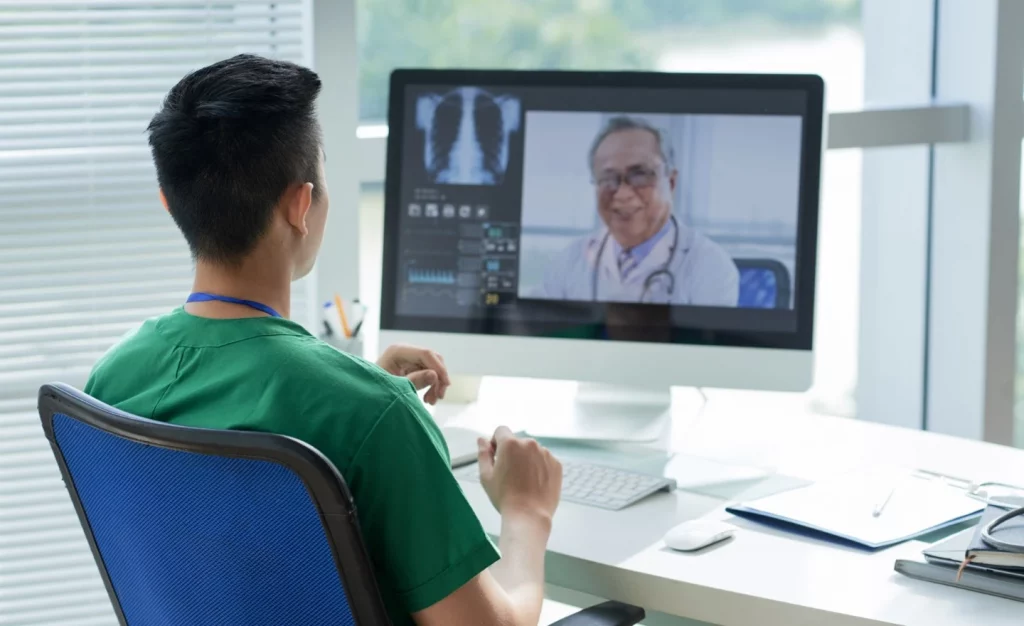
SB 150 from Sen. Vickers and Rep. Dunnigan establishes a formal process for reviewing whether new technologies or innovations should be incorporated into the scope of practice for regulated healthcare professions.
The bill directs the Office of Professional Licensure Review to conduct a scope-of-practice review when requested by legislators or qualified stakeholders. The office must evaluate whether a new technology could improve healthcare access, outcomes, or affordability and produce a report with recommendations for lawmakers.
Our Take:
Healthcare technology evolves rapidly, but licensing laws often struggle to keep pace. When regulations fail to adapt, patients and providers can face unnecessary barriers to using new tools that could improve care.
SB 150 creates a structured process for evaluating how innovations should be incorporated into existing professional practice. That kind of review helps ensure that Utah’s licensing framework can adapt as new technologies emerge while still maintaining appropriate oversight.
👀 Looking Forward: Continuing Licensing Reform
Occupational licensing reform rarely happens all at once. Instead, it tends to move forward incrementally as policymakers examine specific barriers and modernize individual licensing frameworks.
The 2026 legislative session demonstrated that Utah remains open to these kinds of improvements. Measures like SB 90, SB 31, and SB 150 represent practical steps toward a licensing system that recognizes real-world experience, adapts to innovation, and removes unnecessary barriers to employment.
As Utah continues evaluating licensing laws in the years ahead, policymakers will have opportunities to build on this progress and ensure that the state’s regulatory system encourages opportunity, innovation, and economic mobility.