When Urban Camping Ordinances Miss the Point

In the News

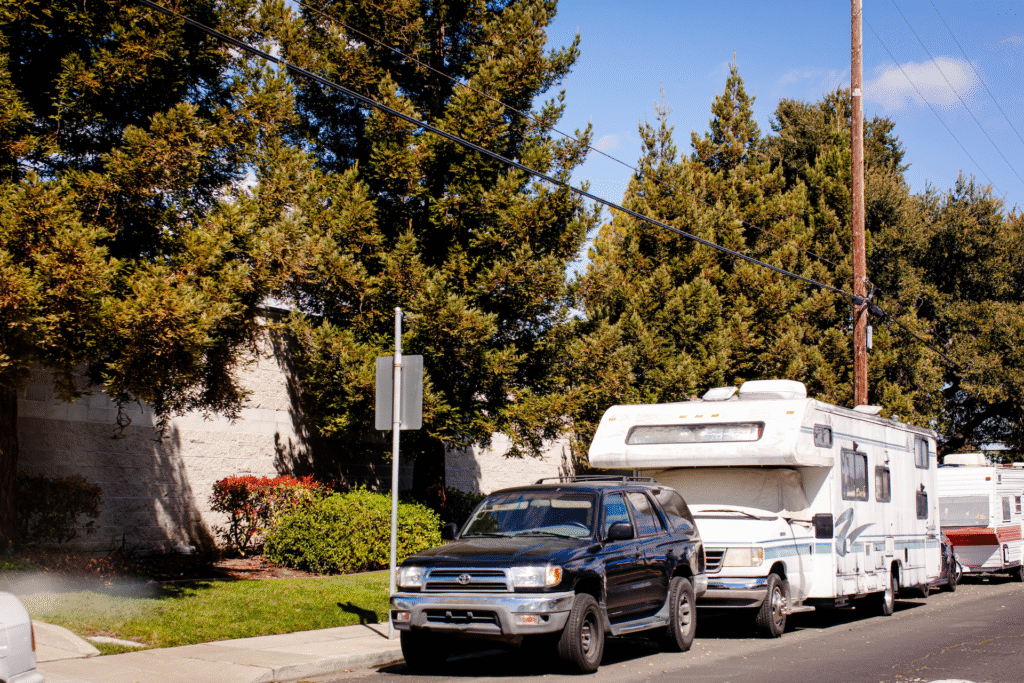
The Salt Lake Tribune reported on fierce backlash against Salt Lake City’s proposed camping ordinance expansion, which would ban sleeping overnight in vehicles on public property. The debate captures a tension cities across Utah are navigating as they try to address genuine public disorder without overcriminalizing the people caught up in it. 
Here’s My Take

Drug use, harassment, and obstruction are already illegal, and no camping ordinance removes those behaviors from public spaces. What overbroad ordinances do instead is add citations to write, cases to process, and people to cycle through an already strained system. When I helped draft Provo’s camping ordinance at the City Attorney’s office, that was always the core question: does this tool address the harm, or just the person? I’d already seen it from the other side, having lived out of my own truck while interning at the Washington County Attorney’s Office. I wasn’t harming or bothering anyone, but a criminal charge for trying to save money would have derailed my future career.

Broad laws give broad discretion. The hope is always that enforcement will stay narrow and targeted, but after a decade in prosecution, I can tell you that what the law captures, the law eventually charges—regardless of original intent.

Closing

Public disorder concerns are real, and residents deserve effective responses. But overcriminalization is at its most counterproductive reaches people not causing harm while leaving the underlying disorder untouched. The criminal code should not be used as a substitute for thoughtful public safety policy.

Libertas is constantly working to find and promote solutions that address genuine disorder without broadly criminalizing victimless conduct.

Author Profile Image
About the author

Josh Nemeth

Josh Nemeth is the Criminal Justice Policy Analyst at Libertas Institute. Before joining Libertas, he spent a decade in criminal prosecution between Utah and Montana, most recently as a Special Victims Unit prosecutor for Cache County. He also works as a criminal defense attorney, giving him experience on both sides of Utah’s criminal justice system. That background informs his commitment to criminal justice reform grounded in limited government and individual liberty, with practical solutions that protect public safety. Josh holds a J.D. from BYU’s J. Reuben Clark Law School and degrees in business. A father of four, he lives in rural Cache County with his wife and children.

Share Post:

Fighting for a Future Where Individuals Are Fully Liberated to Pursue Their Dreams, Free from Coercion and Control.

You Might Also Like

Utah's top 25% most-arrested homeless individuals cost Salt Lake City $51 million annually in shelter, police, court, and medical expenses. As lawmakers pour another $45.6 million into the system, organizations like The Other Side Village are already breaking the cycle through sobriety, accountability, and employment, without taxpayer funding. The data makes the case: expanding a broken system isn't the answer.
No, rent control doesn't work as supporters believe. Rather it treat symptoms while suppressing the signals that prompt more building, and lower costs.
A Twitch streamer made the moral case for stealing from corporations on the New York Times' podcast. As a former prosecutor, here's why that argument gets justice exactly backwards, and why the real victims are never corporations.

Help us Nail and Scale Policies to Reduce Government Control

Your tax-deductible contributions to Libertas Institute increase freedom across the country.