In the News
Jeff Bezos thinks schools could be run more efficiently. In an interview last month he said, “If we ran Amazon the way New York City runs their school system – your packages would take six weeks to arrive.”
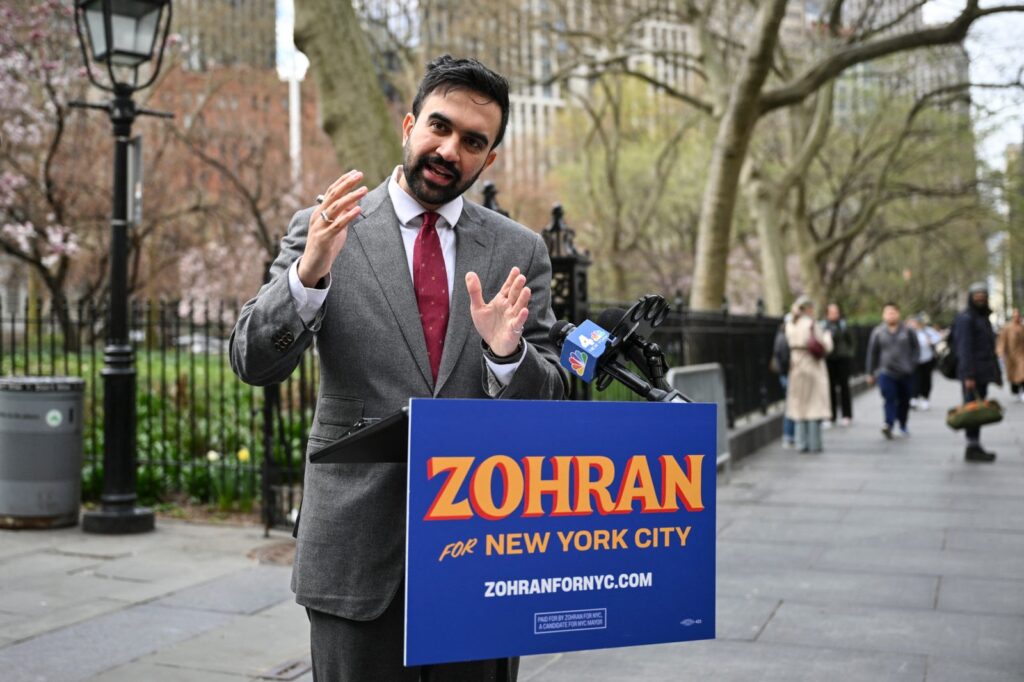
This was in response to New York Mayor Zohran Mamdani dumping $43 billion into New York City’s public school system.
Here’s My Take
Bezos is not wrong. New York City spends $39,304 per student. One of the highest in the country. Meanwhile, their students struggle to reach proficiency on the Nation’s Report Card tests. Only 31% of students are proficient in reading and 26% are proficient in math.
New York State’s assessment lets us compare New York district schools directly with the charter schools in the city. Black and Hispanic students are twice as likely to be proficient in charter schools as in their local public school. Students with disabilities are also more likely to succeed in charter schools than in a NYC public school.
In the meantime, NYC is spending $1.3 billion on private school tuition for students with disabilities because the district failed to meet their needs. That’s about $102,000 per student.
Yet New York restricts the number of charter schools in the city in spite of high demand. National tests show public schools work for about 30% of students. Many families want something different. The law won’t let them.
Closing
New York City works hard to restrict parental choice. That costs money. Letting charter schools grow would save taxpayers billions. A school choice option for special education students would save more. School choice isn’t for the rich. It’s for the 70% the system leaves behind.
I break it all down in New York’s State Education Report Card.