
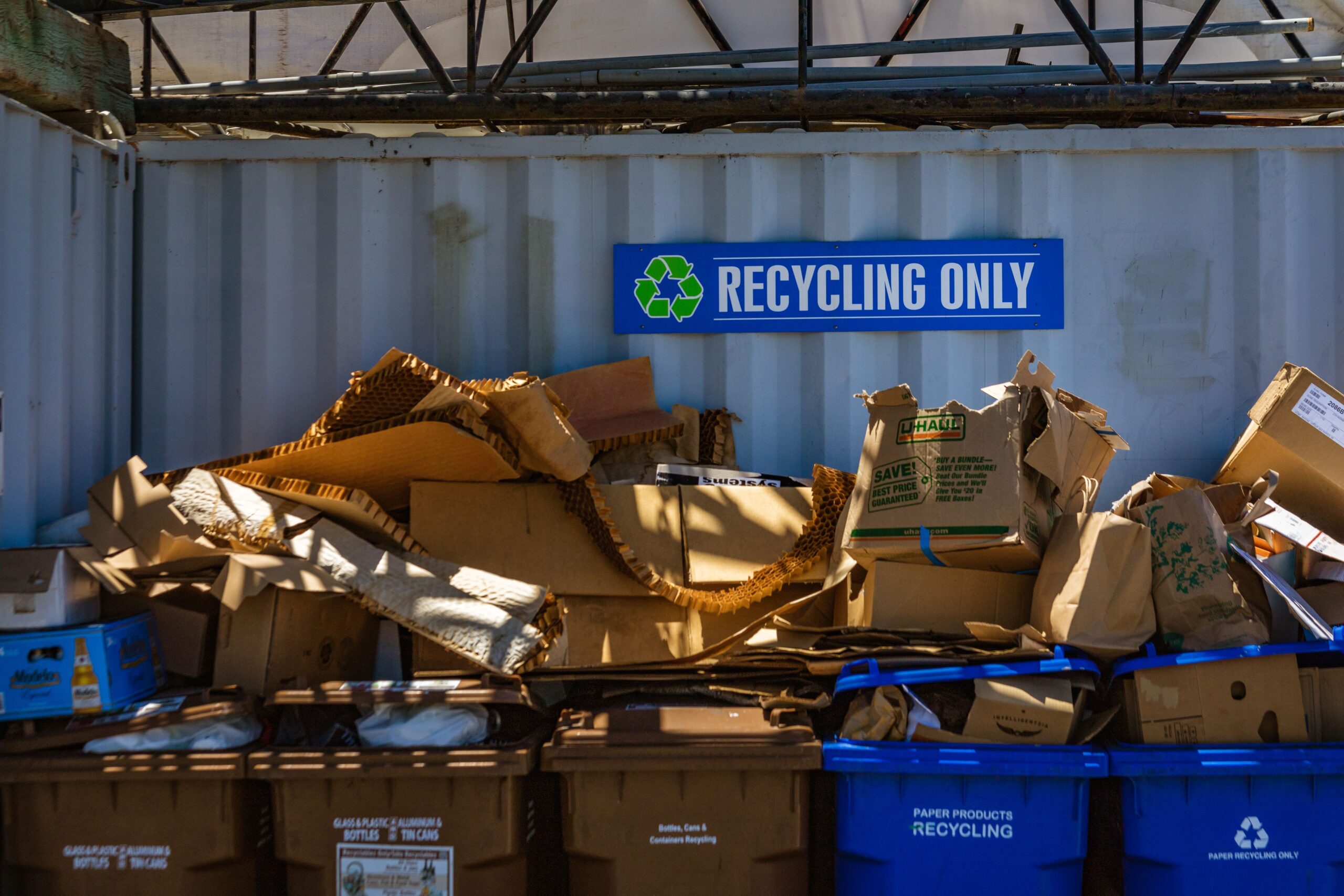
Regulators do not have a crystal ball. When they come up with a regulation in the present, they may not understand how the domain affected by that regulation may evolve in the future. This is exactly what has happened with the recycling industry, which is why U.S. Senator John Curtis (R-UT) recently introduced the Recycled Materials Attribution Act (RMAA) of 2026 in the Senate.
This bill would establish a national framework for recycled content marketing claims. Such a framework would not only provide definitions that are more up-to-date than those found in some state regulations, but also simplify compliance for recycling companies. While part of the beauty of the United States is that we have 50 different state legislative environments with varying levels of regulation, a patchwork of contradictory rules can make it difficult for businesses to operate across state lines.
AI regulation is a perfect example of this. As of early 2026, more than 1,500 state-level legislative proposals related to AI had been introduced. A consistent federal framework could make it significantly easier for technology companies to scale their products and operate efficiently across the country.
The production process for many products is complex and requires a variety of different materials. One of the benefits of the RMAA is its recognition of “mass balance accounting,” which allows companies to track recycled materials as they are mixed with virgin materials during production and attribute recycled content to their finished products.
To put it simply, imagine that a bakery makes 100 cakes using a mixture of 10 percent recycled chocolate chip cookies and 90 percent new ingredients. Rather than having to prove that each individual cake contains exactly 10 percent recycled material, the bakery could use mass balance accounting to track the recycled ingredients and allocate that recycled content across its cakes. In other words, the recycled content attributed to a particular cake would not necessarily reflect the amount physically present in it.
By modernizing the definition of recycled materials, the bill would allow companies to engage in more advanced forms of recycling and receive recognition for doing so. It could also encourage companies to advertise their recycled products with greater confidence that their claims meet established standards.
Legislators may not be able to predict the future and craft regulations perfectly tailored to technologies that have yet to emerge, but at a minimum, they should ensure that existing regulations keep pace with technological advancements. The RMAA is an example of an effort to do exactly that.