Microschools Are Popular

Few political issues enjoy support from both Republicans and Democrats. Microschools are one of them. These small community schools typically serve about 25 students. Think private school, but with a single classroom.
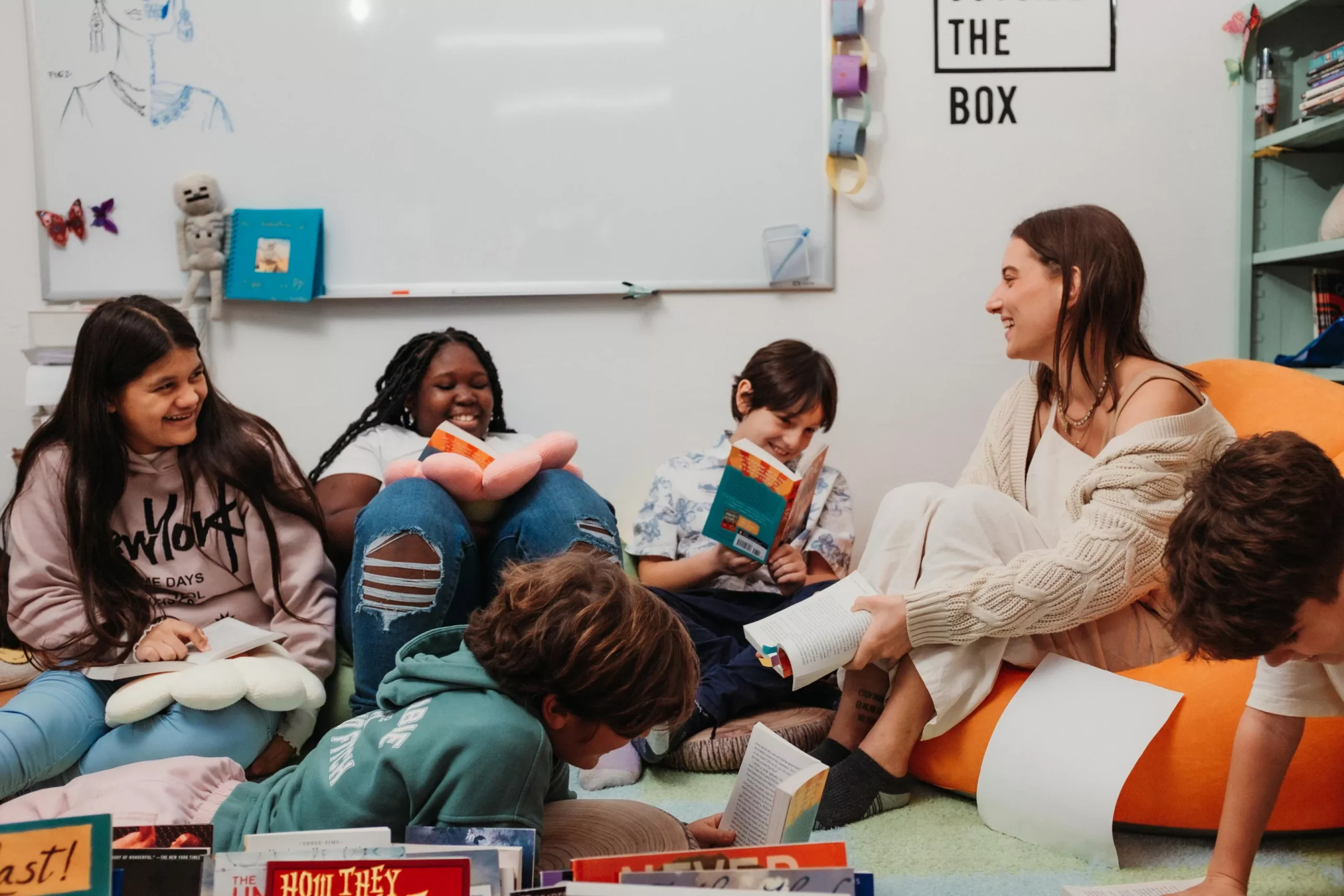
A recent poll found that 75% of Americans would support the opening of a microschool in their neighborhood. And support crosses party lines: 80% of Republicans, 70% of Democrats, and 76% of Independents said they would support such a school. In politics, you don’t find many sure bets. This is one of them.

Yet, despite this broad support, many neighborhood schools cannot open due to restrictive city and state zoning and building codes. Utah stands out as an exception, passing a law that allows these schools in every zone. But in most states, these schools are still blocked. One microschool founder was even told that these types of schools “simply aren’t allowed” in their city.

Lawmakers in other states should follow Utah’s lead and remove the barriers that prevent teachers and families from starting small, local schools. With three out of four Americans supporting this reform, it’s an easy win. Expanding access to these neighborhood schools is both popular and practical.

State leaders have a rare opportunity to act on an issue with overwhelming bipartisan support and give families more freedom to choose the education that best suits them.

Author Profile Image
About the author

Jon England

Jon is the Senior Education Policy Analyst at Libertas Institute. He is a fourteen-year veteran of public schools. He taught both fifth and sixth grades, receiving Weber District’s E+ Team Award. He proudly homeschools his children with his wife. Jon received his bachelor’s degree in elementary education from the University of Utah and a master’s degree in educational leadership from Western Governors University. He spent time in the Marine Corps and separated as a sergeant in 2006. During his time in public schools, Jon increasingly understood the importance of parental empowerment in education. This increased understanding led him to join Libertas to provide educational freedom for families. Jon enjoys spending time with his wife and five children traveling, skiing, and playing games.

Share Post:

Fighting for a Future Where Individuals Are Fully Liberated to Pursue Their Dreams, Free from Coercion and Control.

You Might Also Like

Utah's top 25% most-arrested homeless individuals cost Salt Lake City $51 million annually in shelter, police, court, and medical expenses. As lawmakers pour another $45.6 million into the system, organizations like The Other Side Village are already breaking the cycle through sobriety, accountability, and employment, without taxpayer funding. The data makes the case: expanding a broken system isn't the answer.
No, rent control doesn't work as supporters believe. Rather it treat symptoms while suppressing the signals that prompt more building, and lower costs.
A Twitch streamer made the moral case for stealing from corporations on the New York Times' podcast. As a former prosecutor, here's why that argument gets justice exactly backwards, and why the real victims are never corporations.

Help us Nail and Scale Policies to Reduce Government Control

Your tax-deductible contributions to Libertas Institute increase freedom across the country.