It is now easier to start a microschool in Utah.
Prior to this year, microschools had to contend with confusing regulations. Cities weren’t sure how to accommodate school founders. This confusion often led to delays and expensive renovations and permits.
Now, with the passage of Senate Bill 13 from Senator Fillmore, the process for starting a microschool has been clarified and the regulations have been reduced. This bill did two very important things.
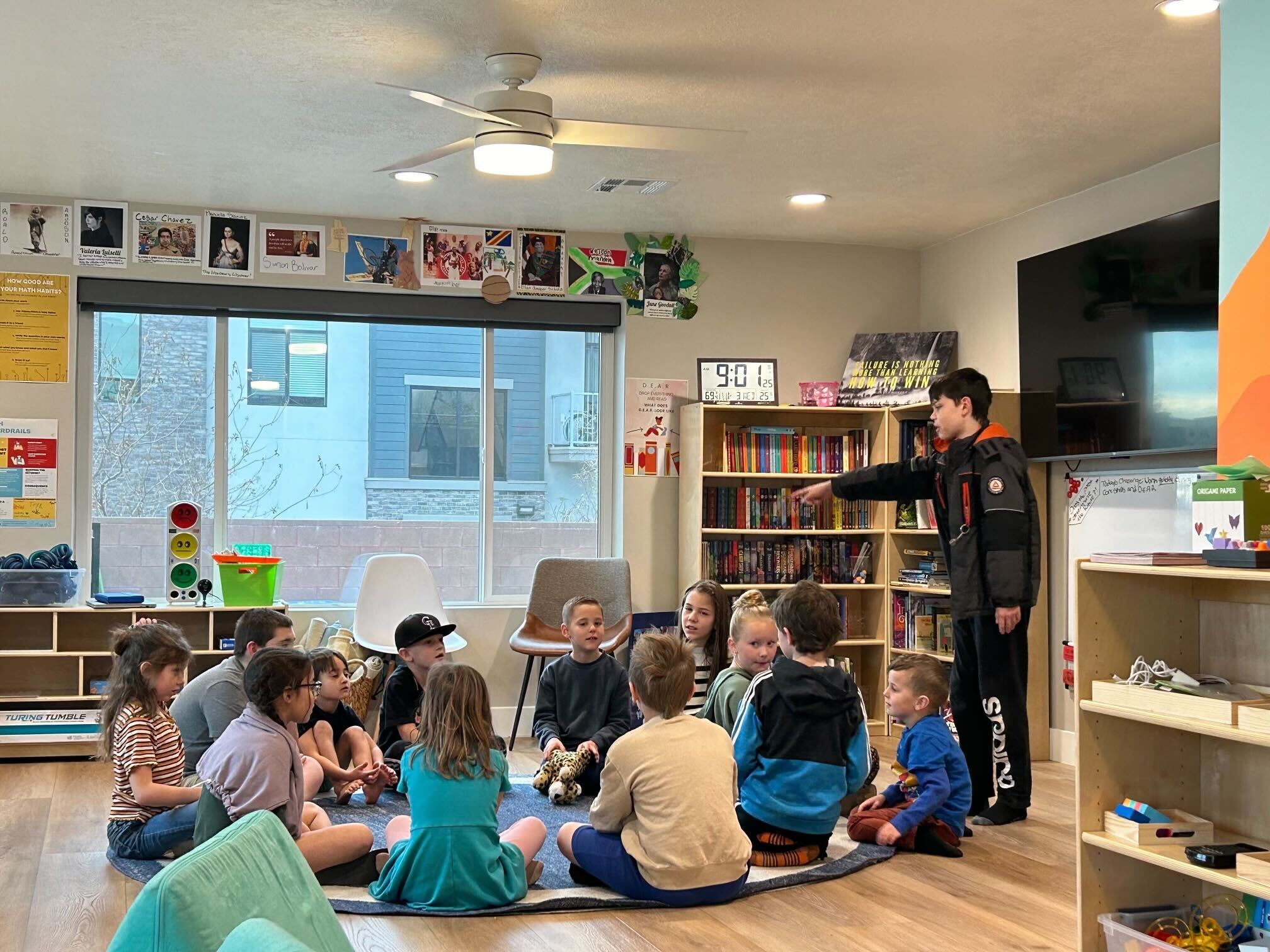
First, it permits microschools in all zones. Microschools were typically relegated to commercial properties in busy areas that were not conducive to learning. Now microschools can be in the same zones as public and charter schools. Many cities and counties would not allow these schools in residential or agricultural areas. Now they are permitted everywhere.
Second, Senate Bill 13 reduces the building occupancy. Building occupancy laws govern how a building should be constructed. Because microschools were only permitted in commercial parts of a city, the founders would have to renovate the space to the more restrictive education occupancy standards. Parents regularly send their children to commercial buildings for dance classes, karate lessons, tutoring centers, and similar activities. Microschools are also perfectly safe in these types of buildings too.
By removing these barriers, Utah can continue to grow its thriving and diverse learning environment. Teachers and parents are now free to create the education that works best for their children.