
The “gig economy” is on the rise, as people pursue flexible employment options that allow them to be their own boss. But there’s a downside to this approach: the lack of benefits.
To remedy this issue, we developed legislation to offer a pathway for independent contractors and gig workers to access affordable coverage options by clarifying that voluntary contributions from hiring parties will not create an employment relationship.
Portable benefits plans act like an insurance product where gig workers pay premiums in exchange for coverage. These plans often offer health insurance, but they could also include disability insurance, income replacement, dental insurance, automotive insurance, and more.
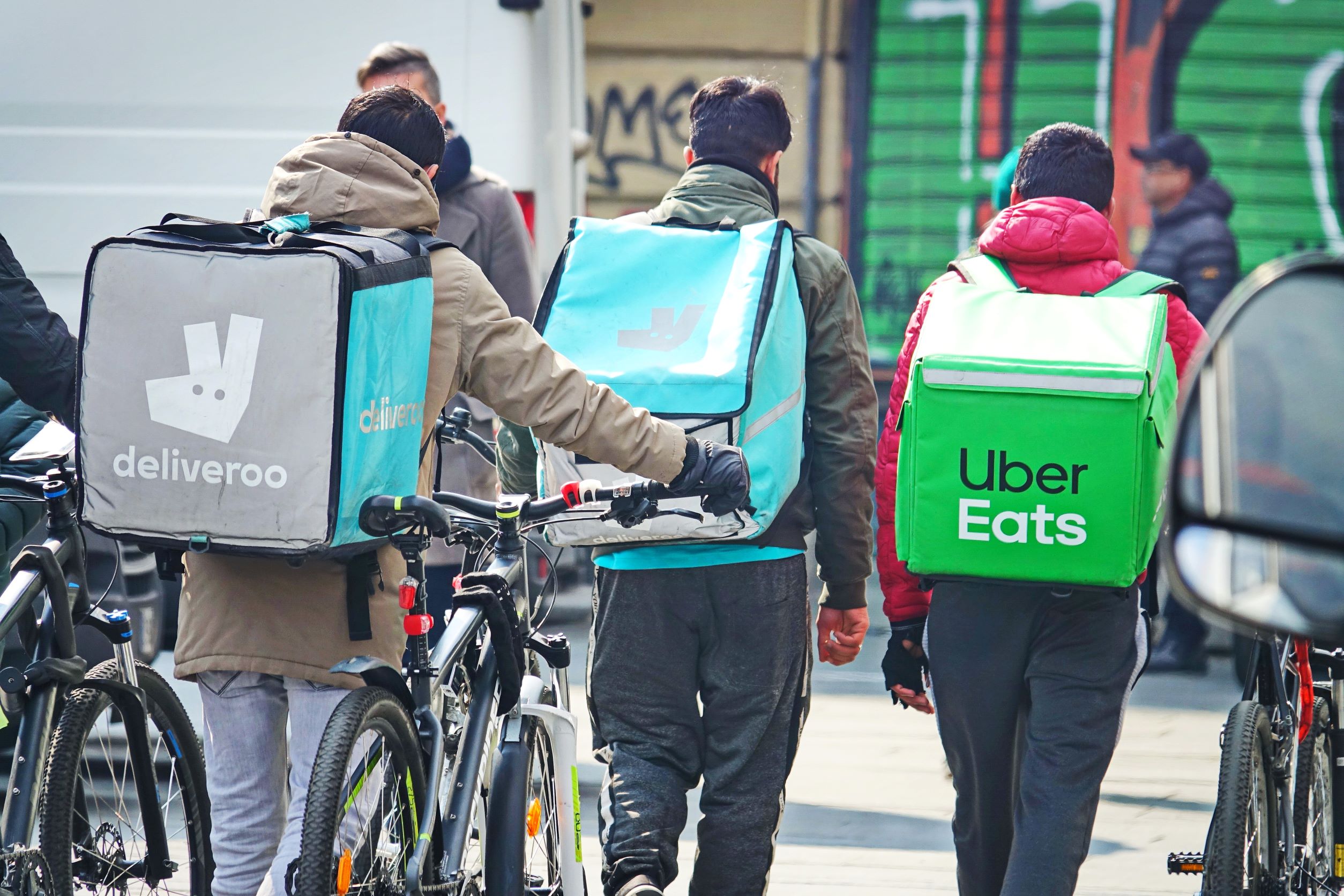
Even more relevant than the type of insurance they provide, however, is the way they are set up to benefit workers. Instead of spreading out risk by pooling workers with others within a company, these plans simply spread out risk by grouping independent contractors and gig workers together. What this means, practically, is that coverage isn’t tied to a worker’s employer in the traditional way coverage is offered today.
Our proposal expanded on this concept, allowing gig economy platforms and other hiring parties to offer full or matching contributions to portable benefit plans, significantly lowering the cost of coverage for workers.
While state solutions like this are only one of several necessary reforms to improve the lives of independent contractors and gig workers, this bill put Utah on the cutting edge of labor law. Our model is now an example of the right path forward for other states and the federal government as we embrace a future of work that is flexible and worker-centric.