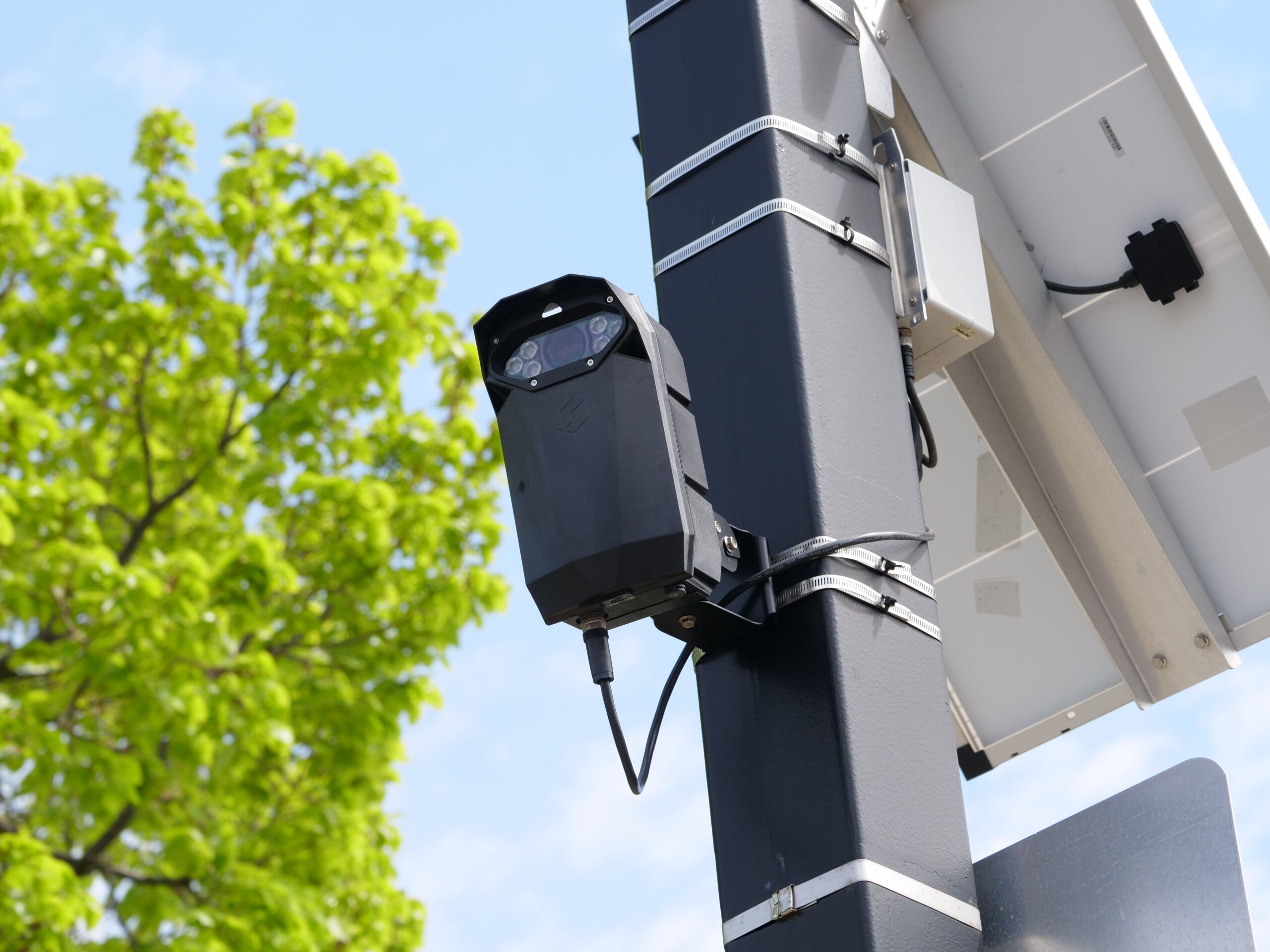
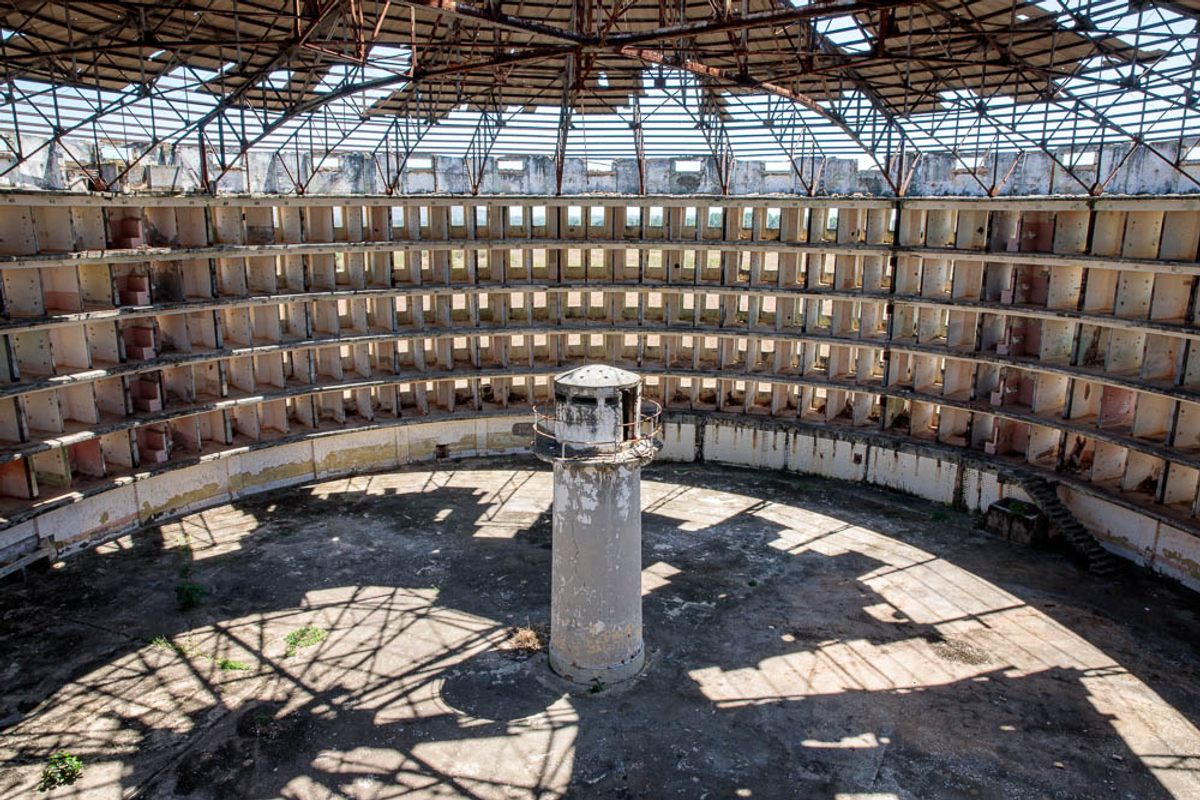
surveillance

The bigger question to consider, especially as technology advances, is whether we want to live in a surveillance state at all. Our civil liberties should not change just because technology evolves and law enforcement has new tools. 
HB 491 creates a Privacy Ombudsman, elevates the Personal Privacy Oversight Committee (renaming it the Utah Privacy Commission), brings teeth with a Utah Privacy Governing Board that includes important elected officials, and moves government entities to not only comply with the laws that already exist, but raise the standards by 2027.
HB 553 proposes to restrict reverse-keyword searches, thus backing the liberties of Utah's citizens while still empowering law enforcement to fulfill their responsibilities by codifying a keyword search that has the backing of probable cause, including particularized suspicion of an individual or device.
This bill sets clear definitions and restrictions on government agencies' use of surveillance. It also provides sensible exemptions and technical adjustments to ensure that the law keeps pace with technological advancements.
Fortunately, there are state lawmakers who are diligently working to erect digital safeguards to protect citizens from undue intrusion by government agencies.
Massive data collection and advanced surveillance technology enables government eyes to be in more places than ever before. But privacy matters.

Help us Nail and Scale Policies to Reduce Government Control

Your tax-deductible contributions to Libertas Institute increase freedom across the country.