
The Treasure State, a state known for its natural beauty and dark skies, just made a strong move on innovation.
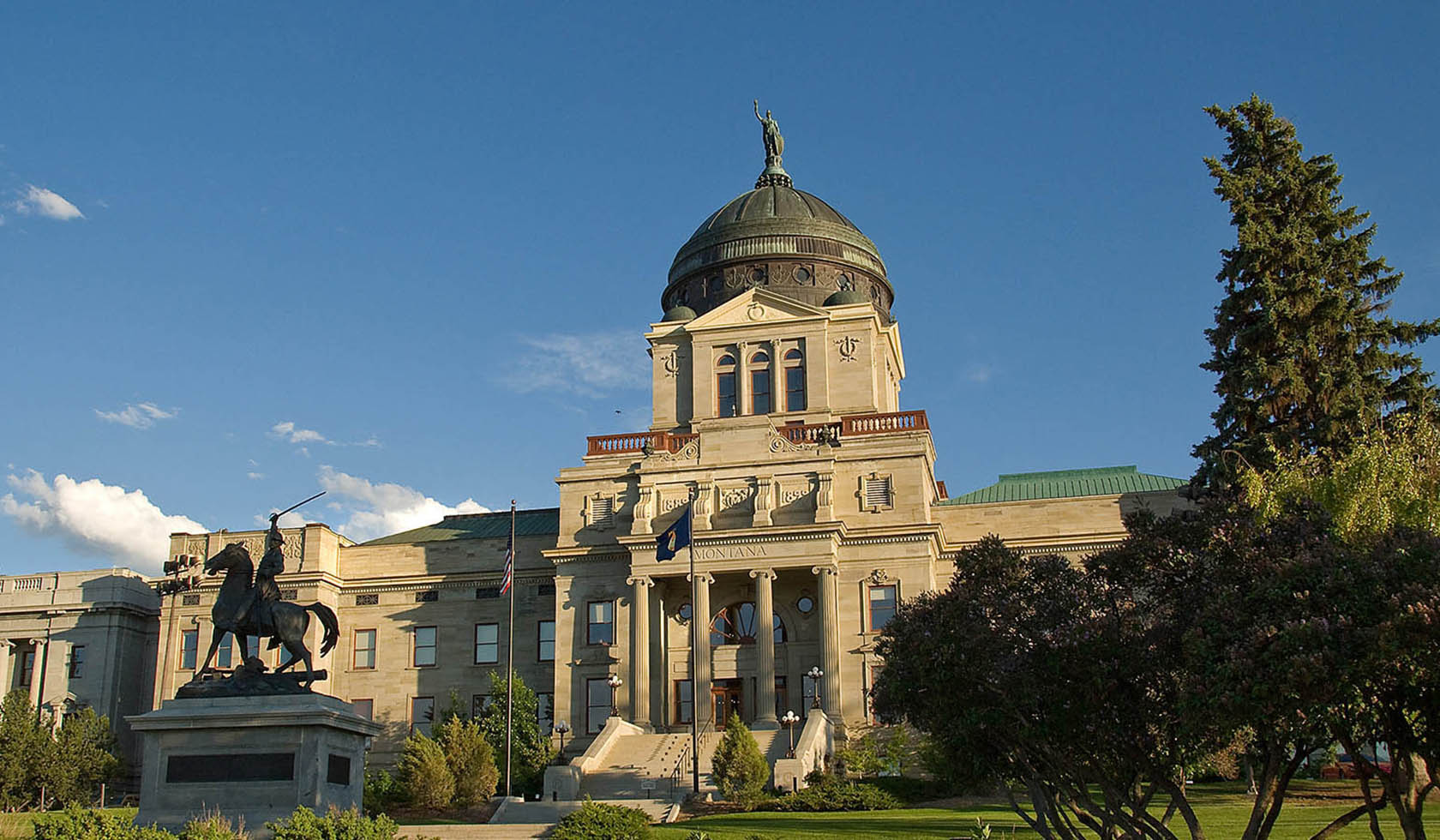
After considering a similar proposal in 2021, Representative Katie Zolnikov introduced House Bill 836, which established the state’s first regulatory sandbox and targeted insurance.
What is a Regulatory Sandbox?
A regulatory sandbox allows businesses, under the observation of regulators, to develop and offer new products, services, and business models while receiving a temporary waiver of regulations inapplicable to their innovative ideas.
The sandbox:
- allows a company to temporarily offer its products and services in a controlled environment for up to six years;
- requires that the company remain transparent to the consumers in an effort to inform them of the services they are exploring;
- provides a process for entering into and exiting from the sandbox so consumers aren’t left high and dry;
- establishes the insurance sandbox in the Montana Commissioner of Securities and Insurance’s Office.
If the trial is a success, the sandbox offers a path forward for the company to legitimately enter the open market while also providing guidance to the insurance department on which regulations require reform or even repeal.
What Else Can Regulatory Sandboxes Do?
The sandbox doesn’t just benefit new companies, but also existing ones. By providing businesses—both big and small, old and new—the opportunity to innovate in the insurance space, it’ll be interesting to see what “next big thing” will come as a result of Montana’s insurance sandbox.
Frontier Institute proved instrumental in getting House Bill 836 through their legislature with overwhelming support before receiving Governor Greg Gianforte’s signature. Montana now joins thirteen other states that have created sandboxes of their own.
Regulatory sandboxes are an issue that Libertas Institute has researched extensively, and we stand ready to help your state pursue this reform opportunity as we have with Montana. For groups or legislators in other states looking to work on the issue, we’d love to help!